





What's Happening?
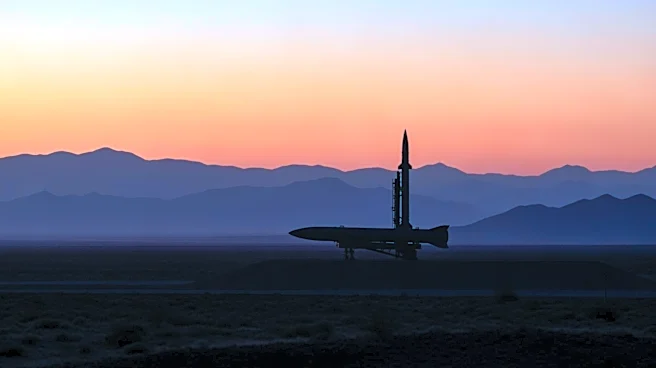
President Trump is weighing two options regarding Iran: a limited military strike or a temporary agreement to reopen the Strait of Hormuz. The decision comes amid differing views between the U.S. and Israel, with Israel favoring broader strikes on Iran's
energy infrastructure. However, President Trump is reportedly reluctant to fully renew hostilities, as it could complicate domestic issues, including rising gas prices. A temporary agreement would allow for continued negotiations without resolving all disputes. Meanwhile, Qatar is mediating behind the scenes to improve the Iranian proposal for a potential agreement.
Why It's Important?
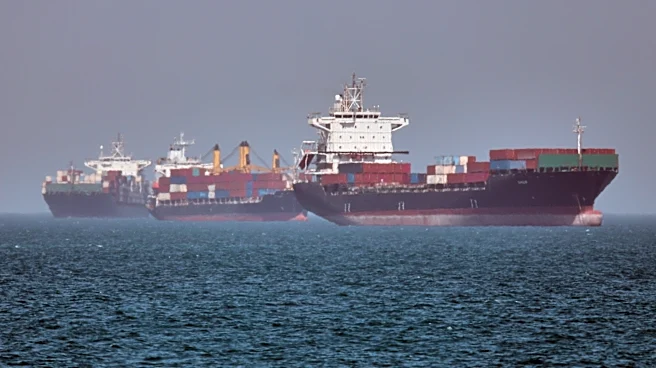
The situation is critical as it involves the strategic Strait of Hormuz, a vital passage for global oil shipments. A military strike could escalate tensions in the region, affecting global oil prices and economic stability. Conversely, a temporary deal could provide a diplomatic path forward, reducing immediate tensions. The U.S. decision will have significant implications for its foreign policy and relations with Middle Eastern allies, particularly Israel, which prefers a more aggressive approach. The outcome could also impact President Trump's domestic standing, given the potential economic repercussions.
What's Next?
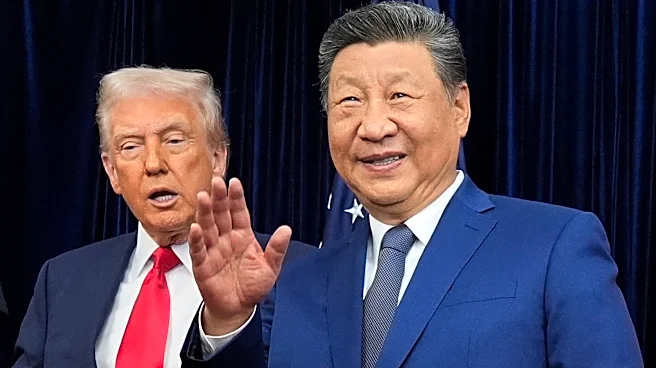
President Trump is expected to make a decision after returning from a visit to China. The U.S. may opt for a limited military operation while maintaining the blockade of Hormuz, potentially asking Israel to refrain from intervening. If Iran retaliates, it could lead to a broader conflict involving regional powers. The ongoing mediation efforts by Qatar could lead to a revised Iranian proposal, offering a diplomatic resolution. The situation remains fluid, with potential for both escalation and de-escalation depending on the decisions made by the involved parties.