




What's Happening?
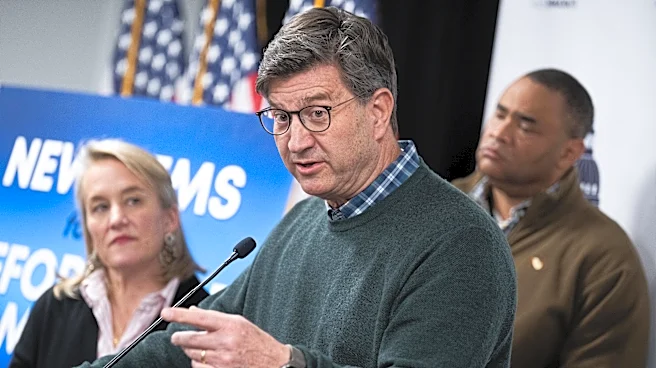
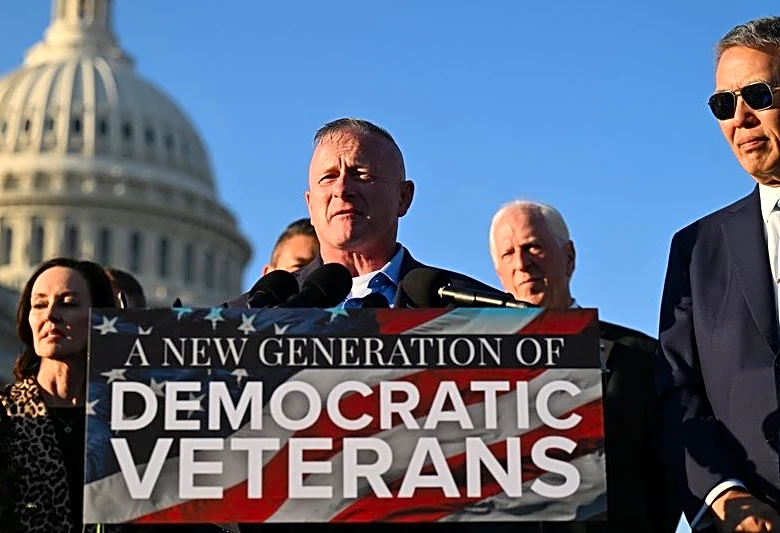
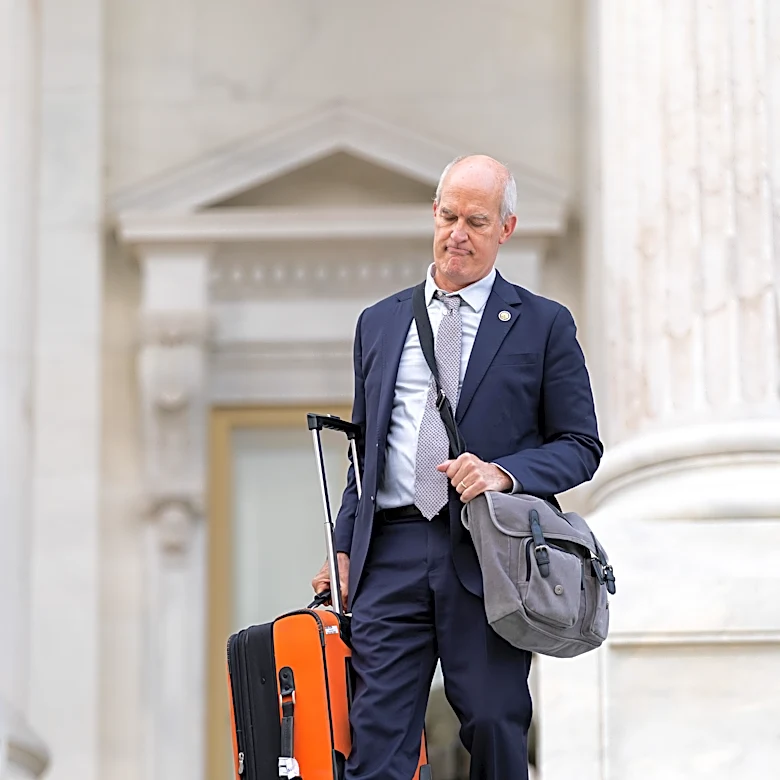
Representative William Keating, a Democrat from Massachusetts, has played a pivotal role in advancing legislation that mandates updates to the Chaplains Hill monuments at Arlington National Cemetery. This legislative effort, assisted by Representative Jack
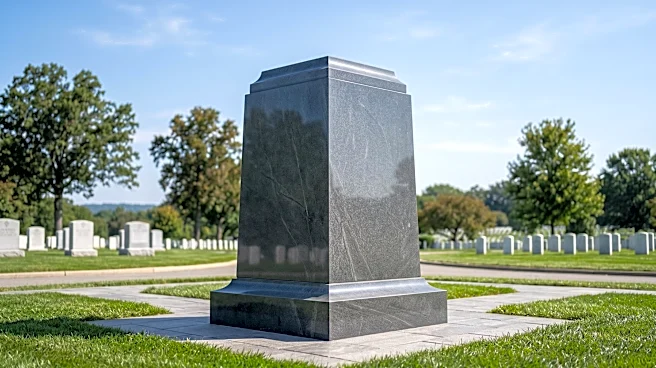
Bergman and others, became part of the Fiscal Year 2026 National Defense Authorization Act, enacted in December 2025. Previously, congressional provisions had only authorized the Secretary of the Army to approve such updates, but did not require them. The new language specifically directs that the monuments be updated and that eligible chaplains be appropriately recognized. This development follows years of research and advocacy by the National Conference on Ministry to the Armed Forces (NCMAF) to address omissions and update the Protestant Chaplains Monument, which had not recognized chaplains who died in service after 1945. The project also aims to replace the existing concrete structure with granite for durability and visual harmony with other monuments.
Why It's Important?
This legislative action is significant as it transforms a permissive authority into a direct mandate, ensuring that military chaplains who made the ultimate sacrifice are properly honored. The Chaplains Hill monuments serve as a permanent memorial within Arlington National Cemetery, and their accurate and complete representation is crucial for preserving the legacy of service and sacrifice. The bipartisan support for this initiative, involving members from both political parties and chambers of Congress, underscores the national importance of recognizing military personnel. For the families of chaplains whose names were previously omitted, this mandate provides a long-awaited acknowledgment. It also sets a precedent for how historical omissions in national memorials can be addressed through direct legislative intervention, particularly when administrative approvals face setbacks. The project's evolution from merely adding names to preserving and renewing Chaplains Hill itself highlights a broader commitment to maintaining the integrity and historical accuracy of national monuments.
What's Next?
Following the enactment of the Fiscal Year 2026 National Defense Authorization Act, the National Conference on Ministry to the Armed Forces (NCMAF) continues to collaborate with the Army to refine the project and finalize the names to be included on the updated monuments. The lists supplied by the Chiefs of Chaplains have been reviewed, and an additional rabbi has been added to the proposal. The next steps will involve the physical implementation of the updates, including the replacement of the concrete Protestant monument with granite and the engraving of additional names. This process will ensure that the congressional mandate is fulfilled and that the chaplains who died in service are remembered by name. The successful completion of this project will mark the culmination of nearly two decades of dedicated effort by various individuals and organizations, including veterans' groups, faith communities, and government agencies.
Beyond the Headlines
The Chaplains Hill Monuments Project transcends the mere addition of names to a memorial; it delves into the ethical and cultural dimensions of national memory and recognition. The initial discovery of a missing Jewish chaplain's name in 2008, and the subsequent realization of omissions on the Protestant monument, highlight the ongoing need for vigilance in ensuring that national memorials accurately reflect historical contributions. The persistence required to navigate administrative hurdles and secure direct legislative action underscores the challenges inherent in updating historical records and monuments. This effort also reflects a broader societal value placed on honoring those who serve, particularly in roles that combine spiritual guidance with military duty. The bipartisan nature of the support for this project suggests a shared national commitment to these values, transcending political divides when it comes to commemorating military service and sacrifice. The project's emphasis on preserving a legacy of service and sacrifice ensures that future generations will have a complete and accurate understanding of the contributions of military chaplains.