







What's Happening?
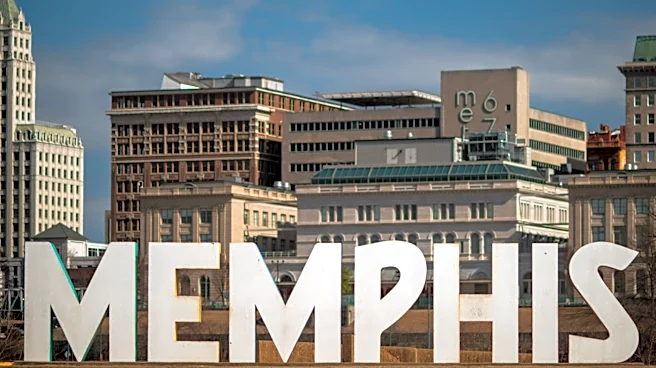
Eppenetus Washington McIntosh, a veteran of the 14th Illinois Infantry, was among the Union prisoners of war who endured the catastrophic Sultana steamboat disaster on April 27, 1865. McIntosh, who had been confined in Andersonville prison, was accidentally
left behind in Memphis after disembarking from another steamer, leading him to board the ill-fated Sultana. When the boilers exploded, he was thrown into the Mississippi River, where he struggled to survive amidst the chaos and drowning victims. He managed to float on pieces of wood and was eventually rescued, taken to Overton Hospital in Memphis. McIntosh believed the prolonged exposure to cold water helped cleanse his scurvy ulcers, potentially saving his feet from amputation. After his discharge in June 1865, McIntosh, who never fully regained the strength for manual labor, became a Methodist Episcopal minister, musician, and lecturer, frequently speaking about his wartime experiences. He remained active in veterans' organizations and the Sultana Survivors Association for decades.
Why It's Important?
The story of Eppenetus Washington McIntosh provides a poignant individual perspective on the human cost and long-term impact of the Civil War and its aftermath, particularly the Sultana disaster, which remains the deadliest maritime disaster in American history. His survival and subsequent life as a minister and public speaker highlight the resilience and adaptation of veterans returning from war. McIntosh's struggle with his health, including Parkinson's disease in old age, and the strain his travels placed on his family life, leading to estrangement, underscore the profound and often overlooked personal sacrifices and challenges faced by those who served. His active participation in veterans' organizations also illustrates the critical role these groups played in providing community and support for former soldiers, helping to preserve the memory of their experiences and advocate for their needs in post-Civil War America.
What's Next?
While McIntosh's personal narrative concluded with his death in 1927, his story, along with those of other Sultana survivors, continues to be preserved and shared through institutions like the Sultana Disaster Museum. The ongoing efforts to document and display artifacts and personal accounts related to the disaster ensure that future generations can learn about this significant, yet often overshadowed, event in American history. The museum's work, including the collection of images and narratives, contributes to a deeper understanding of the Civil War's impact on individuals and the challenges of post-war recovery and remembrance. This continuous historical preservation serves to honor the memory of those who perished and those who survived, ensuring their experiences are not forgotten.
Beyond the Headlines
McIntosh's experience on the Sultana, particularly his belief that the cold water helped his scurvy, offers a unique, albeit anecdotal, insight into the medical challenges and improvised treatments of the era. His post-war life as a minister and lecturer, despite his physical ailments, speaks to the profound psychological and spiritual transformations many veterans underwent, often finding new purpose in service or advocacy. The estrangement from his family due to his travels also sheds light on the often-unseen personal costs of public life and the difficulties of reintegrating into civilian society after traumatic experiences. His story, alongside others from the Sultana, contributes to a broader understanding of how historical events shape individual lives and the collective memory of a nation, emphasizing the importance of personal narratives in enriching historical records beyond official accounts.