





What's Happening?
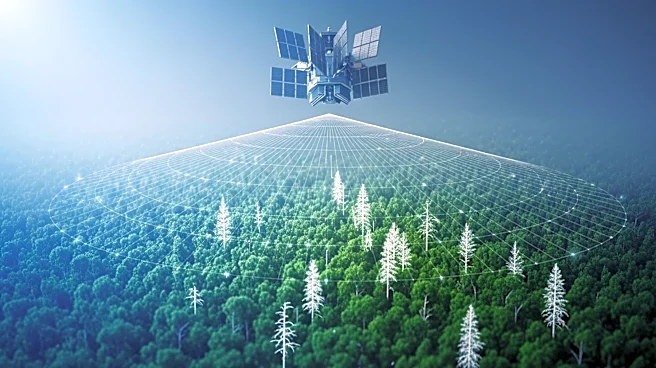
NASA scientists have developed a new method for tracking tropical forest loss that provides deforestation alerts more than three months faster than current methods. This innovative approach combines data from multiple Earth-observing satellites, including
the newly launched NISAR (NASA-ISRO Synthetic Aperture Radar) satellite, which provides comprehensive L-band SAR data. The system, led by Africa Flores-Anderson at NASA's Marshall Space Flight Center, integrates optical images from satellites like Landsat with radar data to overcome the limitations of cloud cover in tropical regions. This method allows for more accurate and timely detection of deforestation, crucial for managing and conserving tropical forests.
Why It's Important?
The development of this faster detection system is significant for global efforts to combat deforestation, particularly in tropical regions where cloud cover often hinders satellite observations. By providing earlier alerts, the system enables conservationists, policymakers, and local communities to respond more quickly to illegal logging and other forms of forest clearing. This can help preserve biodiversity, protect ecosystems, and maintain the environmental services that forests provide, such as carbon sequestration and climate regulation. The integration of L-band SAR data with optical images represents a major advancement in remote sensing technology, offering a more reliable tool for forest monitoring.
What's Next?
With the NISAR satellite now operational, the availability of L-band SAR data is expected to increase, enhancing the system's global applicability. As more data becomes available, the system will be able to provide even more accurate and timely deforestation alerts. This could lead to broader adoption of the technology by international conservation organizations and governments, potentially transforming global forest management practices. The continued development and refinement of this system will be crucial in supporting efforts to achieve international climate and biodiversity goals.