








What's Happening?
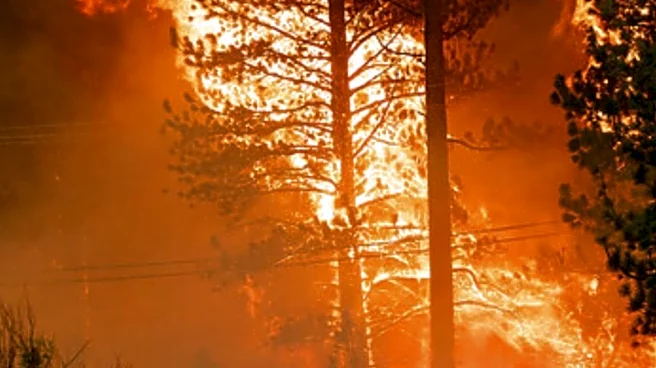
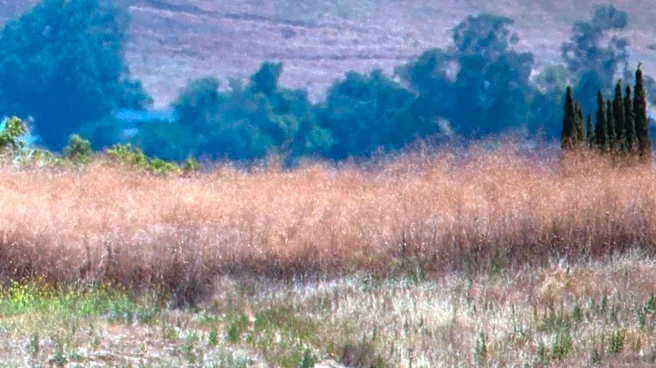
The New York State Department of Environmental Conservation (DEC) is advising extreme caution with outdoor fires due to abnormally dry conditions across much of the state, which have elevated wildfire danger. Despite daily fluctuations in fire danger ratings,
the overall risk remains higher than typical for this time of year, particularly during the fall foliage season. DEC Forest Rangers have recently responded to multiple wildfires, many of which were caused by unattended or improperly extinguished campfires. The agency emphasizes that hot embers can smolder underground for days or weeks before igniting a full-blown wildfire. The DEC discourages campfires outside of established fire rings and stresses the importance of completely extinguishing any fire by dousing it with water, stirring the coals, and ensuring it is cool to the touch before leaving.
Why It's Important?
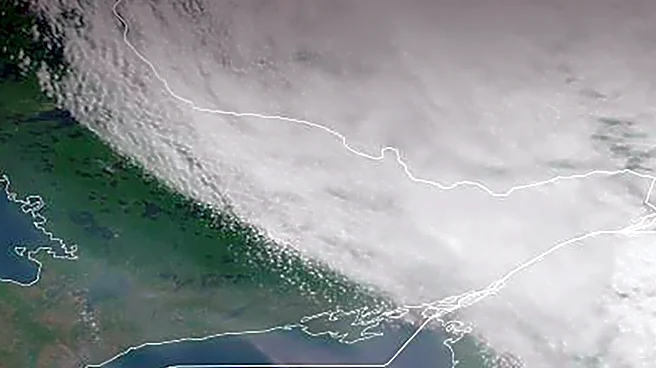
The elevated wildfire risk in New York State poses significant threats to both natural environments and public safety. Uncontrolled wildfires can destroy forests, wildlife habitats, and private property, leading to substantial economic losses and ecological damage. The presence of smoke from brushfires in the Southern United States also impacts air quality in New York, highlighting the interconnectedness of environmental issues across regions. The DEC's warning is crucial for preventing human-caused fires, which are often preventable through careful adherence to safety guidelines. This situation underscores the need for public awareness and responsible outdoor practices to mitigate the risk of devastating wildfires, especially as climate patterns contribute to drier conditions.
What's Next?
The DEC will continue to monitor fire danger ratings and issue updates as conditions change. Public education campaigns, such as the reminder 'Only You Can Prevent Wildfires,' will likely persist to encourage safe practices among campers, hunters, and other outdoor enthusiasts. Forest Rangers will remain vigilant in responding to wildfires and enforcing regulations regarding outdoor burning. Individuals are urged to report any wildfires by calling 911 and unattended campfires on DEC lands to Forest Ranger Dispatch. The ongoing dry conditions suggest that heightened caution will be necessary for the foreseeable future, potentially influencing recreational activities and land management policies in the state.
Beyond the Headlines
The recurring issue of wildfires, even in states not traditionally associated with large-scale blazes, points to broader environmental shifts and the increasing vulnerability of ecosystems. The DEC's emphasis on individual responsibility highlights a cultural dimension of wildfire prevention, where collective action and adherence to safety protocols are paramount. This situation also brings to light the challenges faced by environmental agencies in managing natural resources amidst changing climate patterns and increased human activity in wildland areas. The need for constant vigilance and adaptation in wildfire management strategies will likely become a more prominent aspect of environmental policy and public discourse, extending beyond immediate fire season concerns to long-term ecological planning.