







What's Happening?
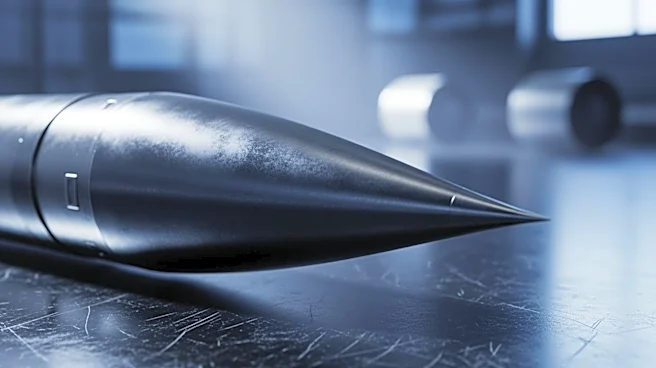
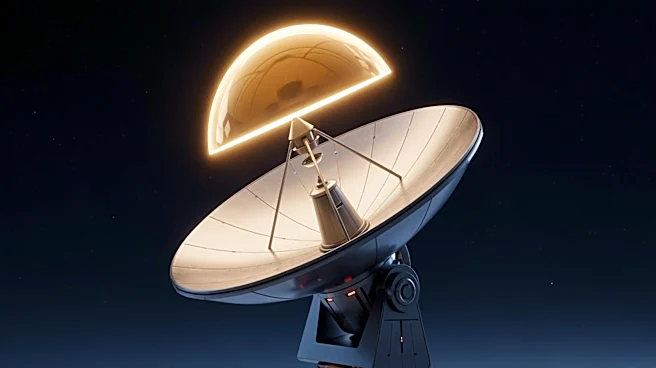
Lockheed Martin has been awarded contracts by the U.S. Space Force Space Systems Command to develop capabilities for the Space-Based Interceptor (SBI) program. This initiative is part of a broader effort to establish a layered homeland defense system.
The SBI program aims to enhance missile defense by providing an early engagement layer that increases coverage and survivability against missile threats. Lockheed Martin's experience with systems like THAAD and PAC-3, along with its work on the Next Generation Interceptor and hypersonic strike systems, positions it to deliver these advanced capabilities. The company plans to demonstrate an integrated system by 2028.
Why It's Important?
The contract with Lockheed Martin is a critical step in advancing the U.S. missile defense strategy, particularly in response to evolving global threats. By developing the SBI program, the U.S. aims to bolster its defense infrastructure, ensuring greater protection for the homeland and critical assets. This development underscores the importance of technological innovation in national security and highlights Lockheed Martin's role as a key player in defense technology. The successful implementation of the SBI program could enhance the U.S.'s deterrence capabilities and provide a strategic advantage in missile defense.
What's Next?
Lockheed Martin is set to accelerate the development and integration of the SBI capabilities, with a commitment to delivering an integrated demonstration by 2028. This timeline suggests a focused effort on research, testing, and collaboration with the U.S. Space Force and other defense entities. The progress of this program will likely be closely monitored by defense analysts and policymakers, as it represents a significant component of the U.S.'s future defense strategy. The outcomes of this initiative could influence future defense contracts and the direction of missile defense technology development.