



What's Happening?
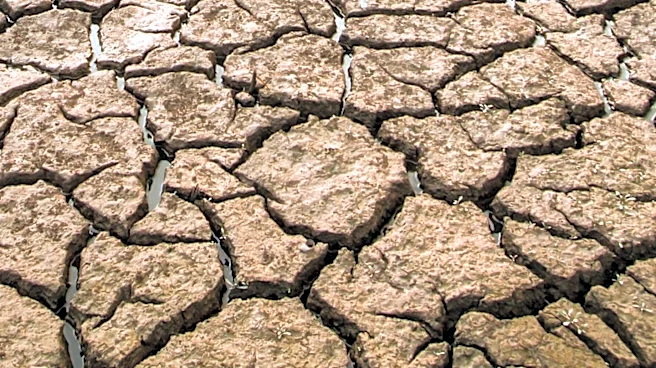
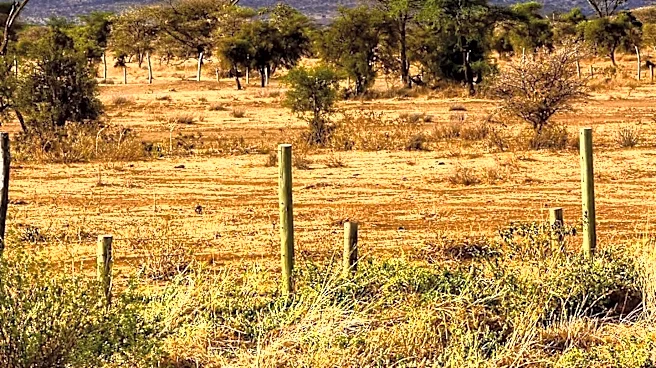
The Almaty region has shown a significant increase in the frequency and intensity of droughts, particularly in its flat areas, according to an integrated assessment of moisture availability and dryness. This study, spanning from 1990 to 2024, utilized
various indices including the Standard Precipitation Index (SPI-6) and the Standardized Precipitation-Evapotranspiration Index (SPEI-6), alongside NDVI-based vegetation response. The research indicates that the region's climate is characterized by high spatial and temporal variability. Average long-term temperature deviations during the growing season reached 1.2 °C, with a maximum of 1.8 °C in Kegen. Precipitation variability was highest in Esik and on the Almaty Kamensky Plateau, and lowest in arid areas like Aul 4 and Bakanas. The humidity coefficient ranged from 0.33 (severe aridity) to 2.0 (excessive humidity), with the Hydrothermal Coefficient (HTC) confirming non-arid conditions in mountainous areas and severe aridity in desert regions. The year 2021 was identified as the driest on record, despite some short-term phases of excessive moisture, such as in 2016.
Why It's Important?
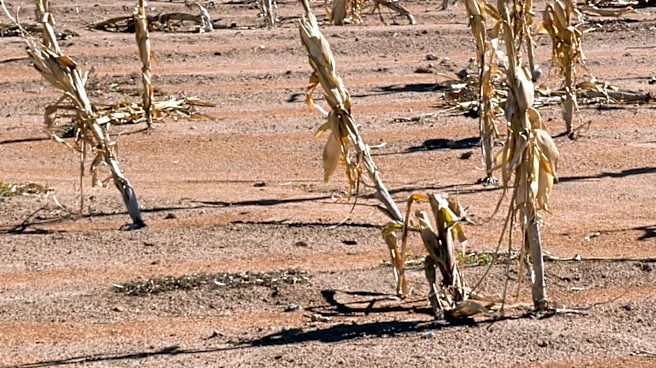
The findings underscore the high climatic vulnerability of the Almaty region, particularly its agricultural sector. The increased frequency and intensity of droughts pose a direct threat to food security and the livelihoods of those dependent on agriculture. This climatic shift necessitates urgent adaptation measures to mitigate potential economic losses and ensure sustainable agricultural practices. Farmers and agricultural businesses in the region face heightened risks of crop failure, reduced yields, and increased operational costs due to water scarcity. The variability in climatic parameters also complicates long-term agricultural planning and investment. The study's insights are crucial for policymakers and stakeholders to develop effective strategies for water management, drought-resistant crop development, and support systems for affected communities. Without adequate adaptation, the region could experience significant socio-economic disruption, impacting regional stability and potentially leading to broader economic consequences.
What's Next?
The confirmed high climatic vulnerability of the Almaty region necessitates the implementation of adaptation measures within the agricultural sector. These measures will likely include the development and adoption of drought-resistant crop varieties, improvements in irrigation infrastructure, and the implementation of more efficient water management practices. Policymakers and agricultural organizations are expected to collaborate on strategies to support farmers in transitioning to more resilient farming methods. This could involve providing financial incentives for sustainable practices, offering training on water conservation techniques, and investing in research for climate-adaptive agriculture. Furthermore, continuous monitoring of climatic parameters and vegetation response will be essential to track the effectiveness of these measures and to inform future adjustments. The findings may also prompt a re-evaluation of land use policies to better align with the changing climatic conditions and reduce vulnerability in the most affected areas.
Beyond the Headlines
The escalating drought conditions in the Almaty region highlight a broader global challenge of climate change and its disproportionate impact on vulnerable agricultural regions. This situation raises ethical questions regarding resource allocation and international support for regions facing severe climatic shifts. The long-term implications could include significant demographic shifts as populations migrate from severely affected agricultural areas, leading to increased urbanization and potential social pressures. Culturally, traditional farming practices may need to evolve rapidly, potentially leading to a loss of indigenous agricultural knowledge if not carefully managed. Legally, there may be a need for new frameworks to manage water rights and land use in the face of increasing scarcity. The economic ripple effects could extend beyond the agricultural sector, impacting regional trade and potentially contributing to food price volatility. This scenario underscores the interconnectedness of environmental, social, and economic systems, demanding a holistic and proactive approach to climate adaptation.