






What's Happening?
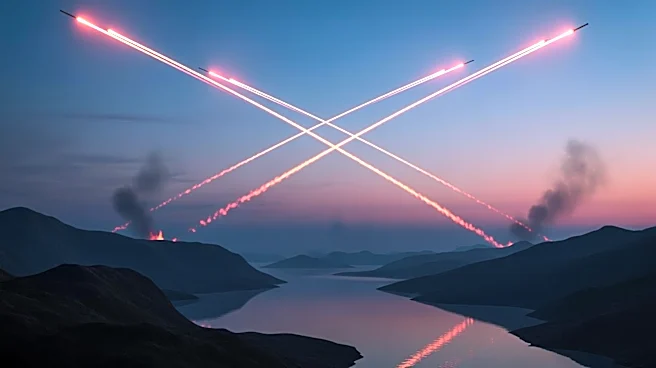
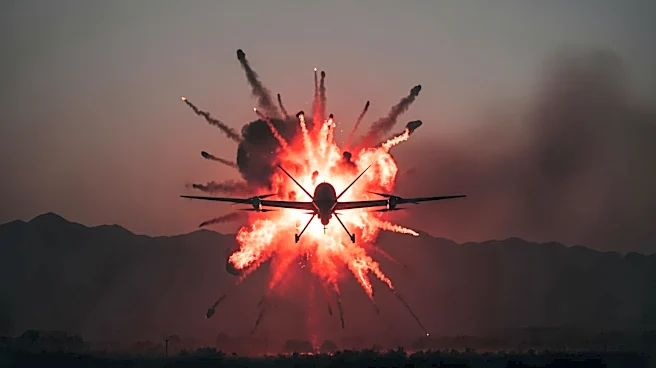
The Israeli Defense Forces (IDF) reported that Iran launched missiles toward northern Israel, following an Israeli strike on Hezbollah targets in Beirut. The IDF's defensive systems successfully intercepted the missiles, and no casualties have been reported.
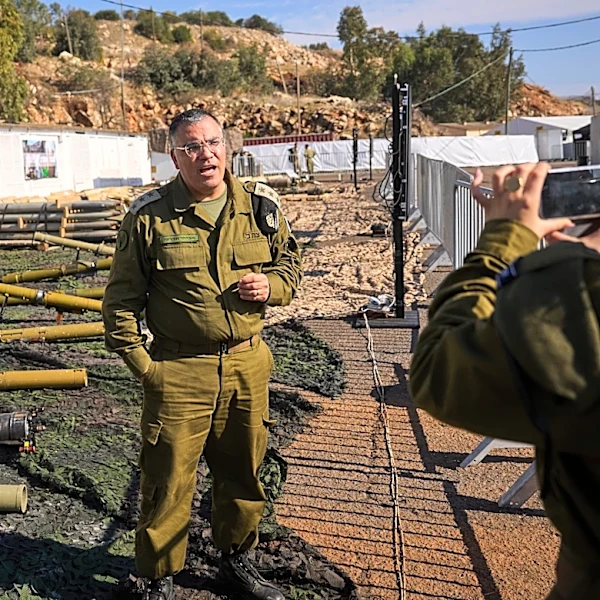
In response, the IDF has reinforced its defenses and is on high alert for further attacks. The public in affected areas received alerts to seek shelter, and nationwide security measures have been tightened, including school closures and restrictions on public gatherings. IDF Chief of Staff Lt. Gen. Eyal Zamir is overseeing the military's response and situational assessments.
Why It's Important?
This missile attack represents a significant escalation in the ongoing conflict between Israel and Iran, with potential repercussions for regional stability. The successful interception of the missiles by Israel's defense systems highlights the country's preparedness for such threats. However, the attack underscores the persistent risk of military confrontation in the region, which could draw in other countries and escalate into a broader conflict. The situation also poses challenges for international diplomacy, as global powers may need to intervene to de-escalate tensions and prevent further military actions.
What's Next?
The IDF remains on high alert, prepared for additional missile attacks or other forms of retaliation from Iran. The Israeli government may consider further military or diplomatic actions to deter future threats. Internationally, there may be calls for diplomatic intervention to prevent further escalation. Domestically, Israel will continue to implement security measures to protect its citizens, including maintaining readiness for a range of scenarios. The situation will likely remain tense, with ongoing monitoring by both Israeli and international authorities.