








What's Happening?
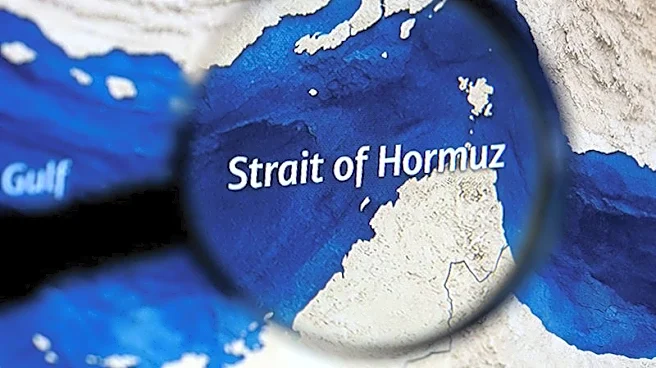
The United Nations Food and Agriculture Organization (FAO) has issued a warning about the potential for a global food crisis if disruptions in the Strait of Hormuz persist. The strait is a critical passage for the transportation of agricultural inputs,
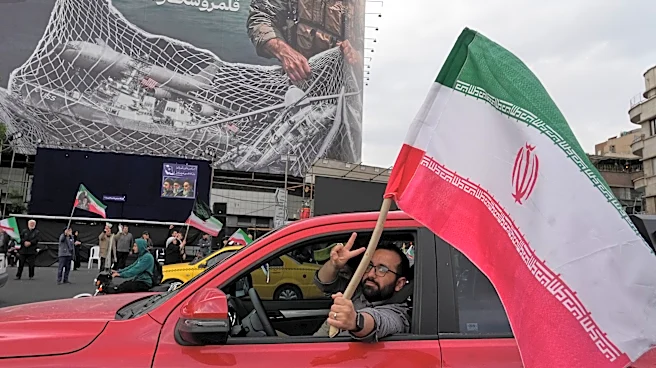
including fertilizers, which are essential for global food production. The FAO highlights that 20% to 45% of key agri-food inputs are shipped through this waterway. The current disruption is linked to the US-Israel conflict with Iran, which has led to a naval blockade imposed by the US. This blockade has halted maritime traffic, affecting the supply chain of fertilizers and other agricultural inputs. The FAO emphasizes that while current food supplies are stable, prolonged disruptions could lead to increased food prices and inflation, particularly affecting low-income, import-dependent countries.
Why It's Important?
The disruption in the Strait of Hormuz has significant implications for global food security. The strait is a vital conduit for the export of fertilizers, which are crucial for maintaining crop yields. A prolonged blockage could lead to reduced agricultural productivity, higher food prices, and increased food inflation. This situation poses a threat to global food security, particularly in countries that rely heavily on imported agricultural inputs. The FAO's warning underscores the interconnectedness of global supply chains and the potential for geopolitical conflicts to impact food availability and affordability. The situation also highlights the vulnerability of global agriculture to disruptions in key trade routes.
What's Next?
The FAO urges governments to avoid imposing export restrictions on energy and fertilizers and to reassess biofuel mandates to mitigate the impact of the disruption. The organization also calls for multilateral financing to support countries at risk of losing access to essential fertilizers. The International Monetary Fund (IMF) and other international bodies may need to provide financial assistance to affected countries. The ongoing conflict and blockade in the Strait of Hormuz require diplomatic efforts to resume maritime traffic and stabilize the supply of agricultural inputs. The situation remains fluid, and the international community will need to monitor developments closely to prevent a potential food crisis.