






What's Happening?
The Trump administration has repealed a rule requiring shell companies to disclose their ownership, a move that critics argue will facilitate corruption. The Treasury Department's Financial Crimes Enforcement Network announced the end of this regulation,
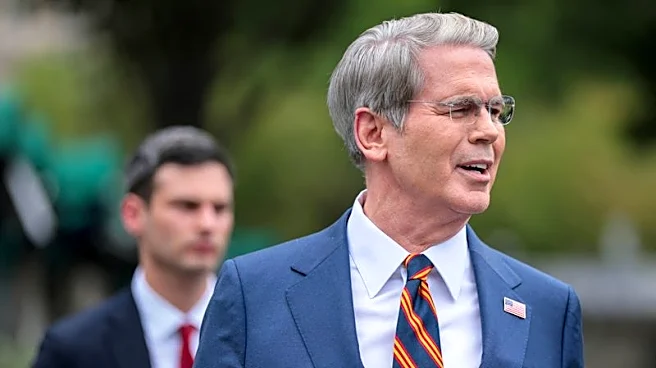
which was part of the Corporate Transparency Act. Treasury Secretary Scott Bessent described the rule as burdensome, claiming its repeal would benefit small business owners. However, critics, including corruption expert Casey Michel, argue that the repeal will make it easier for wealthy individuals and corrupt regimes to hide assets. The rule's repeal has sparked significant backlash from lawmakers and financial watchdogs.
Why It's Important?
This decision has significant implications for financial transparency and anti-corruption efforts in the U.S. By removing the requirement for companies to disclose beneficial ownership, the administration has potentially opened the door for increased financial crimes, including money laundering and tax evasion. The repeal undermines efforts to hold individuals accountable for illicit financial activities and could erode public trust in the financial system. It also highlights the ongoing debate over regulatory burdens versus the need for transparency in business practices.
What's Next?
The repeal is likely to face legal and political challenges, as lawmakers and advocacy groups push back against the decision. Senator Elizabeth Warren has already called for Treasury Secretary Bessent to testify before the Senate Committee on Banking, Housing, and Urban Affairs. The Financial Accountability and Corporate Transparency Coalition has also criticized the move, suggesting it could lead to increased scrutiny and potential legislative action to restore transparency measures.