




What's Happening?
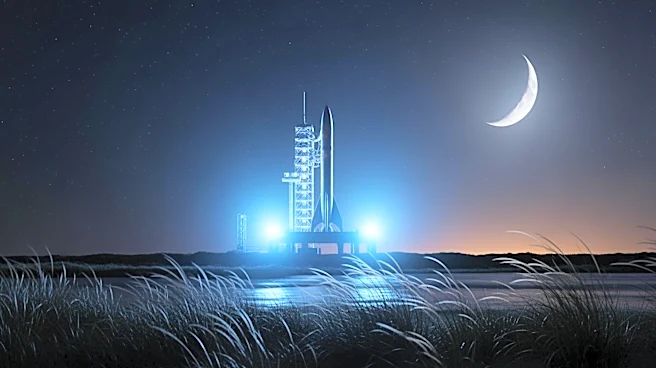
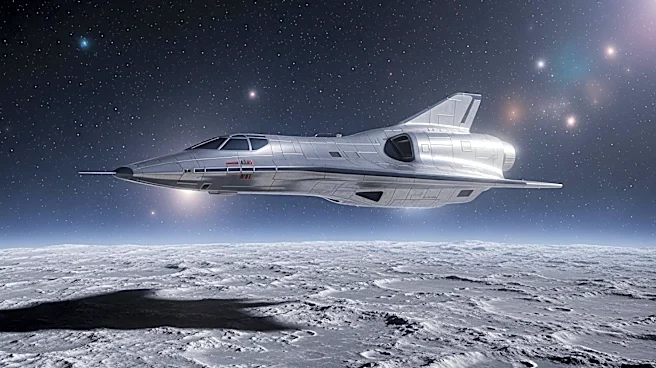
The Artemis 2 mission, which launched on April 1, 2026, drew approximately 346,000 visitors to Florida's Space Coast, significantly boosting local tourism. This mission marked the first crewed journey beyond low Earth orbit since 1972, with four astronauts,
including NASA's Reid Wiseman, Victor Glover, Christina Koch, and Canadian Jeremy Hansen, embarking on a 10-day lunar loop. The influx of visitors, equivalent to the population of Honolulu, Hawaii, was measured using cellular device-tracking software, although it did not account for international visitors or those without phones. The Artemis 2 launch surpassed the visitor numbers of the uncrewed Artemis 1 mission in 2022, which attracted 226,000 people. The event generated an estimated $41 million in visitor spending, highlighting the economic impact of space exploration on local communities.
Why It's Important?
The Artemis 2 mission's success in attracting a large number of visitors underscores the significant economic benefits that space exploration can bring to local economies. The influx of tourists not only boosts local businesses but also highlights the growing public interest in space missions. This interest can lead to increased investment in space-related industries and infrastructure, potentially creating jobs and fostering innovation. Additionally, the mission's success reinforces the importance of international collaboration in space exploration, as demonstrated by the participation of Canadian astronaut Jeremy Hansen. The economic and scientific advancements driven by such missions can have long-term positive effects on the U.S. economy and its position in global space exploration efforts.
What's Next?
Following the success of Artemis 2, NASA and its partners are likely to continue planning and executing further missions as part of the Artemis program. These missions aim to establish a sustainable human presence on the Moon and eventually pave the way for human exploration of Mars. The continued success of these missions could lead to increased funding and support for space exploration initiatives. Additionally, the economic impact observed in Florida's Space Coast may encourage other regions to invest in infrastructure and tourism strategies to capitalize on future space-related events. The growing interest in space exploration could also inspire educational programs and initiatives to prepare the next generation of scientists and engineers.