







What's Happening?
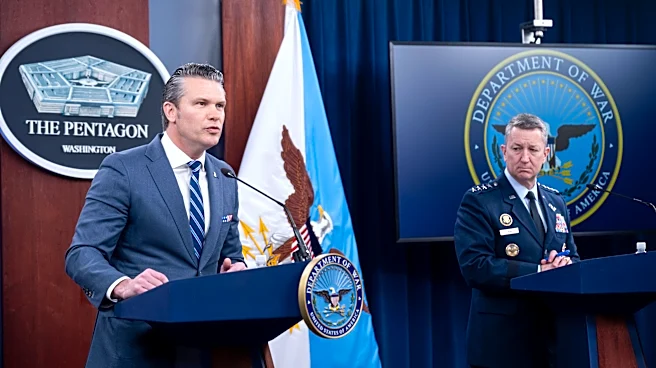
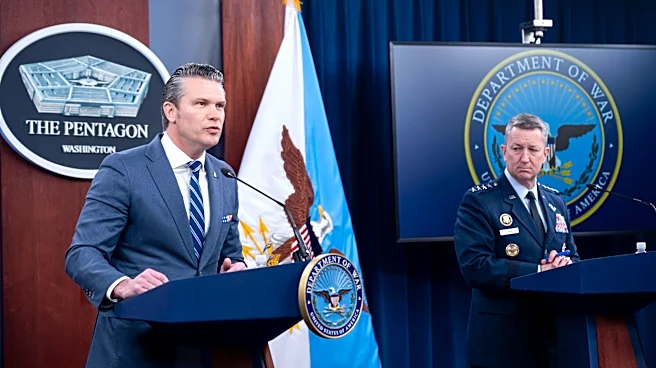
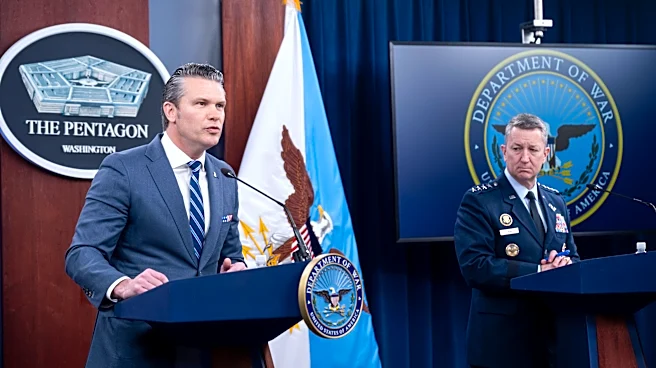
The Pentagon has reported spending an estimated $25 billion in the first 60 days of operations against Iran, according to the department's comptroller. The costs are primarily attributed to munitions and operational expenses. The administration plans
to request additional funding from Congress to cover these expenses. The report comes amid ongoing discussions about the Pentagon's $1.5 trillion budget request for fiscal 2027, which aims to modernize and expand military capabilities. Lawmakers have raised concerns about the strategic objectives of the Iran war and the potential economic impact of continued military engagement.
Why It's Important?
The significant expenditure highlights the financial burden of military operations and raises questions about the sustainability of prolonged conflict. The report underscores the need for clear strategic objectives and accountability in military spending. The high costs associated with the Iran war may influence public opinion and political debates about U.S. foreign policy and defense priorities. The situation also highlights the challenges of balancing military readiness with fiscal responsibility, particularly in the context of broader economic concerns.
What's Next?
The administration's request for additional funding will undergo scrutiny as lawmakers evaluate the costs and benefits of continued military engagement. The outcome of these discussions could influence future defense budgets and strategic priorities. The ongoing negotiations with Iran and the potential for a peace agreement will be critical in determining the conflict's trajectory. The Pentagon's handling of the war and its impact on U.S. interests will likely remain a focal point in upcoming political debates.