
What's Happening?
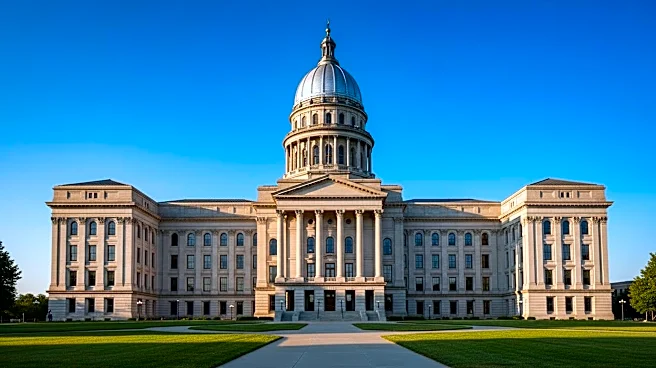
Illinois Governor JB Pritzker has issued a state disaster proclamation in response to what he described as 'relentless and unprecedented' severe weather that has impacted the state over the past two months.
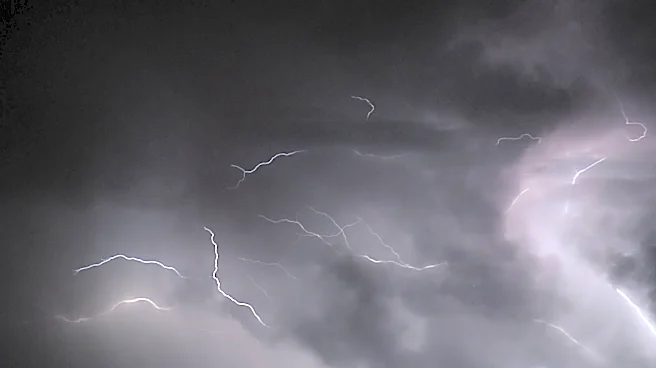
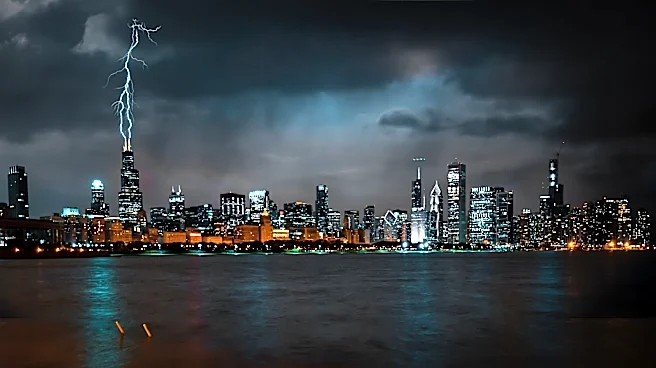
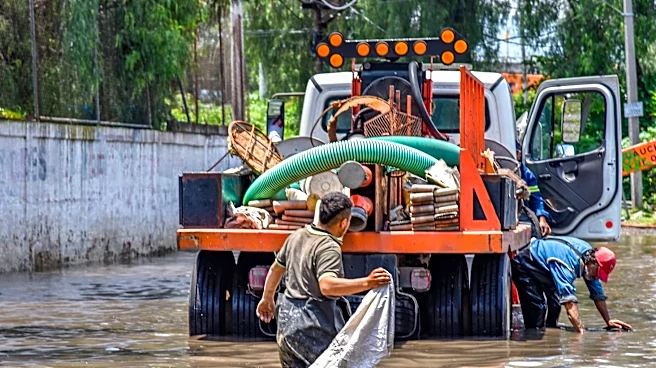
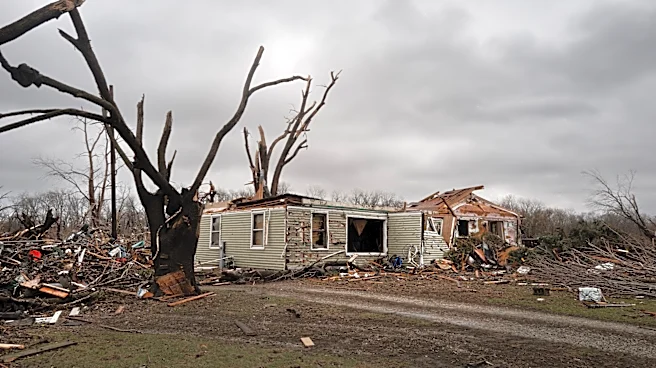
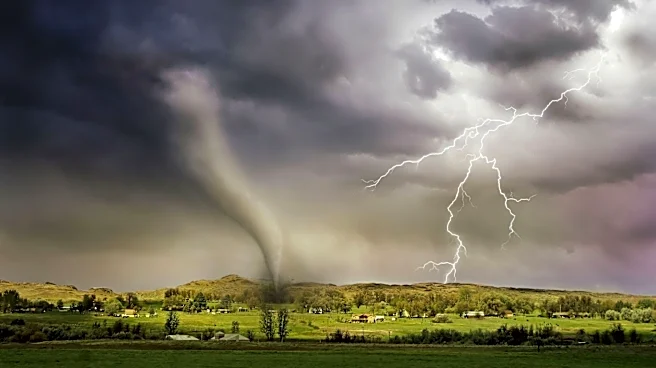
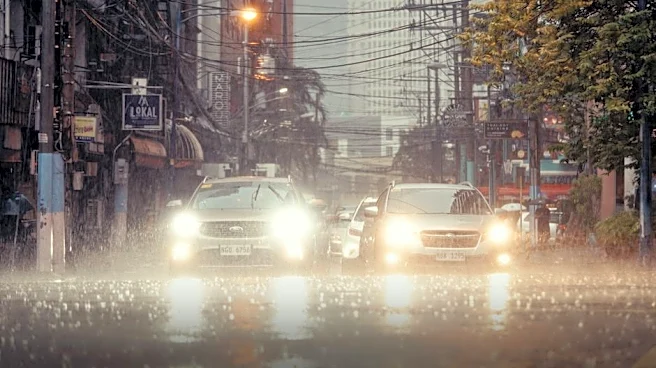
The declaration follows a period during which Illinois experienced more than 200 tornadoes, along with widespread damage from torrential downpours, flash flooding, and straight-line winds. This proclamation is intended to accelerate the deployment of state funds and resources for recovery efforts and to streamline the contract and procurement process for local governments. It also comes shortly after the governor signed legislation enabling homeowners to access disaster relief programs not typically covered by standard insurance policies. This marks a similar declaration to one made in April and June, indicating a sustained period of severe weather. The state's Department of Transportation, Environmental Protection Agency, and Department of Commerce and Economic Opportunity are all slated to assist 15 counties in their recovery from these storms.
Why It's Important?
This disaster proclamation is crucial for Illinois residents and local governments as it unlocks vital state resources and funding necessary for recovery from extensive storm damage. The expedited contract and procurement processes will allow affected communities to rebuild and repair infrastructure more quickly, minimizing prolonged disruption to daily life and local economies. For homeowners, the recent bill signed by Governor Pritzker, which allows participation in disaster relief programs beyond standard insurance coverage, provides a critical safety net, potentially preventing significant financial hardship for many families. The involvement of multiple state agencies underscores the comprehensive nature of the recovery effort, aiming to address not only immediate physical damage but also environmental and economic impacts. This coordinated response is essential for mitigating the long-term consequences of such widespread and severe weather events on the state's infrastructure and its citizens' well-being.
What's Next?
Following the disaster proclamation, state agencies including the Department of Transportation, Environmental Protection Agency, and Department of Commerce and Economic Opportunity will commence their coordinated efforts to assist the 15 designated counties. Local governments in these areas can expect to benefit from expedited contract and procurement processes, which should accelerate repair and rebuilding initiatives. Homeowners affected by the storms will be able to access disaster relief programs that extend beyond typical insurance coverage, providing crucial financial support. The state will likely continue to monitor weather patterns and assess ongoing damage, potentially extending aid or adding more counties to the proclamation if further severe weather occurs. The focus will be on immediate recovery and long-term resilience planning to better prepare for future extreme weather events.
Beyond the Headlines
The repeated declarations of disaster in Illinois highlight a growing concern regarding the increasing frequency and intensity of severe weather events, potentially linked to broader climate patterns. This trend places significant strain on state and local resources, necessitating continuous adaptation in disaster preparedness and response strategies. Beyond the immediate financial and infrastructural impacts, there are deeper societal implications, including potential displacement, long-term psychological effects on affected communities, and the challenge of ensuring equitable access to recovery resources. The reliance on state-level disaster relief programs also raises questions about the adequacy of existing insurance models in covering climate-related damages and the need for innovative solutions to protect vulnerable populations. This situation could prompt a reevaluation of urban planning, infrastructure resilience, and environmental policies across the state to better withstand future climatic challenges.