



What's Happening?
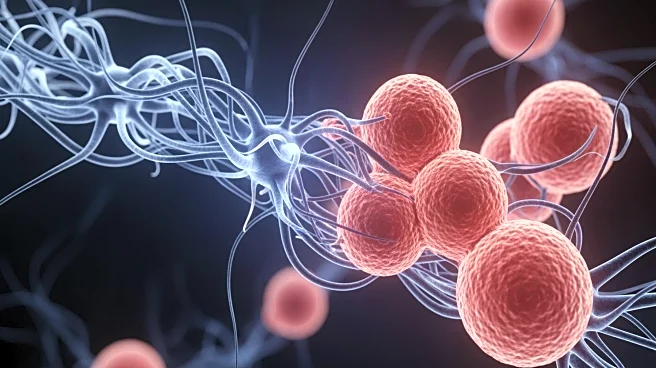
Recent research in cancer neuroscience has unveiled the complex interactions between cancer cells and the nervous system, highlighting how neural systems can influence tumor behavior and therapeutic outcomes. Studies have shown that cancer cells interact with
their microenvironment, which includes vascular, immune, and stromal components, and now, the nervous system. This interaction introduces a new layer of complexity, as peripheral and central nerves can modulate tumor behavior through neurotransmitters and neurotrophic factors. Additionally, tumors can promote axonogenesis and neural remodeling, creating a microenvironment conducive to growth and metastasis. Key findings include the potential of DNA methylation-based classification for precise tumor diagnosis, the use of liquid biopsy for early detection of brain tumors, and the identification of biomarkers and therapeutic targets in glioblastoma. These insights are paving the way for new diagnostic and therapeutic strategies in cancer treatment.
Why It's Important?
The integration of neuroscience into cancer research is significant as it opens new avenues for understanding and treating cancer. By exploring the neural dimension of tumor biology, researchers can develop more precise diagnostic tools and targeted therapies. The discovery of metabolic biomarkers for early detection and the identification of new therapeutic targets in glioblastoma could lead to improved patient outcomes. This research underscores the importance of a multidisciplinary approach in cancer treatment, combining molecular, metabolic, and neural insights to address the complexities of tumor behavior. The potential to enhance radiotherapy efficacy and overcome treatment resistance through mitochondrial manipulation is particularly promising, offering hope for more effective cancer treatments.
What's Next?
Future research will likely focus on further unraveling the neural-tumor interface and translating these findings into clinical interventions. Efforts will be directed towards integrating multi-omics, functional neuroimaging, and in vivo models to better understand the causal mechanisms of neural-tumor interactions. This could lead to the development of next-generation diagnostics and therapeutics that are more effective in targeting the neural aspects of tumor biology. Additionally, there is a need to address the persistent cognitive and network-level consequences of tumor growth and treatment, as highlighted by studies on glioma survivors. Continued collaboration between neuroscientists and oncologists will be crucial in advancing this field.
Beyond the Headlines
The exploration of cancer neuroscience not only advances our understanding of tumor biology but also raises ethical and clinical considerations. The potential to manipulate neural systems for therapeutic purposes must be carefully evaluated to ensure patient safety and ethical compliance. Moreover, the integration of neural insights into cancer treatment could lead to personalized medicine approaches, where therapies are tailored to the specific neural and molecular characteristics of a patient's tumor. This shift towards personalized care could improve treatment efficacy and reduce side effects, ultimately enhancing the quality of life for cancer patients.