



What's Happening?
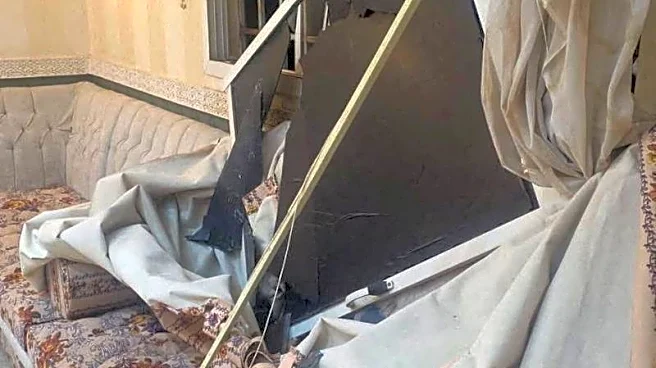
India's Permanent Representative to the UN, Ambassador Harish Parvathaneni, addressed the UN Security Council, expressing deep concern over the escalating hostilities in West Asia. He condemned repeated attacks on civilian infrastructure, including Saudi
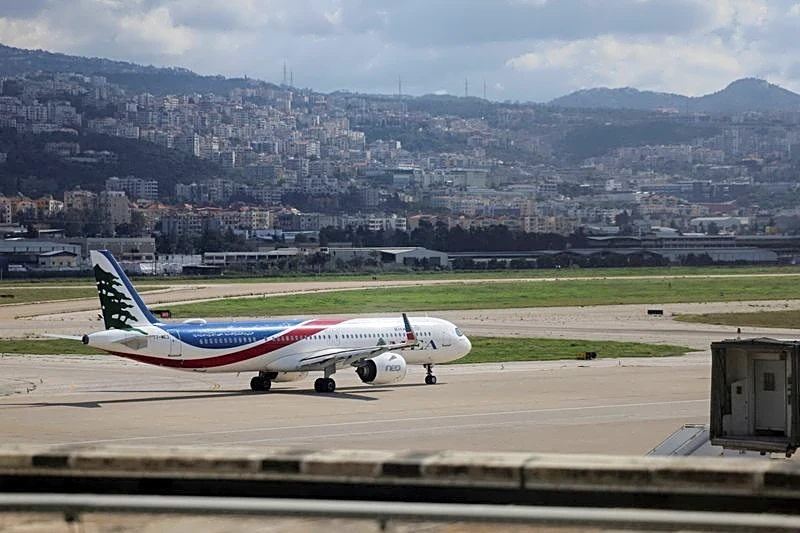
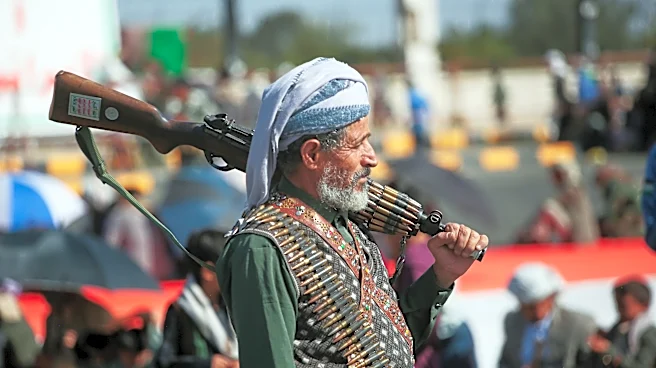
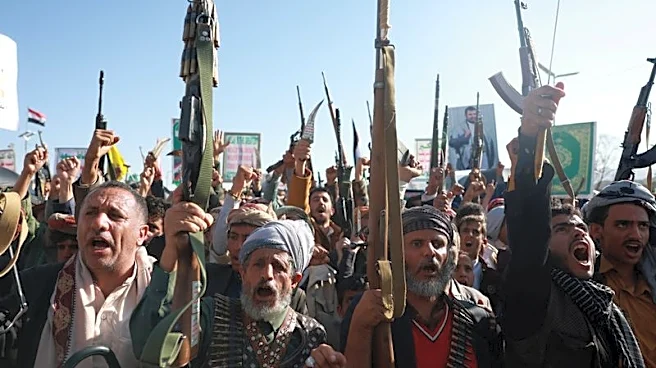
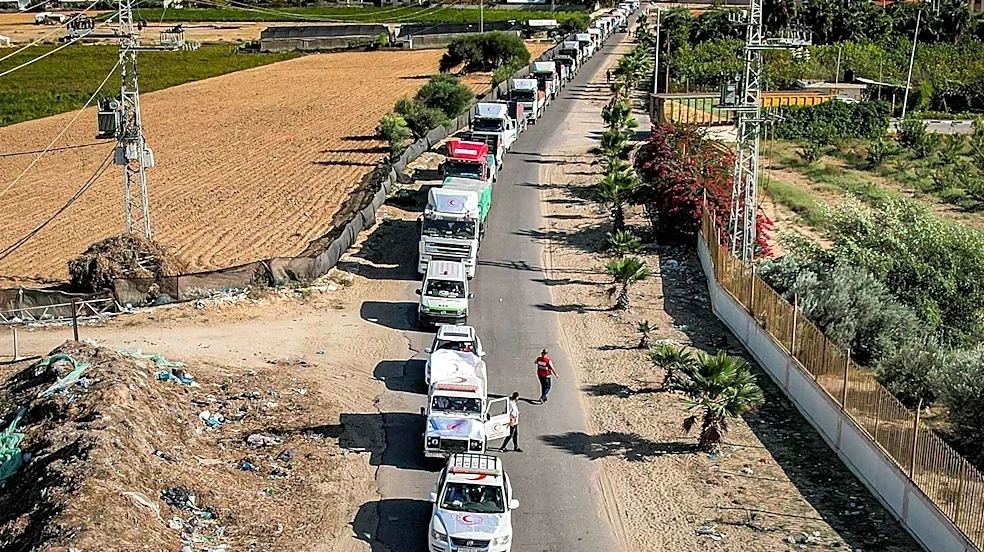
airports, and on commercial shipping, which have resulted in casualties, including an Indian citizen in Riyadh. Parvathaneni highlighted the critical importance of protecting maritime navigation, particularly in the Bab el-Mandeb Strait and the Southern Red Sea, emphasizing it as a shared international responsibility. He also stressed that the global focus on shipping security must not overshadow the severe humanitarian crisis in the Gaza Strip. India reiterated its condemnation of the October 7, 2023 attacks and called for immediate de-escalation, dialogue, and diplomacy to resolve the conflict. India also reaffirmed its commitment to a two-state solution for lasting peace.
Why It's Important?
India's statement at the UNSC underscores the interconnectedness of regional conflicts and global stability, particularly concerning maritime trade and humanitarian crises. The attacks on commercial shipping, which often involve Indian seafarers, directly impact India's economic interests and the safety of its citizens, necessitating a strong diplomatic stance. By linking the security of maritime routes to the humanitarian situation in Gaza, India highlights the need for a holistic approach to regional stability that addresses both immediate security threats and underlying human suffering. The call for a two-state solution aligns with broader international consensus, emphasizing a political resolution to the Israeli-Palestinian conflict. India's role as a significant emerging donor to UNRWA further demonstrates its commitment to humanitarian relief, reinforcing its position as a responsible global actor advocating for peace and stability in complex geopolitical landscapes.
What's Next?
India will likely continue to advocate for de-escalation and diplomatic solutions in West Asia, both bilaterally and through multilateral forums like the UN. The proposed 'Seafarers Emergency Support Network' by Prime Minister Narendra Modi at the BRICS Leaders’ Summit indicates a proactive approach to protecting maritime personnel, which may see further development and international collaboration. India will also likely maintain its humanitarian support for Gaza, emphasizing the need for unhindered aid delivery and reconstruction efforts. The call for a two-state solution suggests continued diplomatic engagement on the Israeli-Palestinian conflict. India's stance will continue to influence international discourse on these issues, particularly as it seeks to balance its strategic interests with its humanitarian commitments in a volatile region.
Beyond the Headlines
India's intervention at the UNSC reflects a broader strategic pivot towards asserting its influence in global affairs, particularly in regions critical to its economic and security interests. The emphasis on protecting maritime navigation highlights the vulnerability of global supply chains to regional conflicts, with potential ripple effects on international trade and energy markets. The linkage between maritime security and the Gaza humanitarian crisis also subtly challenges the international community to address the root causes of instability rather than focusing solely on symptoms. This approach suggests a growing recognition that long-term peace requires comprehensive solutions that integrate security, humanitarian aid, and political dialogue. India's consistent support for a two-state solution, despite its growing ties with various regional actors, underscores a principled foreign policy aimed at fostering sustainable peace in the Middle East.