







What's Happening?
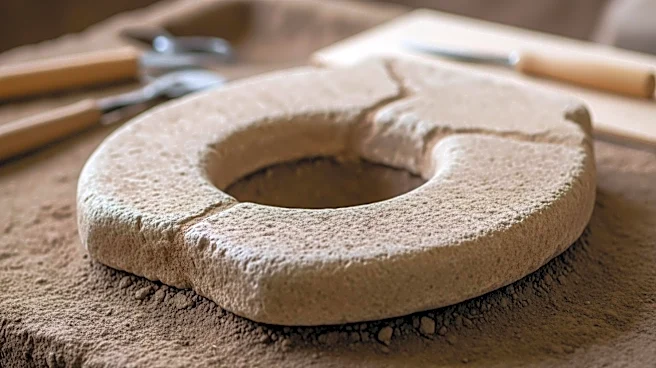
Researchers from Poland have uncovered evidence of ancient parasites in Roman toilets, dating back to the 2nd to 4th centuries CE, in the Roman province of Moesia Inferior, present-day Bulgaria. The study involved analyzing mineralized deposits from chamber
pots in Novae and Marcianopolis. The findings revealed the presence of parasites such as tapeworms and Cryptosporidium, a protozoan parasite previously thought to have originated in Central America. The study provides the earliest evidence of Cryptosporidium in the Mediterranean region. The research highlights differences in parasite prevalence between the two cities, suggesting variations in water quality and diet.
Why It's Important?
This discovery is significant as it sheds light on the historical spread of infectious diseases and the living conditions of ancient populations. Understanding the prevalence and types of parasites in historical contexts can help trace the evolution of diseases and inform current public health strategies. The presence of Cryptosporidium in ancient Europe challenges previous assumptions about its geographic origins, potentially altering the understanding of its historical spread. This research also underscores the importance of paleoparasitology in uncovering the health and hygiene practices of past civilizations, which can provide valuable insights into the development of modern diseases.