



What's Happening?
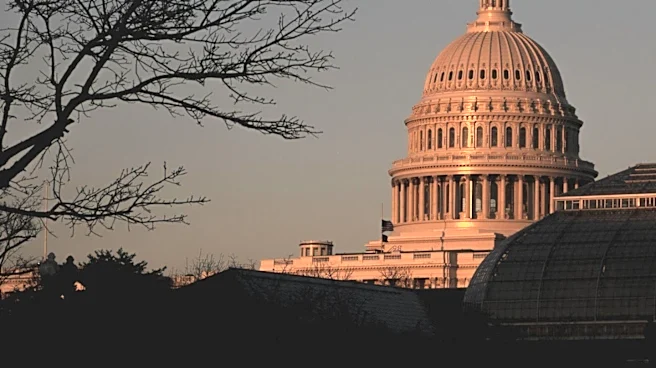
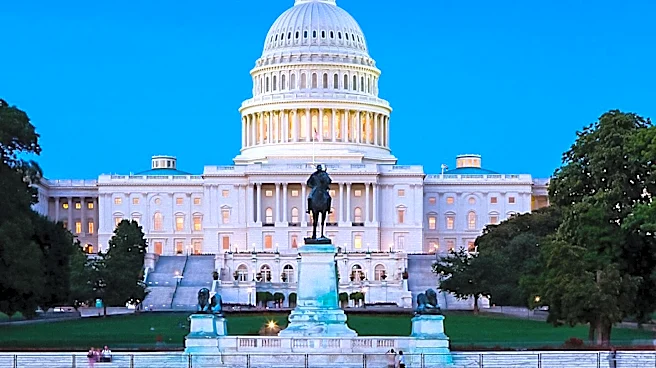
The Senate has passed the bipartisan Federal Disaster Tax Relief Act by unanimous consent, just before Congress recessed for five weeks. The bill, which renews a 2024 law that had expired, faced an unexplained procedural stall attempt by U.S. Senator
Ted Cruz, a Republican from Texas. Despite this, the bill, backed by Oregon's U.S. Senator Ron Wyden, successfully passed and is now awaiting President Trump's signature. The act allows natural disaster survivors to deduct uninsured property losses from federal income taxes and makes disaster settlement payments non-taxable. This includes awards covering lawyers' fees, living expenses, lost wages, or compensation for injury, death, or emotional distress. The relief applies to survivors of wildfires since 2016, and its renewal was crucial as it had technically expired at the end of 2025.
Why It's Important?
The passage of the Federal Disaster Tax Relief Act is significant as it provides financial relief to survivors of natural disasters, particularly wildfires, by alleviating the tax burden on their recovery settlements. This legislation is crucial for those affected by man-made disasters, such as wildfires ignited by power lines, as it ensures that compensation received is not diminished by federal taxes. The bill's passage reflects a bipartisan effort to support disaster survivors and highlights the importance of legislative action in providing timely relief. The act's renewal is particularly vital as it had expired, and without it, survivors would face additional financial challenges. The bill's passage also underscores the political dynamics in Congress, where procedural moves can impact legislative outcomes.
What's Next?
With the bill now headed to the White House, President Trump's signature is the final step needed for it to become law. Once signed, the act will provide immediate tax relief to eligible disaster survivors. The legislative focus will likely shift to ensuring the effective implementation of the relief measures. Additionally, as Congress reconvenes in mid-September, further discussions on disaster relief and related policies may arise, especially with the upcoming midterm elections. Stakeholders, including lawmakers and advocacy groups, will continue to monitor the bill's impact and advocate for additional measures if necessary.