








What's Happening?
Senator Elizabeth Warren (D-Mass.) has publicly criticized Delta Air Lines Inc. for allegedly engaging in union-busting activities. Warren stated on social media platform X that she has received reports indicating Delta is threatening to withhold pay
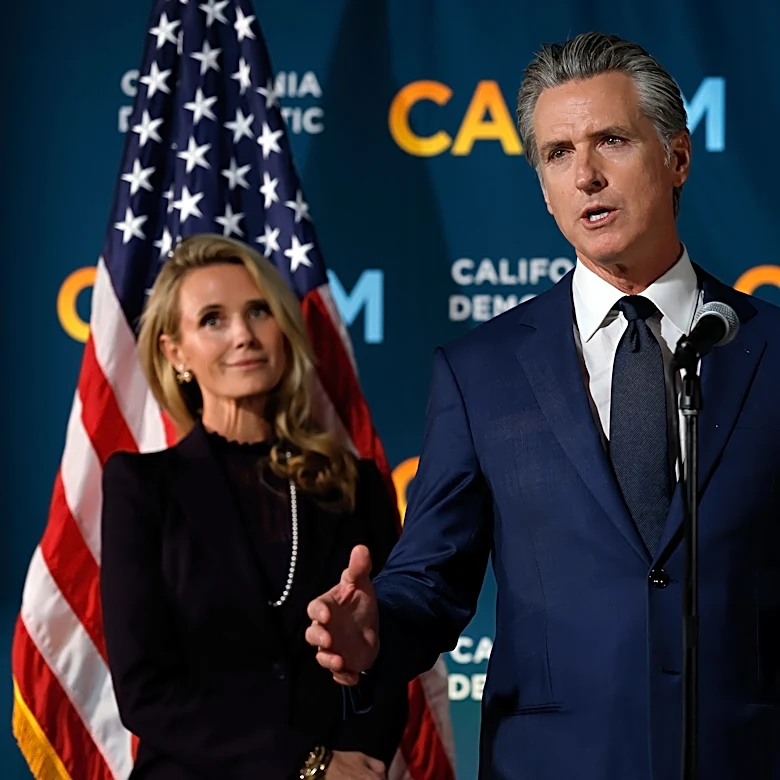
and benefits from flight attendants and encouraging new employees to report colleagues who discuss unionization. She emphasized that flight attendants have the right to organize a union without intimidation or interference. This criticism follows earlier calls from Democratic Party leaders urging Delta CEO Ed Bastian to maintain neutrality regarding unionization efforts among the airline's employees. Warren's comments highlight a broader push by Democratic leaders for unionization, as seen with Governor Gavin Newsom's support for rideshare unions in California.
Why It's Important?
Senator Warren's intervention underscores the ongoing tension between labor rights and corporate practices in the U.S. airline industry. Her accusations against Delta, a major U.S. airline, bring national attention to the issue of unionization within the sector. If Delta's alleged actions are confirmed, it could set a precedent for how other large corporations approach employee organizing, potentially chilling union efforts across various industries. Conversely, Warren's strong stance could embolden labor movements and increase scrutiny on companies perceived to be obstructing workers' rights to collective bargaining. This situation also highlights the role of political figures in advocating for labor protections and influencing corporate behavior, potentially leading to legislative discussions or increased regulatory oversight concerning unionization processes.
What's Next?
The immediate next steps could involve further public statements from Senator Warren or other lawmakers, potentially leading to increased pressure on Delta Air Lines. Labor organizations and flight attendant groups may intensify their unionization campaigns, leveraging the political spotlight on the issue. Delta Air Lines may issue a response to Warren's allegations, either denying the claims or outlining its stance on employee organizing. This situation could also prompt federal agencies, such as the National Labor Relations Board (NLRB), to investigate the reported incidents, potentially leading to formal complaints or enforcement actions if violations of labor law are found. The broader political discourse around labor rights and corporate accountability is likely to continue, influencing future policy debates on unionization and worker protections.
Beyond the Headlines
Beyond the immediate dispute, this event touches upon fundamental questions of worker power and corporate responsibility in the modern economy. The alleged tactics, if true, reflect a broader struggle over the balance of power between employers and employees, particularly in industries with large workforces and significant economic impact. The encouragement of employees to report colleagues for discussing unionization raises ethical concerns about workplace surveillance and the suppression of free association. This situation could also contribute to a larger cultural shift regarding the perception of unions, potentially revitalizing interest in collective bargaining as a means for workers to secure better wages, benefits, and working conditions. The outcome of this dispute could influence labor relations for years to come, shaping the future of worker advocacy and corporate governance.