







What's Happening?
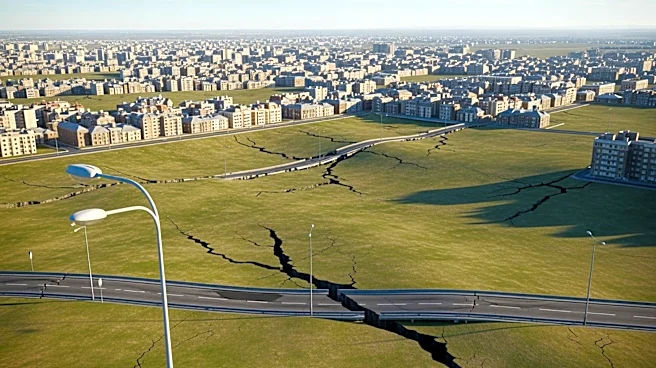
The NISAR satellite mission, a collaboration between NASA and ISRO, has revealed significant land subsidence in Mexico City due to extensive groundwater pumping and urban development. The city is sinking at a rate of more than half an inch per month,
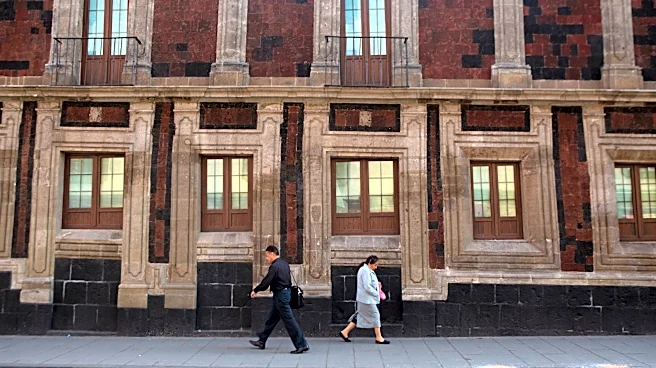
causing damage to infrastructure such as roads and the Metro rail system. The satellite, launched in July 2025, has been tracking ground movement in the city, highlighting the compression of the ancient lakebed beneath Mexico City. Historical data shows that parts of the metropolitan area were sinking by about 14 inches per year during the 1990s and 2000s.
Why It's Important?
The rapid subsidence of Mexico City poses serious challenges to its infrastructure, affecting transportation systems and potentially leading to costly repairs. This situation underscores the broader issue of urban development and resource management in large cities built on aquifers. The findings from the NISAR mission could influence future urban planning and water management strategies, not only in Mexico City but also in other cities facing similar challenges. The data may prompt policymakers to reconsider groundwater extraction practices and invest in sustainable urban development solutions.