



What's Happening?
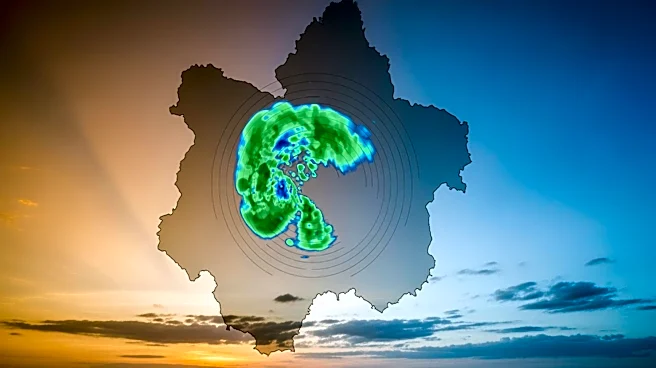
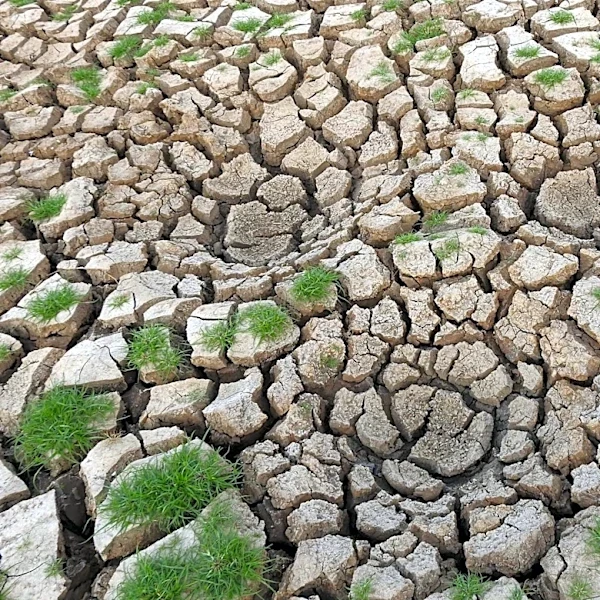
The Piedmont and High Country regions of North Carolina are currently experiencing extreme drought conditions, with rainfall levels significantly below average for the year. According to Andrew Kren, a meteorologist with the National Weather Service in Raleigh,
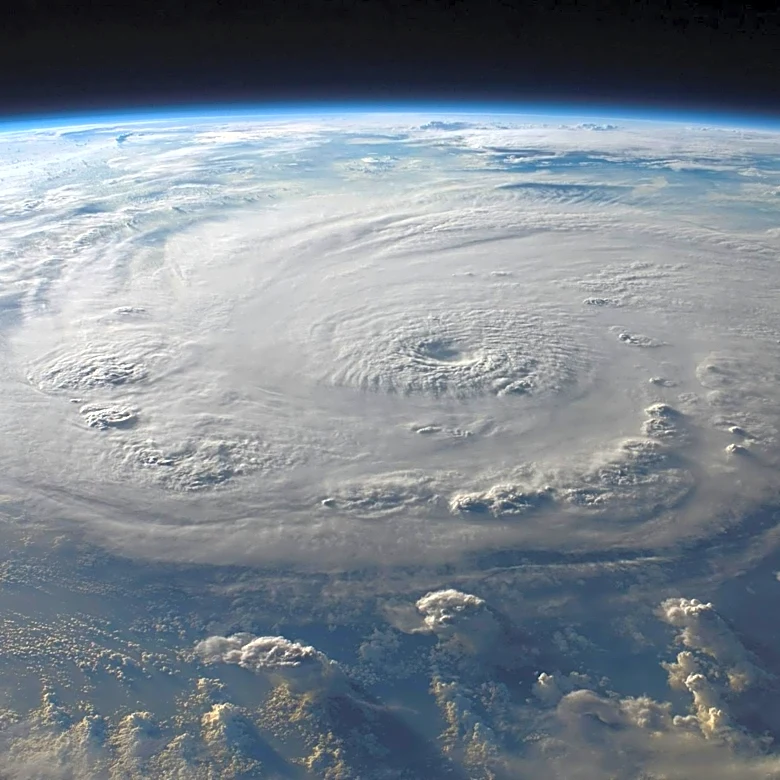
the drought is largely due to a slower-than-normal transition away from a La Niña climate pattern, which typically suppresses rainfall and storm activity in the southeast. Kren forecasts a wetter end to May, with a 30 to 40% chance of above-normal rainfall, which could provide some relief. However, he cautions that without the arrival of a tropical system like El Niño, the drought is likely to persist into the summer.
Why It's Important?
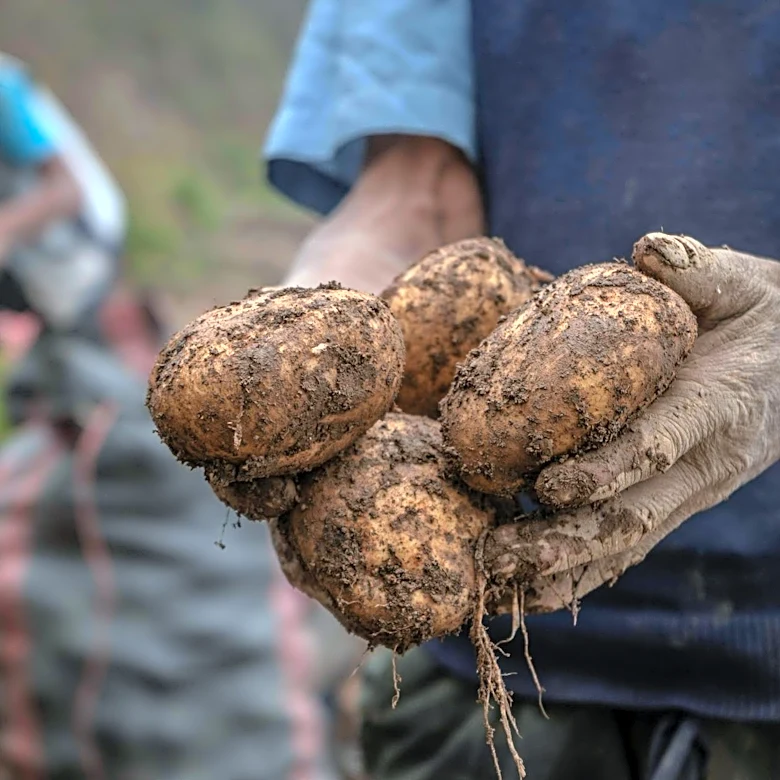
The ongoing drought in North Carolina has significant implications for agriculture, water supply, and local ecosystems. Reduced rainfall can lead to water shortages, affecting both residential and agricultural water use. Farmers may face challenges in crop production, potentially leading to economic losses and higher food prices. Additionally, prolonged drought conditions can increase the risk of wildfires, further threatening local communities and wildlife. The potential for increased rainfall offers hope for alleviating some of these issues, but the situation remains precarious without a significant shift in weather patterns.
What's Next?
Looking ahead, the focus will be on monitoring weather patterns and preparing for continued drought conditions. Local governments and water management authorities may need to implement water conservation measures to manage limited resources. Farmers and agricultural stakeholders will likely seek support and guidance on mitigating the impacts of drought on crop yields. The potential for a wetter end to May provides some optimism, but long-term solutions will require careful planning and adaptation to changing climate conditions.