





What's Happening?
Zimbabwean wildlife authorities are intensifying the monitoring of animals and their water sources in anticipation of an El Niño-induced drought. This proactive measure addresses concerns about shrinking habitats and a potential increase in encounters
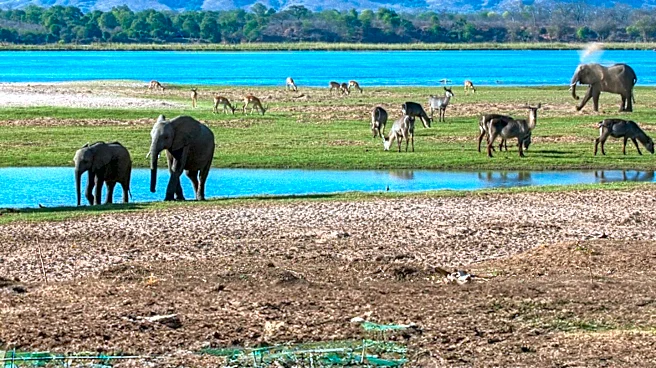
between wildlife and human communities. Reports indicate that elephants, buffaloes, and hippos have already been observed moving into residential areas and the central business district of Victoria Falls in search of food and water. The Zimbabwe Parks and Wildlife Management Authority (ZimParks) is prioritizing species with high water requirements, particularly elephants, which are frequently involved in human-wildlife conflicts. ZimParks spokesperson Luckmore Safuli stated that the authority is tracking animal movements and monitoring water point usage to assess wildlife responses to changing conditions. The monitoring program includes tracking collared animals, evaluating wildlife activity at waterholes, and conducting annual dry-season waterhole counts in major national parks like Hwange and Mana Pools. These assessments aim to provide data for guiding conservation efforts and conflict prevention measures. Beyond terrestrial wildlife, aquatic ecosystems and wetland-dependent bird species, especially endangered ones, are also under close watch.
Why It's Important?
The enhanced surveillance by Zimbabwean wildlife authorities is crucial for mitigating the severe impacts of the anticipated El Niño-induced drought on both wildlife and human populations. The increasing pressure on natural resources, as evidenced by animals venturing into urban areas, highlights the delicate balance between conservation and community safety. Prioritizing water-dependent species like elephants is vital not only for their survival but also for reducing human-wildlife conflict, which can have devastating consequences for both parties. The data collected from tracking animal movements and waterhole usage will inform critical conservation strategies, allowing authorities to implement timely interventions such as emergency captures if migration becomes difficult for aquatic species. This proactive approach aims to prevent widespread wildlife mortality and minimize the risks to communities living near conservation areas, underscoring the importance of early warning systems and responsible management of shared resources in the face of climate change.
What's Next?
ZimParks will continue its monitoring program, focusing on tracking collared animals, assessing waterhole activity, and conducting dry-season waterhole counts. The information gathered will be used to guide conservation and conflict-prevention measures. If water levels continue to decline, emergency management interventions, such as the capture and relocation of species like hippopotamuses, crocodiles, and fish, may be activated. The authority will also maintain its monitoring of livestock movements and enforce restrictions to prevent domestic animals from entering protected park estates, thereby minimizing competition for resources between livestock and wildlife. The effectiveness of these interventions will be critical in protecting wildlife populations and reducing risks to communities as drought conditions are expected to intensify. Continued emphasis will be placed on early warning systems and responsible water resource management.
Beyond the Headlines
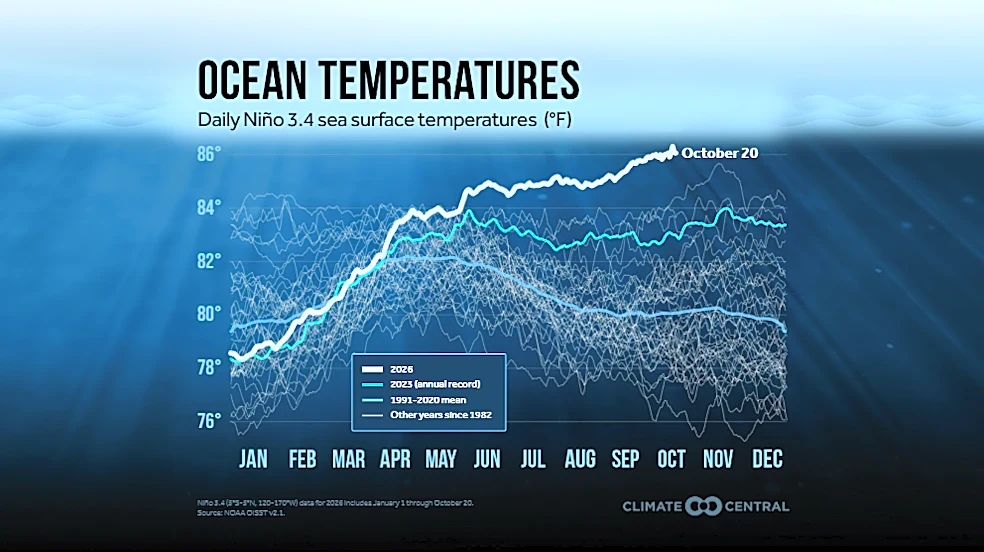
The situation in Zimbabwe underscores the broader global challenge of climate change and its profound impact on biodiversity and human-wildlife coexistence. The El Niño phenomenon, exacerbated by climate change, is intensifying drought conditions, pushing wildlife into closer contact with human settlements. This not only threatens endangered species but also creates significant social and economic challenges for local communities, who face increased risks to their safety and livelihoods. The ethical dimension of managing wildlife populations during severe environmental stress, including potential emergency interventions like animal relocation, raises complex questions about conservation strategies. Furthermore, the need for international cooperation and funding for climate adaptation and wildlife conservation in vulnerable regions like Zimbabwe becomes more apparent, highlighting the interconnectedness of environmental, social, and economic well-being on a global scale.