





What's Happening?
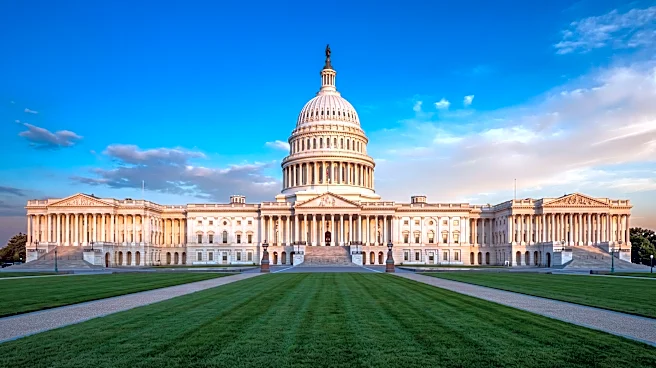
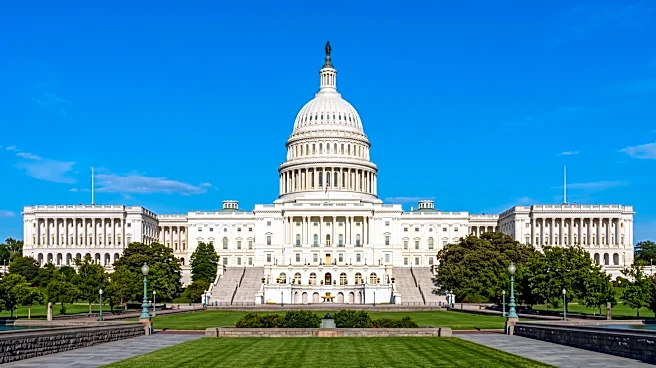
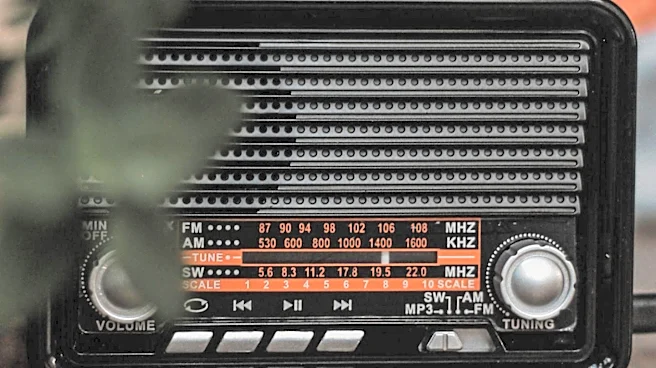
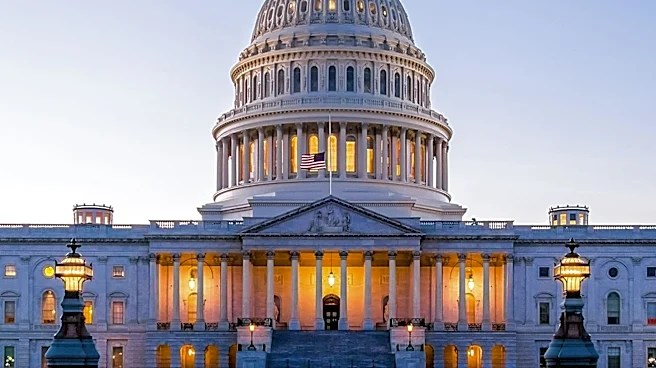
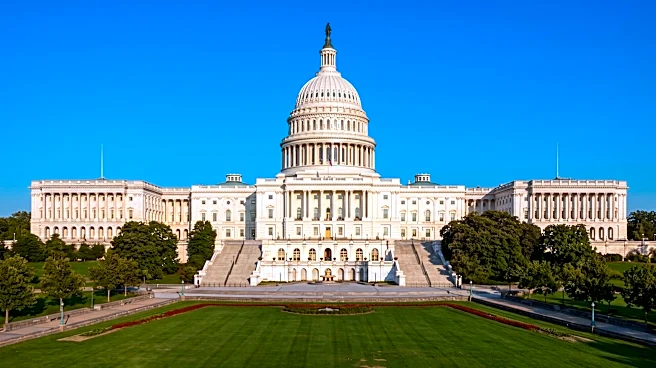
The U.S. House of Representatives has passed a bill that would mandate the inclusion of AM radios in new cars. This legislative action is driven by concerns over maintaining public access to emergency alerts and ensuring a diversity of programming, particularly
in rural areas. The measure aims to counteract a trend among some automakers to remove AM radio capabilities from their vehicles, often citing cost or technological advancements. Proponents of the bill argue that AM radio remains a vital communication channel during emergencies, especially when other forms of communication, such as cell service or internet, may be disrupted. The bill now moves forward in the legislative process, reflecting a broader effort to safeguard traditional broadcasting methods for public safety and informational purposes.
Why It's Important?
This bill holds significant importance for public safety, emergency preparedness, and the broadcasting industry in the U.S. AM radio has historically served as a critical component of the national emergency alert system, capable of broadcasting over long distances and often remaining operational during power outages or natural disasters when other communication infrastructure fails. Its removal from new vehicles could create significant gaps in emergency communication, potentially leaving communities, particularly those in remote or underserved areas, without crucial information during crises. For the broadcasting industry, the mandate provides a lifeline to AM radio stations, many of which are local and serve specific community needs, including diverse programming. Without this mandate, the decline in AM radio presence in new cars could accelerate, leading to financial challenges for stations and a reduction in local news and information sources. This legislation underscores the ongoing debate about the role of traditional media in an increasingly digital world and the government's responsibility to ensure equitable access to essential services.
What's Next?
Following its passage in the House, the bill will now proceed to the Senate for consideration. If passed by the Senate, it would then require presidential assent to become law. The legislative journey could involve further debate, amendments, and potential challenges from automotive manufacturers who may argue against the mandate due to design constraints, cost implications, or the availability of alternative communication technologies. Stakeholders, including emergency management agencies, consumer advocacy groups, and the broadcasting industry, will likely continue to lobby for its passage, emphasizing the public safety benefits. Conversely, some in the automotive sector may advocate for flexibility, proposing alternative solutions for emergency communication in vehicles. The outcome will determine the future of AM radio's presence in new cars and could set a precedent for how traditional technologies are preserved in the face of rapid technological advancement.
Beyond the Headlines
The debate surrounding AM radio in new cars touches upon deeper implications concerning technological obsolescence, digital divides, and the role of government in preserving essential services. While modern vehicles increasingly integrate advanced digital communication systems, the reliability and accessibility of AM radio, particularly in scenarios where digital infrastructure is compromised, highlight its unique value. This situation also brings to light the potential for a 'digital divide' in emergency preparedness, where individuals with newer vehicles lacking AM radio might be at a disadvantage compared to those with older models or separate AM receivers. Furthermore, the bill implicitly acknowledges the cultural and community significance of local AM radio stations, which often provide hyper-local news, diverse cultural programming, and a platform for community engagement that might not be replicated by national or digital alternatives. The legislative effort reflects a broader societal challenge of balancing technological progress with the preservation of proven, accessible, and resilient communication methods for the public good.