



What's Happening?
Walmart has initiated a recall of specific fresh and frozen shrimp products sold under both private-label and national brands. This recall was prompted by routine testing and consumer complaints that identified potential contamination with pathogens,
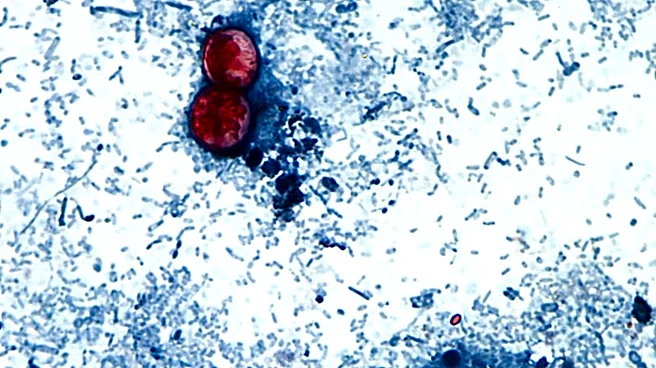
such as Salmonella or Listeria, or undeclared allergens. The affected products include various SKUs, lot codes, package sizes, and UPCs, and were distributed to Walmart stores and fulfillment centers across multiple states. Some of these products were also sold through third-party delivery platforms and club-store formats. The FDA has issued alerts detailing the specific health hazards associated with these products, advising consumers against consumption even if the shrimp appears normal. Walmart has removed the items from its shelves and updated its online inventory to prevent further sales.
Why It's Important?
This recall highlights significant food safety concerns within the U.S. food supply chain, particularly for imported seafood, which is a high-volume category. Contaminated shrimp can lead to severe foodborne illnesses, with symptoms including nausea, vomiting, diarrhea, abdominal cramps, fever, and chills. Vulnerable populations, such as young children, older adults, pregnant women, and individuals with weakened immune systems, face a higher risk of severe complications, including hospitalization and bloodstream infections. The incident underscores the critical role of regulatory bodies like the FDA in monitoring product safety and the responsibility of retailers like Walmart in responding swiftly to protect public health. It also emphasizes the importance of robust testing protocols and consumer complaint mechanisms in identifying and mitigating potential health risks from food products.
What's Next?
Consumers who have purchased the recalled shrimp products are advised to immediately stop using them. They should check the package for the recalled lot number and UPC and either return the product to the store for a full refund or dispose of it in a sealed bag to prevent accidental consumption by others. Walmart is cooperating with the FDA, offering refunds, and updating its internal systems to block further sales of the affected lots. The company is also sending alerts to customers who purchased these items through their Walmart account or app. The FDA will continue to classify the recall based on the severity of the health risk and monitor the situation. Retailers and suppliers are expected to continue coordinating to trace the lot history back to the processing facility and update their online marketplaces to prevent further sales.
Beyond the Headlines
This recall is part of a broader pattern of seafood recalls in the U.S., reflecting ongoing challenges in ensuring the safety of imported food products. The FDA's import screening primarily focuses on residue testing, pathogen checks, and label compliance, but incidents like this demonstrate that gaps can still exist. The event could lead to increased scrutiny of seafood import regulations and potentially stricter testing requirements for high-volume categories like shrimp. It also raises questions about the effectiveness of current supply chain transparency and traceability systems, especially with the involvement of third-party delivery platforms. For consumers, it reinforces the need for vigilance regarding food product recalls and understanding the potential health risks associated with contaminated food, particularly for at-risk groups.