

What's Happening?
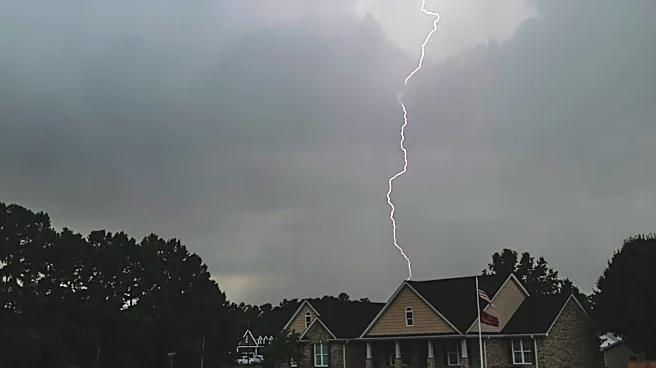
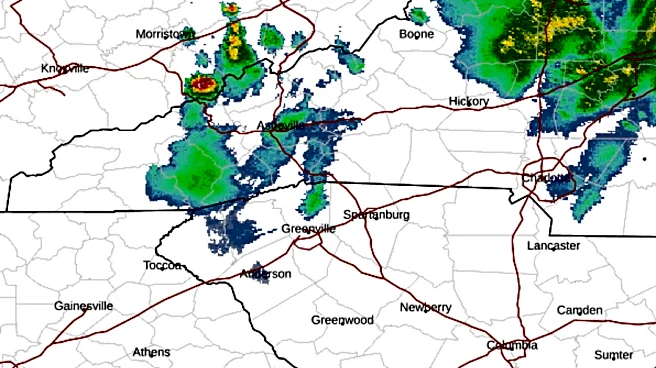
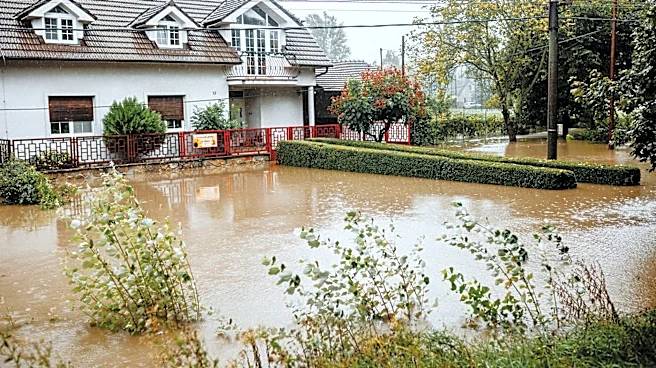
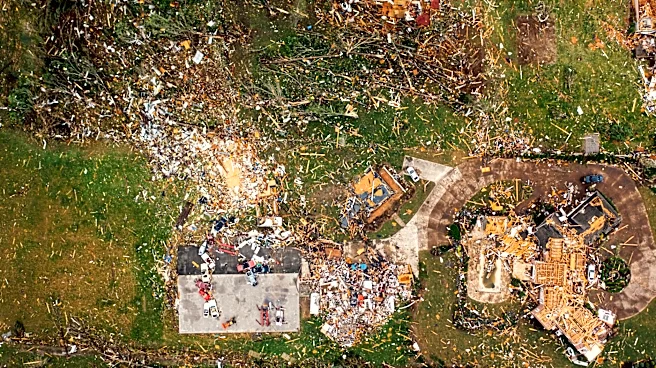
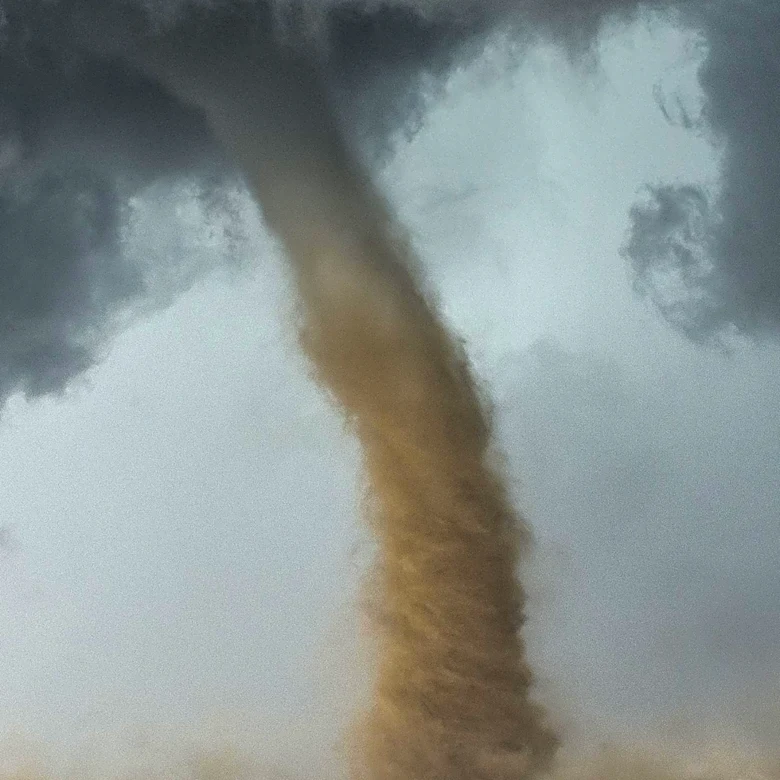
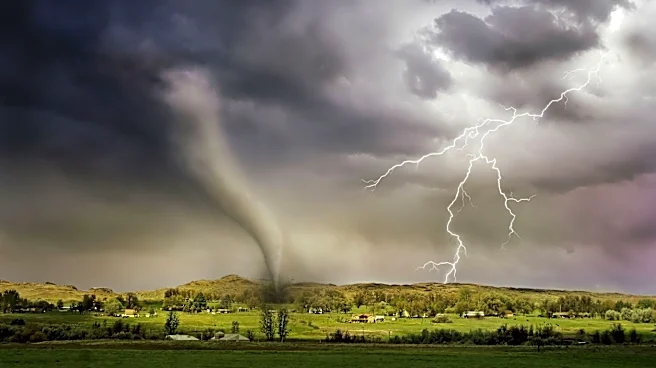
A powerful line of storms swept through Buncombe County, North Carolina, causing significant disruptions and damage. Residents in areas such as Biltmore Lake, Haw Creek, and South Asheville reported experiencing some of the strongest winds in years, with
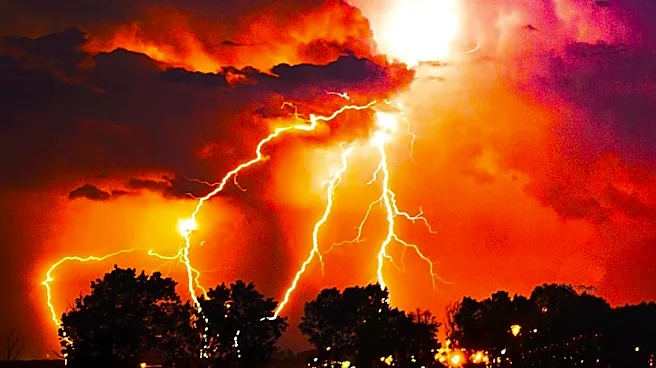
the storm arriving unexpectedly after calm conditions. The storm brought intense wind, heavy rain, and frequent lightning, leading to widespread power outages and downed trees. Duke Energy reported 309 active outages affecting 2,643 customers in Buncombe County. Crews are working to restore power and assess damage, urging residents to avoid downed power lines. The National Weather Service indicated that the cold front responsible for the storms has moved south, bringing cooler and drier air to the region.
Why It's Important?
The storm's impact highlights the vulnerability of infrastructure to severe weather events, which can disrupt daily life and pose safety risks. Power outages affect thousands of residents, emphasizing the need for robust emergency response and infrastructure resilience. The storm also serves as a reminder of the increasing frequency and intensity of weather events, potentially linked to broader climate patterns. Communities must prepare for such occurrences to minimize damage and ensure public safety. The restoration efforts by Duke Energy are crucial for returning normalcy to affected areas, and the event underscores the importance of effective communication and preparedness in managing natural disasters.
What's Next?
As cleanup and power restoration efforts continue, residents can expect a temporary reprieve from severe weather with cooler temperatures and lower humidity. However, rain chances are expected to return over the weekend as another weather system approaches, potentially bringing additional showers and thunderstorms. Forecasters warn that if the system stalls, heavy rainfall could become a concern, necessitating continued vigilance and preparedness from residents and local authorities. The situation calls for ongoing monitoring and readiness to respond to further weather-related challenges.