


What's Happening?
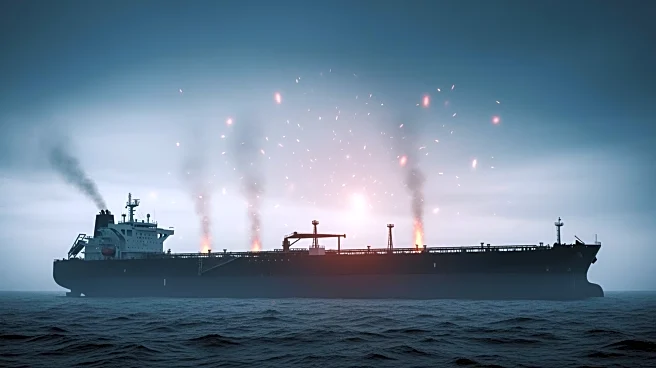
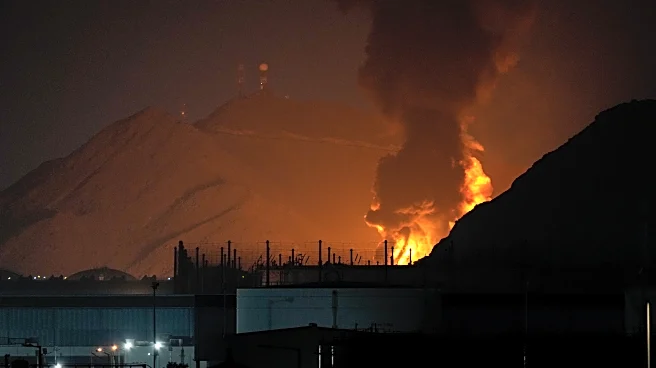
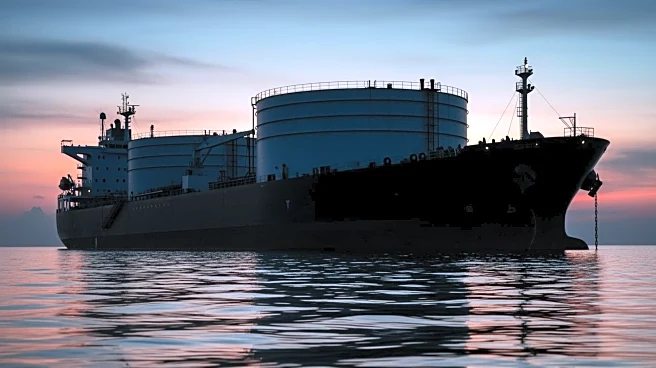
An oil tanker named Sonangol Namibe suffered an explosion off the coast of Iraq, marking a significant escalation in maritime risks within the Persian Gulf. The incident occurred near Khor Al Zubair, Iraq, when the tanker was approached by a small boat,
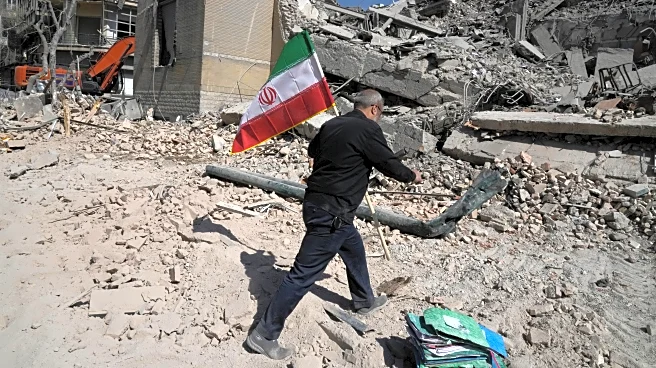
followed by a loud explosion. This event is notable as it represents the farthest north that vessels have been targeted since the onset of the Middle East conflict involving the United States and Israel against Iran. The explosion damaged a ballast tank, which is crucial for the vessel's stability, but fortunately, there were no reports of oil pollution as the tanker was not carrying cargo at the time. The Islamic Revolutionary Guards Corps Navy of Iran is reported to have struck the tanker, although the vessel was not identified by Iranian sources. This incident follows a series of attacks on vessels in the region, including a recent strike on a container ship in the Strait of Hormuz.
Why It's Important?
The explosion of the Sonangol Namibe underscores the increasing risks to maritime operations in the Persian Gulf, a critical region for global oil transportation. The incident highlights the vulnerability of shipping lanes amid escalating tensions in the Middle East, which could have significant implications for global oil supply and prices. The targeting of vessels in this strategic area could lead to increased insurance costs and heightened security measures for shipping companies operating in the region. Additionally, the involvement of the Islamic Revolutionary Guards Corps Navy in the attack may further strain diplomatic relations between Iran and other countries, particularly those with vested interests in the stability of the Gulf's shipping routes. The ongoing conflict and its impact on maritime security could also influence U.S. foreign policy and military strategy in the region.
What's Next?
In response to the growing threat to maritime security, shipping companies and international stakeholders may need to reassess their risk management strategies and enhance protective measures for vessels operating in the Persian Gulf. This could involve increased naval patrols and collaboration with regional allies to ensure the safety of shipping lanes. Additionally, the incident may prompt further diplomatic efforts to de-escalate tensions in the Middle East and prevent further disruptions to global oil supply chains. The international community will likely monitor the situation closely, as any escalation could have broader implications for global trade and energy markets.