





What's Happening?
The increasing use of artificial intelligence (AI) in educational settings is prompting discussions about its impact on teaching and learning. AI tools can provide personalized tutoring, instant feedback, and adaptive learning experiences, offering potential
benefits for overburdened classrooms. However, concerns are emerging about the potential loss of human interaction and the importance of maintaining relationships in education. Experts emphasize that while AI can support learning, it cannot replace the emotional and relational aspects of teaching that are crucial for student development.
Why It's Important?
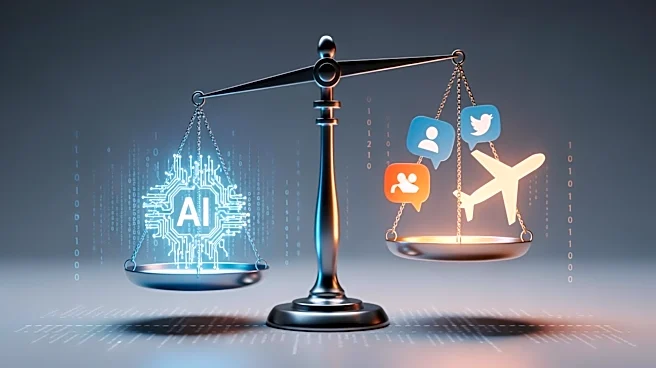
The integration of AI in education highlights a critical balance between technological advancement and the preservation of human elements in teaching. As AI tools become more prevalent, educators and policymakers must consider how to harness their benefits without compromising the essential human connections that support learning. This discussion is part of a broader conversation about the ethical implications of AI in society and the need to ensure that technology enhances rather than diminishes human experiences.
What's Next?
As AI continues to evolve, educational institutions may need to establish guidelines and policies to ensure its responsible use. Ongoing research and dialogue will be essential to understanding AI's impact on education and developing strategies that prioritize human relationships. Educators and technologists may collaborate to design AI tools that complement rather than replace traditional teaching methods, ensuring that students receive both technological and human support in their learning journeys.