







What's Happening?
Michigan state regulators have approved a $139.2 million annual natural gas rate increase for Consumers Energy, impacting 1.8 million customers across the state. This approved amount is a 42% reduction from the utility's initial request of $240 million.
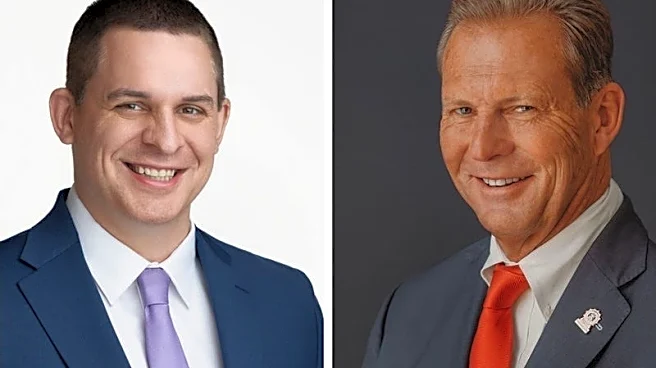
Starting November 1, households are projected to see an average increase of $4 per month on their natural gas bills, representing a 4.3% rate hike. The Michigan Public Service Commission (MPSC) also approved a 9.8% return on equity for Consumers Energy, which is the utility's profit margin on capital investments. Consumers Energy stated the increase is necessary to fund investments in the safety and reliability of its natural gas system, including projects to replace aging gas mains and service lines. However, Michigan Attorney General Dana Nessel intervened, urging regulators to significantly reduce the requested hike, citing instances where the company allegedly inflated capital spending projections and included unreasonable profit margins.
Why It's Important?
This rate hike will directly impact the household budgets of 1.8 million natural gas customers in Michigan, adding to the financial burden for families already facing rising energy costs. The decision highlights the ongoing tension between utility companies seeking to fund infrastructure improvements and consumer advocates pushing for affordable energy. The Attorney General's intervention underscores concerns about the transparency and justification of utility rate increase requests, suggesting potential for inflated costs and excessive profit margins. This situation reflects a broader national debate on energy affordability, infrastructure investment, and regulatory oversight of utility companies. The approval of a 9.8% return on equity also raises questions about the balance between ensuring utility profitability and protecting consumer interests, potentially setting a precedent for future rate cases in the state.
What's Next?
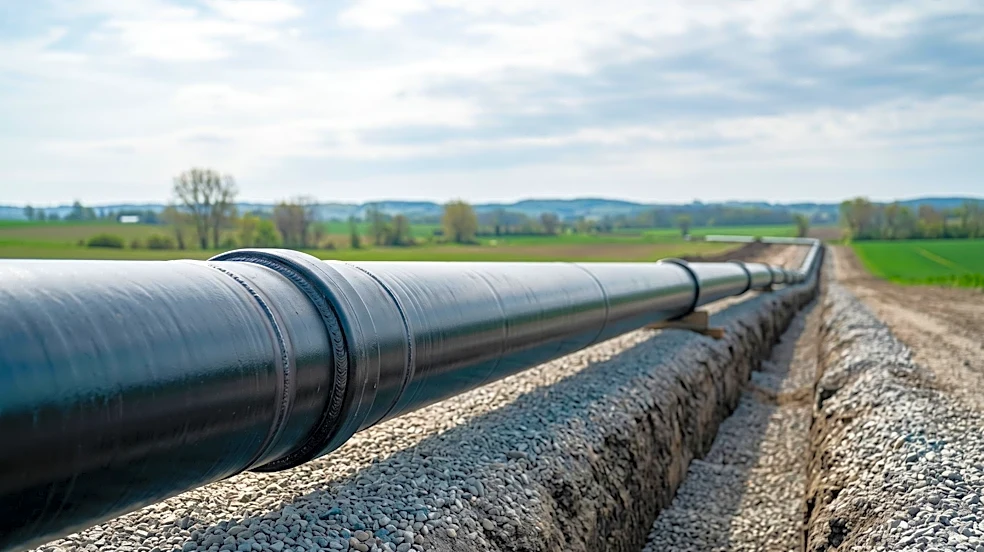
Consumers Energy customers will begin to see the 4.3% rate increase on their natural gas bills starting November 1. The Michigan Attorney General's office has indicated a continued focus on scrutinizing utility rate hike requests, suggesting that similar interventions may occur in future cases involving other energy providers like DTE and Upper Peninsula Power Company, which currently have rate hike requests pending before the MPSC. Michigan lawmakers are also reportedly pushing for measures to rein in energy rates and hold utility companies more accountable, indicating potential legislative action to address the broader issue of rising energy costs. The MPSC will likely continue to review utility spending and project justifications more rigorously, as evidenced by their rejection of Consumers Energy's $7.9 million request for transmission pipeline integrity work due to a 'pattern of over-projecting of costs and under-spending.'
Beyond the Headlines
The recurring nature of utility rate hikes, as highlighted by Attorney General Nessel's statement that customers constantly ask when their energy bills will stop climbing, points to a systemic issue within the current regulatory framework. The allegations of 'inappropriate' expenses, such as private jet travel and executive incentive compensation tied to maximizing shareholder returns, raise ethical questions about how utility companies allocate funds and whether these expenditures truly serve the public interest. This situation could fuel public demand for more stringent oversight and potentially lead to reforms in how utility rate increases are approved and how utility companies are held accountable for their spending. The long-term implications could include a re-evaluation of the balance between shareholder profits and consumer affordability in regulated industries, potentially leading to new policies aimed at protecting consumers from what some perceive as unchecked corporate spending.