



What's Happening?
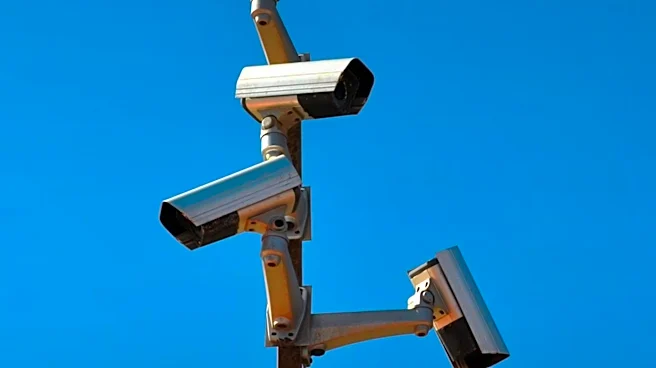
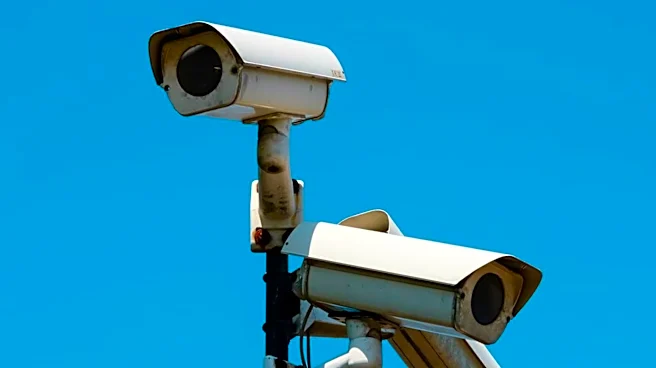
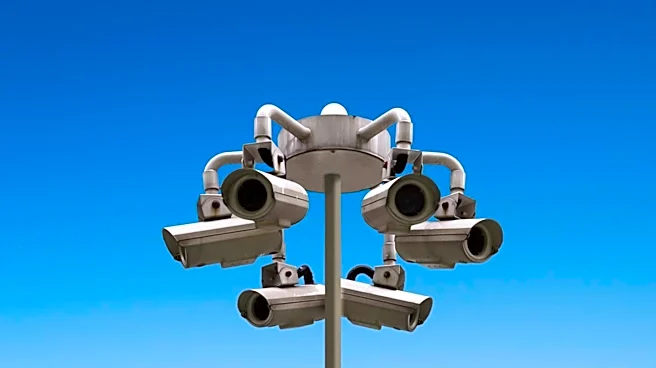
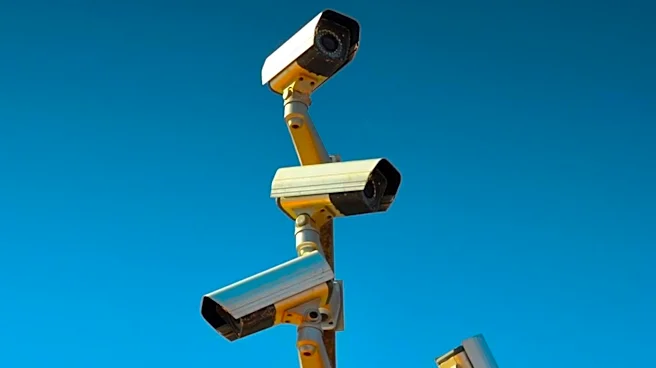
Utah lawmakers are preparing new regulations for automated license plate readers, commonly known as Flock cameras, in response to growing concerns over privacy and misuse. Governor Spencer Cox expressed deep concern after an investigation by the Utah Civic
Compact revealed that nearly 97% of searches in Weber County's Flock database originated from law enforcement agencies outside of Utah. Current Utah law restricts searches of these databases to active criminal investigations, outstanding warrants, or to locate missing persons or stolen vehicles. However, reports from other states indicate instances where police officers have allegedly used Flock camera data for personal reasons, not official duties. Senator Calvin Musselman, chair of the Law Enforcement and Criminal Justice Interim Committee, acknowledged the technology's value for law enforcement but also recognized legitimate privacy concerns. The proposed bill aims to implement additional regulations for various technologies used by law enforcement, including license plate cameras. The Utah Privacy Governing Board and the Utah Privacy Commission are currently reviewing all regulations and investigating local agencies' use of these cameras, with Governor Cox indicating support for legislation to address any identified gaps.
Why It's Important?
The push for new regulations on Flock cameras in Utah highlights a critical tension between public safety and individual privacy rights in the digital age. The widespread deployment of automated license plate readers, while offering law enforcement a powerful tool for crime solving and prevention, also raises significant questions about data ownership, access, and potential for abuse. The revelation that out-of-state agencies conducted a vast majority of searches in a Utah database underscores the need for clear jurisdictional boundaries and robust data governance. This situation could set a precedent for how other states approach the regulation of surveillance technologies, influencing the balance between security measures and civil liberties nationwide. For citizens, the outcome will determine the extent to which their movements are tracked and how securely their data is protected from unauthorized access or misuse. For law enforcement, the challenge lies in maintaining effective crime-fighting capabilities while adhering to stricter privacy protocols and rebuilding public trust.
What's Next?
Utah lawmakers are expected to introduce a bill proposal to strengthen privacy guardrails on automated license plate readers in the upcoming legislative session. The Utah Privacy Governing Board and the Utah Privacy Commission are actively conducting a comprehensive review of existing regulations and local agency practices regarding Flock cameras. This review aims to objectively gather facts, distinguishing between actual law enforcement practices, the system's capabilities, and features that may not exist. Christopher Bramwell, Utah's chief privacy officer, noted the complexity of this task, as license plate readers are used in various contexts beyond law enforcement, including higher education and the Utah Inland Port Authority. The review is anticipated to produce recommendations for additional protections or guardrails. Meanwhile, law enforcement leaders, represented by the Utah Law Enforcement Legislative Committee, have expressed their commitment to responsible use of the technology and advocate for its continued presence in the state, emphasizing that Utah can protect both public safety and individual rights.
Beyond the Headlines
The debate surrounding Flock cameras in Utah extends beyond immediate legislative action, touching upon deeper ethical and societal implications of pervasive surveillance technology. The concern over data ownership—whether it resides with Utah agencies or third-party vendors—highlights the broader challenge of controlling information in an increasingly interconnected world. The potential for vendors to use collected data to train artificial intelligence models, even if not currently confirmed, raises questions about future applications of this data and the ethical boundaries of AI development. This situation also underscores the evolving nature of privacy in an era where data collection is ubiquitous. Utah, being the only state with a comprehensive government data privacy law, is at the forefront of grappling with these issues, potentially influencing national conversations about data privacy, cybersecurity, and the responsible integration of advanced technologies into public life. The outcome in Utah could shape how other jurisdictions balance technological advancement with fundamental rights.