







What's Happening?
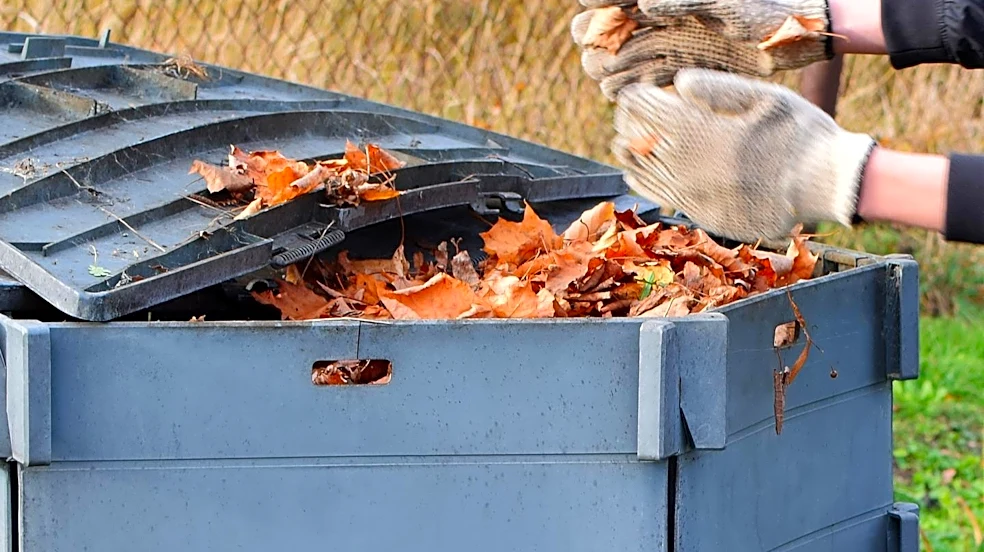
The Environmental Protection Agency (EPA) advises home composters to maintain a specific ratio of carbon-rich brown materials to nitrogen-rich green materials for effective composting. The recommended ratio is approximately two to three parts brown materials,
such as shredded fall leaves, for every one part green materials, like kitchen scraps. This balance is crucial for preventing odors and creating healthier compost. Brown materials provide carbon, an energy source for decomposers, while green materials supply nitrogen, essential for microbial growth. Combining these in the correct proportions allows microorganisms to break down organic matter more efficiently. The EPA also suggests avoiding meat, dairy products, and greasy foods in compost piles to prevent odors and deter pests. Additionally, shredding leaves before adding them increases surface area for decomposition, and burying kitchen scraps within the pile helps prevent attracting unwanted animals. Proper moisture levels, similar to a wrung-out sponge, and regular turning of the pile to ensure airflow are also vital for successful composting.
Why It's Important?
This guidance from the EPA is important for U.S. households and gardeners as it promotes sustainable waste management practices and enhances soil health. By effectively composting kitchen scraps and yard waste, individuals can reduce the amount of organic material sent to landfills, thereby decreasing methane emissions, a potent greenhouse gas. The resulting nutrient-rich compost improves soil structure, moisture retention, and overall garden health, reducing the need for synthetic fertilizers and pesticides. This has economic benefits for gardeners, lowering costs associated with soil amendments, and environmental benefits by fostering healthier ecosystems. The recommendations also address common composting challenges, such as odors and pests, making the process more accessible and appealing to a wider audience. Adopting these practices contributes to a circular economy model where waste is transformed into a valuable resource, supporting local food systems and environmental stewardship.
What's Next?
Home composters can immediately implement the EPA's recommendations by adjusting their brown-to-green material ratios and incorporating best practices for moisture and aeration. Many communities and gardening organizations offer workshops and resources on composting, which may see increased interest following such guidelines. Manufacturers of composting bins and tools might highlight products that facilitate these recommended practices, such as leaf shredders or compost aerators. Educational campaigns from environmental agencies and gardening associations could further disseminate this information, encouraging more households to adopt or improve their composting habits. Over time, a broader adoption of these composting techniques could lead to a noticeable reduction in household organic waste and an increase in the use of homemade compost in gardening and landscaping across the U.S.
Beyond the Headlines
The EPA's detailed composting advice underscores a broader shift towards decentralized waste management and resource recovery at the household level. This initiative moves beyond traditional waste disposal models, empowering individuals to actively participate in environmental conservation. Ethically, it promotes a sense of responsibility for one's waste and its potential impact. Culturally, it could foster a greater connection to gardening and sustainable living, integrating practices like composting into daily routines. Long-term, widespread adoption of effective home composting could contribute to a more resilient food system by improving soil fertility and reducing reliance on industrial agricultural inputs. It also highlights the scientific principles behind decomposition, turning what might seem like a simple act into a practical application of ecological knowledge, ultimately contributing to healthier communities and a more sustainable environment.