




What's Happening?
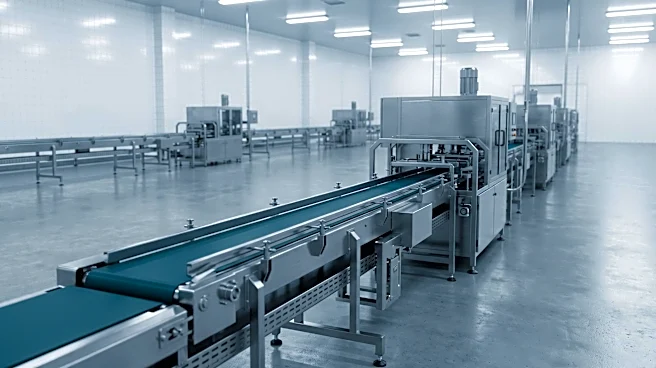
Wake Forest University in Winston-Salem, North Carolina, has inaugurated its new Nano and Quantum Technologies Laboratory (NanoteQ), featuring the university's first ISO Class 5 cleanroom. This state-of-the-art facility is designed to support advanced
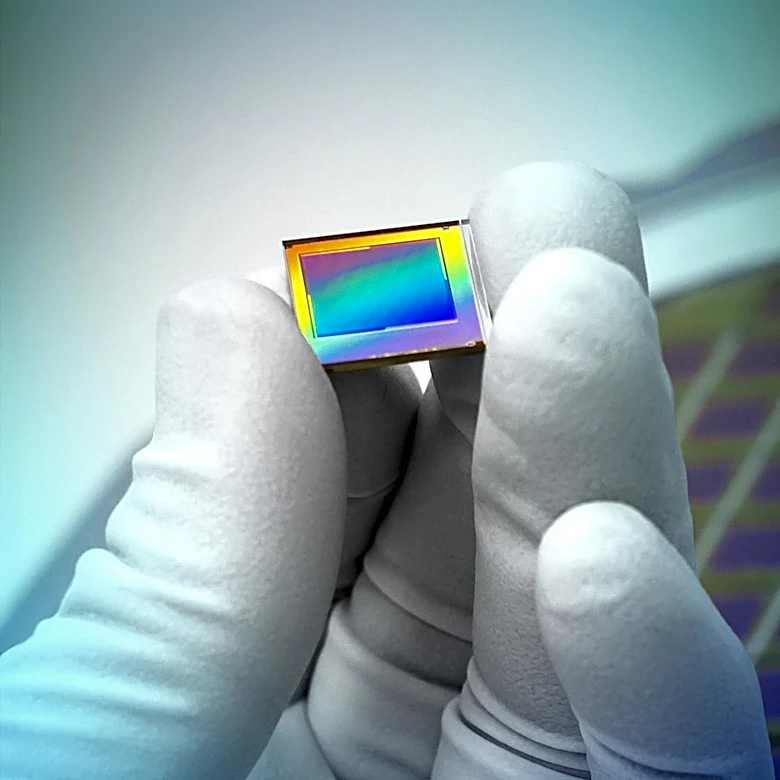
research into silicon-based qubits, quantum materials, and room-temperature quantum processors. The cleanroom provides a highly controlled environment to minimize environmental contamination, which is crucial for the precise fabrication and characterization of nanoscale materials and quantum circuits where even minute impurities can affect reproducibility. Led by Professor of Physics David Carroll, NanoteQ also houses advanced microscopy and spectroscopy equipment, enabling researchers to investigate material properties alongside cleanroom work. The laboratory will serve undergraduate and graduate students, postdoctoral researchers, faculty, guest scientists, and corporate partners.
Why It's Important?
This opening is a significant development for U.S. scientific research and technological innovation, particularly in the burgeoning field of quantum computing. With fewer than 100 universities across the U.S. operating ISO Class 5 research cleanrooms, Wake Forest University is positioning itself as a key player in quantum technology development. The facility will foster the creation of next-generation electronics and quantum processors that can operate at room temperature, a critical step towards making quantum computing more accessible and practical. This investment will not only advance fundamental research but also provide hands-on experience for a new generation of scientists and engineers, addressing the growing demand for skilled professionals in quantum and nanotechnology. It also facilitates collaboration between academia and industry, potentially accelerating the commercialization of quantum technologies.
What's Next?
NanoteQ is expected to become a hub for both academic research and commercial development. Research from its predecessor, the Center for Nanotechnology and Molecular Materials, has already resulted in over 40 global patents and commercial spin-outs, including Quoherent, a company developing room-temperature quantum processing technology. Quoherent scientists will work at NanoteQ, with Professor Carroll serving as co-founder and CTO. The laboratory also aims to provide specialized equipment access to external companies and researchers, fostering a collaborative ecosystem. The combination of the ISO Class 5 cleanroom with advanced spectroscopy is intended to generate more consistent data, moving technologies closer to commercial viability and potentially leading to the integration of quantum bits into everyday devices like smartphones.
Beyond the Headlines
The establishment of NanoteQ reflects a broader national strategy to invest in quantum science and secure a leading position in the global quantum race. The focus on room-temperature quantum processors is particularly noteworthy, as it addresses one of the major hurdles to widespread quantum adoption—the need for extremely cold operating environments. This could democratize access to quantum computing, moving it from specialized labs to more general applications. The emphasis on training students in semiconductor-style fabrication and nanotechnology also highlights a proactive approach to workforce development, ensuring the U.S. has the talent pool necessary for future technological leadership. This initiative underscores the critical role of universities in driving both fundamental discovery and practical innovation, bridging the gap between scientific breakthroughs and market-ready solutions.