




What's Happening?
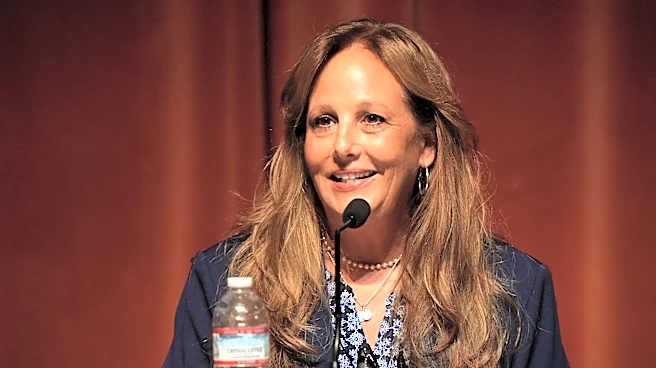
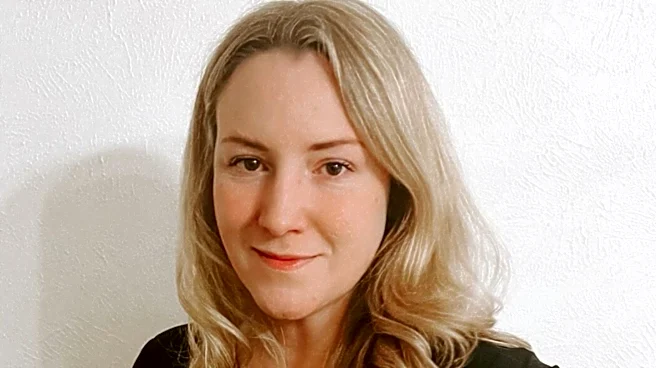
Francisco Silva, President and CEO of the California Primary Care Association (CPCA), discussed the critical state of healthcare in California, particularly the challenges faced by community health centers due to massive federal spending cuts. These centers,
which serve a significant portion of the state's Medi-Cal patients and uninsured individuals, are at risk of having their ability to provide care severely impacted. Silva highlighted that the January budget proposed a $1 billion cut to health centers. The CPCA successfully advocated against several proposed cuts in the current budget cycle, including those to acupuncture, the navigator program, dental care for undocumented immigrants, and the Program of All-Inclusive Care for the Elderly (PACE). However, the organization is now grappling with the potential impacts of H.R. 1, which includes work requirements and redetermination processes that could lead to 1.5 to 3 million Californians losing health coverage. The CPCA is also actively involved in ballot initiatives, opposing Proposition 40, which proposes a one-year tax on billionaires, and supporting Proposition 3, which aims to make permanent the state's top marginal tax rates on higher incomes.
Why It's Important?
The issues raised by Francisco Silva are crucial for the health and well-being of millions of Californians, especially vulnerable populations. Community health centers are foundational to the state's healthcare system, providing care regardless of coverage and serving as medical homes for a large segment of Medi-Cal beneficiaries. Federal and state funding cuts, coupled with the implications of H.R. 1, threaten to reverse the significant gains made in healthcare access since the Affordable Care Act. A reduction in primary care services could lead to increased reliance on more expensive emergency room care, straining the entire system. The CPCA's engagement with ballot initiatives underscores the direct link between state fiscal policy and healthcare access. The debate over Proposition 40 and Proposition 3 reflects differing approaches to generating revenue to sustain essential services, with long-term consequences for the state's budget and its ability to fund healthcare, education, and other social programs.
What's Next?
The CPCA's immediate focus is on minimizing the impact of H.R. 1, particularly preventing people from losing coverage due to work requirements and redetermination processes. They are also actively working to explore other revenue sources for the state, including supporting Proposition 3 to maintain existing tax rates and advocating for a budget fair share tax proposal for companies with many employees on Medi-Cal. The organization is also open to exploring flexibility with the Managed Care Organization (MCO) tax. The outcomes of Proposition 3 and Proposition 40 in upcoming elections will significantly influence California's fiscal capacity to fund healthcare. The CPCA is also considering a 'plan B' for uncompensated care, potentially involving an alternative product similar to Covered California but with different reimbursement rates, to preserve the healthcare infrastructure built over the last 15 years.
Beyond the Headlines
The challenges faced by California's community health centers and the broader healthcare system highlight a fundamental societal question: how to ensure equitable access to healthcare, especially for the most vulnerable, amidst fluctuating federal and state funding. The CPCA's model, where the majority of board members are patients and community health workers are integrated into the system, demonstrates a deep commitment to community trust and culturally competent care. This approach is particularly vital in diverse communities, including immigrant populations, where fear and distrust of institutions can be significant barriers to seeking care. The debate over funding mechanisms, such as taxing billionaires or maintaining existing tax rates, reflects differing philosophies on wealth distribution and social responsibility. Ultimately, the decisions made regarding healthcare funding and policy in California will not only impact the state's residents but could also serve as a case study for other states grappling with similar issues of healthcare access, equity, and fiscal sustainability.