


What's Happening?
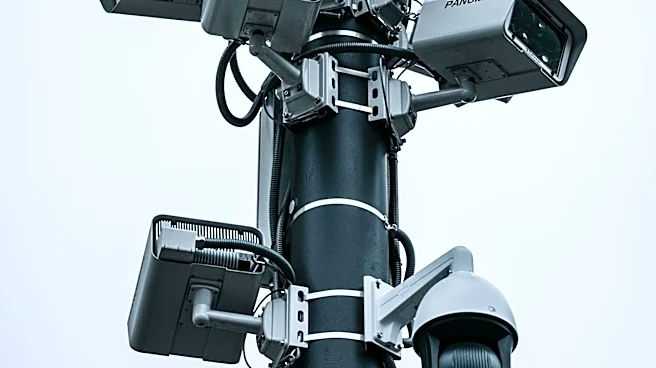
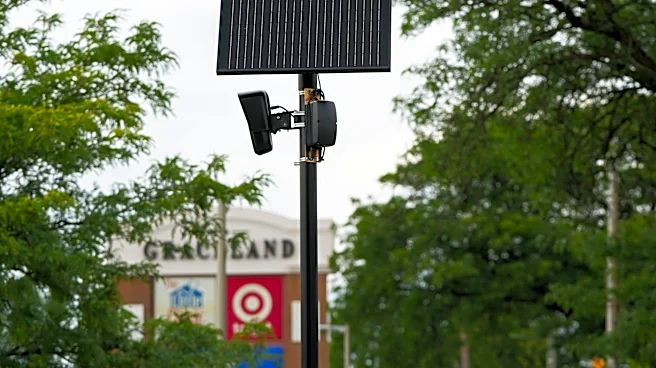
The Fort Wayne City Council has voted against allocating funds for the continued use of Flock cameras by local law enforcement. This decision means that the city will not be dedicating financial resources to support the operation or expansion of these
camera systems in the future. Flock cameras are typically used for license plate recognition and are often deployed by police departments to aid in investigations and crime prevention. The council's vote reflects a specific stance on how public funds should be utilized regarding surveillance technology within the city of Fort Wayne. This development indicates a potential shift in the city's approach to law enforcement technology and its funding priorities.
Why It's Important?
This decision by the Fort Wayne City Council carries significant implications for both law enforcement operations and civil liberties in the community. For law enforcement, the lack of funding for Flock cameras could impact their ability to utilize this specific technology for crime solving and prevention, potentially requiring them to explore alternative methods or reallocate existing resources. From a civil liberties perspective, the council's vote may be seen as a win for privacy advocates who often raise concerns about the widespread use of surveillance technology and its potential for data collection and tracking of individuals. The outcome highlights the ongoing debate in many U.S. cities regarding the balance between public safety measures and individual privacy rights, and how local governments choose to invest in technology that affects both.
What's Next?
Following the Fort Wayne City Council's decision, law enforcement agencies in the city will need to assess their current strategies and potentially adjust their operational plans in light of the defunding of Flock cameras. This could involve evaluating other surveillance technologies, increasing traditional policing methods, or seeking alternative funding sources if they deem the technology essential. Community discussions around privacy and public safety are also likely to continue, with the council's decision potentially setting a precedent for future technology procurement and funding debates. It remains to be seen how this will affect crime rates or public perception of safety in Fort Wayne, and whether other cities will follow suit in re-evaluating their use of similar surveillance systems.
Beyond the Headlines
The Fort Wayne City Council's decision to defund Flock cameras delves into the broader societal conversation about the role of technology in policing and the ethical considerations surrounding surveillance. This move could signal a growing trend among local governments to scrutinize the cost-effectiveness and privacy implications of advanced surveillance tools. It also underscores the power of local legislative bodies to influence the operational capabilities of law enforcement and shape the technological landscape of their communities. The debate often involves balancing the perceived benefits of crime deterrence and investigation with concerns about potential misuse of data, algorithmic bias, and the erosion of civil liberties. This decision in Fort Wayne contributes to the national dialogue on how communities can achieve public safety while upholding democratic values and individual rights.