
What's Happening?
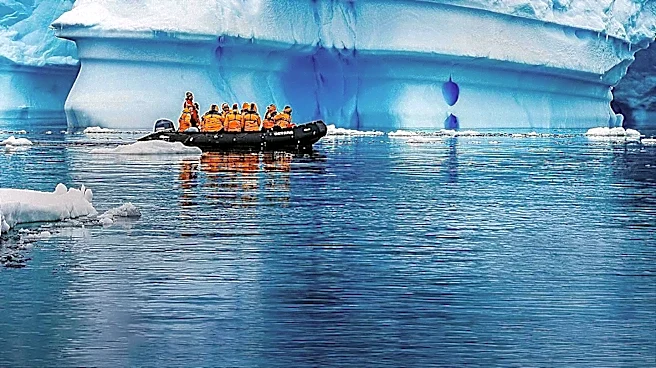
A growing number of Antarctic tour guides are leaving their jobs due to moral conflicts arising from the environmental impact of tourism in the region. A study highlights that over 120,000 tourists visited
Antarctica in the 2025-26 season, with projections of up to 450,000 visitors each summer within a decade. Former guides express concerns about the ecological vulnerability of Antarctica and the significant CO2 emissions associated with cruise tourism. Many guides, who once cherished their roles, found it increasingly difficult to reconcile their work with their environmental values. The study involved interviews with 25 former guides who left their positions, citing the visible impacts of climate change and the ignorance of tourists regarding these effects.
Why It's Important?
The departure of Antarctic tour guides underscores the ethical dilemmas faced by individuals working in environmentally sensitive areas. This trend highlights the broader issue of balancing economic benefits from tourism with environmental preservation. The increasing number of tourists poses a threat to the fragile Antarctic ecosystem, raising questions about sustainable tourism practices. The guides' decisions to leave their jobs reflect a growing awareness and concern about climate change impacts, potentially influencing public perception and policy regarding tourism in ecologically vulnerable regions. This situation also emphasizes the need for stricter regulations and sustainable practices to protect such environments.
What's Next?
As tourism in Antarctica continues to grow, there may be increased pressure on governments and tour operators to implement more sustainable practices. This could involve stricter regulations on the number of visitors, improved environmental education for tourists, and the development of eco-friendly tourism models. The stories of former guides may inspire other industry professionals to advocate for change, potentially leading to a shift in how tourism is conducted in sensitive areas. Additionally, there could be a push for international agreements to protect Antarctica from the adverse effects of mass tourism.
Beyond the Headlines
The moral conflict faced by Antarctic tour guides highlights a broader cultural and ethical shift towards environmental responsibility. This development may influence other industries and regions, encouraging professionals to prioritize environmental ethics over economic gains. The situation also raises questions about the role of individuals in driving systemic change and the personal costs associated with such decisions. As more people become aware of the environmental impacts of their actions, there may be a growing movement towards sustainable living and working practices.