







What's Happening?
Fort Pilar in Zamboanga City, a 17th-century coastal garrison, is undergoing a complex evolution, transforming from a military stronghold to a National Cultural Treasure, a regional museum, and a 24-hour open-air Catholic shrine. The fort, originally
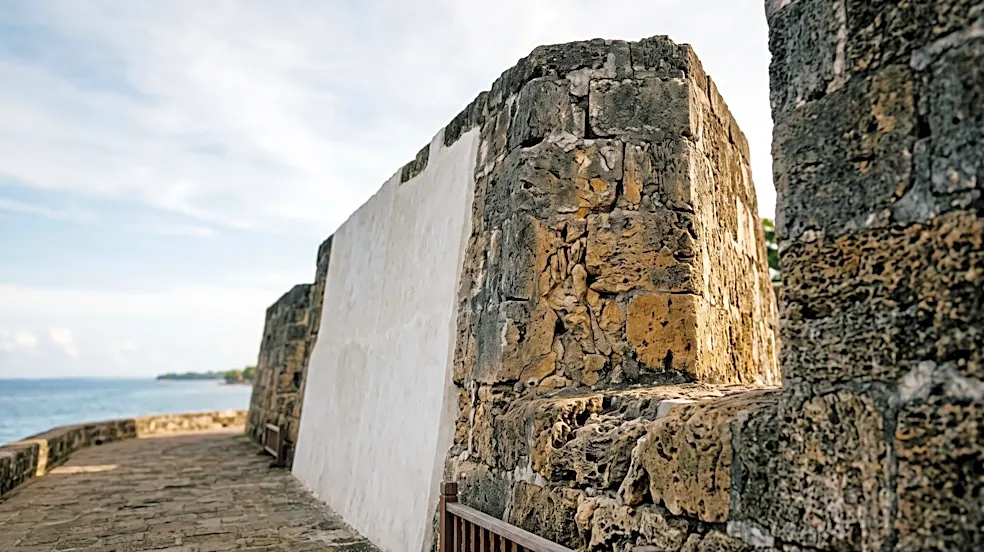
built to repel seaborne attacks, now faces a promenade, altering its historical context. Recent restoration efforts by the National Museum of the Philippines, specifically the plastering and painting of inner walls a flat white, have sparked controversy. Local residents and city officials criticized the move, viewing it as an erasure of the fort's original appearance and a 'crime against heritage.' Conversely, the National Museum and heritage conservationists argue the plaster, or 'paletada,' is a necessary breathable coating to protect the coral bricks from decay, representing correct conservation practice. This debate highlights differing views on historical preservation versus public memory and aesthetic preferences.
Why It's Important?
The situation at Fort Pilar underscores a significant challenge in heritage conservation: balancing expert-driven preservation techniques with public sentiment and the visual memory of a historical site. The controversy reveals a tension between the technical aspects of maintaining ancient structures and the cultural value placed on their perceived authenticity. For the local community, the fort is not merely a historical artifact but a living monument deeply intertwined with their identity and history. The decision to alter its appearance without extensive public consultation has led to accusations of top-down decision-making that disregards local perspectives. This case serves as a microcosm for broader discussions on who holds authority over historical narratives and the physical representation of heritage, and how these decisions impact community engagement and ownership of cultural sites. The fort's dual identity as a military structure and a religious shrine further complicates its interpretation and management.
What's Next?
The ongoing debate surrounding Fort Pilar's restoration is likely to continue, potentially prompting further dialogue between the National Museum of the Philippines, local government, and community stakeholders. Future conservation projects at the fort, and potentially other national cultural treasures, may face increased scrutiny and demands for greater transparency and public involvement. This incident could lead to a re-evaluation of existing heritage conservation policies and practices in the Philippines, emphasizing the need for more inclusive decision-making processes that consider both scientific preservation methods and the cultural and historical significance perceived by the public. The fort's continued function as a museum and a shrine means that its physical state and interpretation will remain subjects of public interest and discussion.
Beyond the Headlines
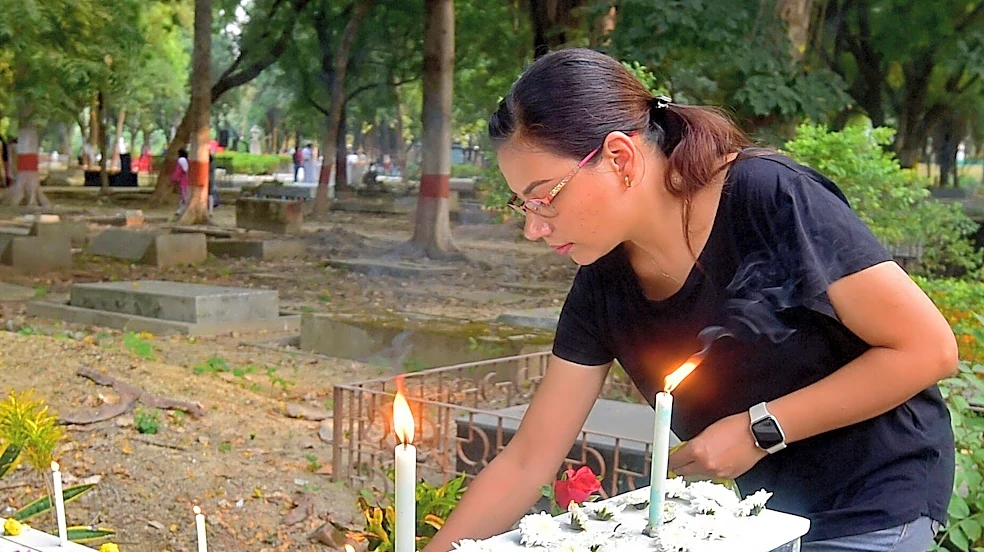
Beyond the immediate controversy, the transformation of Fort Pilar reflects deeper shifts in how historical sites are perceived and utilized in modern society. Originally an instrument of exclusion, the fort now operates as a symbol of openness, accommodating diverse functions from tourism to religious devotion. This inversion challenges the initial intent of its builders and highlights the dynamic nature of heritage. The fort's ability to host both a museum and a continuously active Catholic shrine, where people of different faiths reportedly seek intercession, suggests a complex cultural syncretism that transcends its colonial origins. This layered identity, where military history, religious practice, and modern tourism coexist, offers a rich case study for understanding how built environments evolve to serve new purposes and meanings, often in ways unintended by their original creators. It also raises ethical questions about whose history is prioritized in preservation efforts and how the 'story' of a site is curated for public consumption.