





What's Happening?
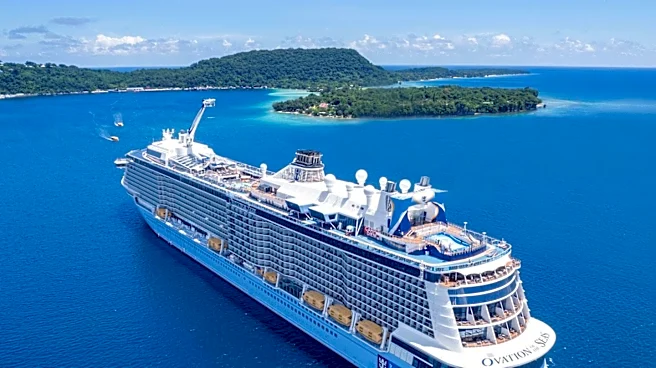
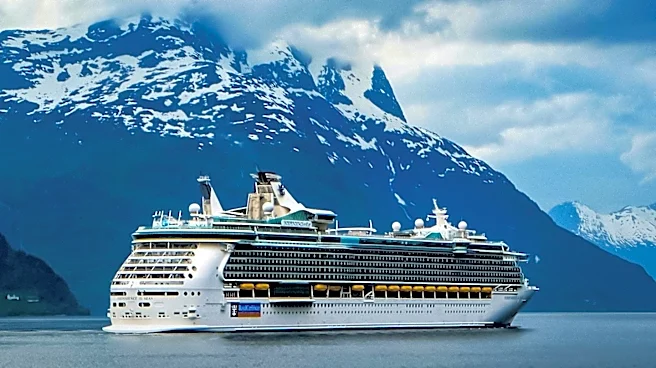
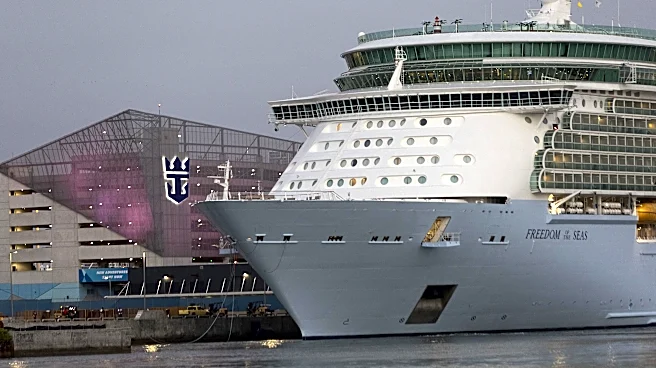
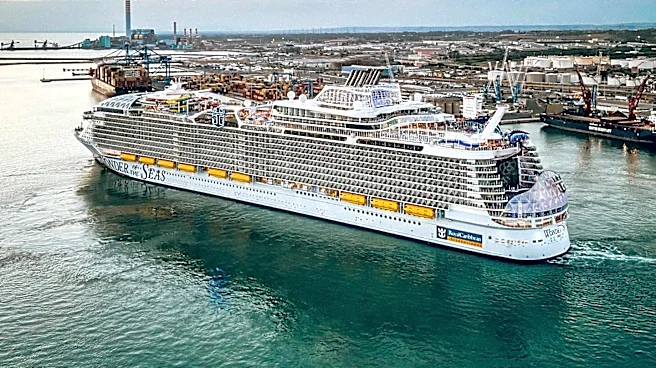
A Royal Caribbean cruise ship employee was rescued by fishermen after spending approximately nine hours in the Pacific Ocean, nearly 20 miles off the California coast. The incident occurred after the man reportedly went overboard from the 'Ovation of the Sea'
cruise ship, which had departed from San Pedro, California, and was en route to Ensenada, Mexico. Fishermen Sean Norton and Grant Garrett discovered the man floating on his back near Catalina Island around midday, indicating he may have entered the water around 2:30 a.m. According to the fishermen, the crew member was in a critical state, shaking uncontrollably and unable to speak, suggesting he was near death. After being pulled from the water, the U.S. Coast Guard was contacted, and Newport Beach Fire Lifeguard Department personnel met the fishing vessel to provide medical treatment. The man was subsequently transported to a hospital, where he is expected to survive. Royal Caribbean Group confirmed the rescued individual was a crew member and stated they are providing support, but declined further details citing privacy concerns. The U.S. Coast Guard has initiated an investigation into the circumstances surrounding how the man fell from the ship.
Why It's Important?
This incident highlights critical safety protocols and emergency response procedures within the cruise line industry, particularly concerning crew member welfare and overboard incidents. The survival of the crew member after such an extended period in the ocean underscores the importance of rapid detection and rescue capabilities, as well as the role of civilian mariners in maritime emergencies. For Royal Caribbean, the event prompts scrutiny into onboard safety measures and monitoring systems designed to prevent individuals from going overboard and to detect such occurrences promptly. The ongoing Coast Guard investigation will likely examine the ship's procedures, surveillance, and response times, which could influence future safety regulations or best practices across the cruise industry. The incident also brings attention to the inherent risks faced by maritime workers and the need for robust safety nets to protect them, impacting employee confidence and potentially leading to calls for enhanced safety training and equipment.
What's Next?
The U.S. Coast Guard will continue its investigation into the circumstances that led to the Royal Caribbean crew member going overboard. This inquiry will likely involve reviewing ship logs, surveillance footage, crew statements, and the vessel's safety protocols to determine how the incident occurred and whether any procedures were violated or require modification. Royal Caribbean is expected to cooperate fully with the investigation and may conduct its own internal review to assess and potentially enhance its safety measures for crew members. Depending on the findings, there could be recommendations for new industry-wide safety standards or technological advancements to improve overboard detection systems. The rescued crew member will continue to receive medical care, and Royal Caribbean will likely maintain its support for him. Public and regulatory attention will remain on the outcome of the investigation, which could influence future operational guidelines for cruise lines operating in U.S. waters.
Beyond the Headlines
This event extends beyond a singular rescue, touching upon broader themes of maritime safety, employee well-being in demanding work environments, and the role of technology in preventing and responding to emergencies at sea. The survival of the crew member, attributed in part to favorable water temperatures, raises questions about the efficacy of current 'man overboard' detection systems on large cruise vessels. The reliance on civilian fishermen for the rescue highlights potential gaps in immediate response capabilities for incidents occurring far offshore. This could spur discussions within the maritime industry about investing in more advanced, automated detection technologies and improving coordination between commercial vessels and rescue authorities. Furthermore, the incident may reignite conversations about the working conditions and mental health support available to cruise ship crews, who often work long hours in isolated environments. The investigation's findings could influence policy changes aimed at enhancing crew safety and emergency preparedness across the global cruise industry.