







What's Happening?
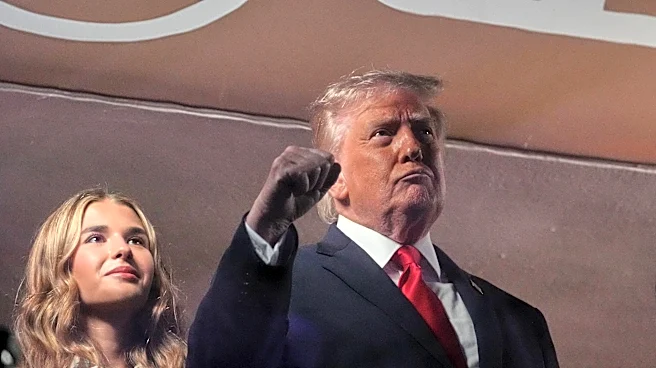
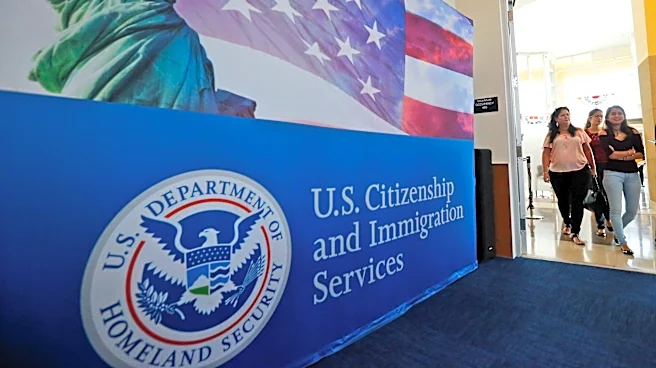
The Justice Department has announced its intention to revoke the citizenship of 17 individuals as part of the Trump administration's intensified denaturalization campaign. This move marks a significant step in the administration's efforts to target naturalized
citizens accused of fraudulently obtaining U.S. citizenship. The individuals in question are reportedly accused of various offenses, including fraud and sexual abuse of a minor. Denaturalization, the process of revoking citizenship from a naturalized U.S. citizen, is a rare legal action that can only be pursued in federal court. Historically, the U.S. has revoked citizenship for reasons ranging from fraudulent claims about personal information to political affiliations, such as during World War II when cases of German Americans with pro-Nazi sentiments were reviewed. Under President Trump's leadership, the administration has prioritized denaturalization, surpassing the number of cases filed during the Biden administration.
Why It's Important?
This development underscores the Trump administration's stringent immigration policies and its focus on enforcing legal pathways to citizenship. The denaturalization efforts highlight a broader agenda to scrutinize and potentially reverse the citizenship status of individuals deemed to have obtained it through fraudulent means. This move could have significant implications for naturalized citizens, creating a climate of uncertainty and fear among immigrant communities. It also raises questions about the balance between national security and individual rights, as well as the potential for legal challenges and public debate over the fairness and criteria of denaturalization processes. The administration's actions may influence future immigration policies and the legal landscape surrounding citizenship in the United States.
What's Next?
The Justice Department's actions are likely to face legal challenges, as denaturalization cases must be adjudicated in federal court. The individuals targeted may seek to contest the revocation of their citizenship, potentially leading to prolonged legal battles. Additionally, civil rights organizations and immigrant advocacy groups may respond with increased scrutiny and opposition, arguing for the protection of naturalized citizens' rights. The administration's continued focus on denaturalization could prompt legislative discussions on immigration reform and the criteria for citizenship revocation. As the situation unfolds, it will be important to monitor the legal outcomes of these cases and their impact on immigration policy and public opinion.