




What's Happening?
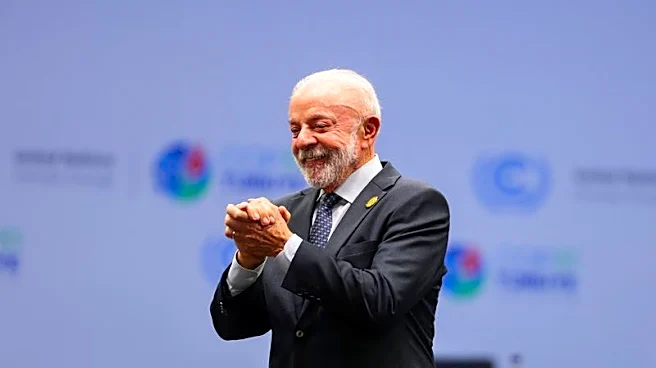
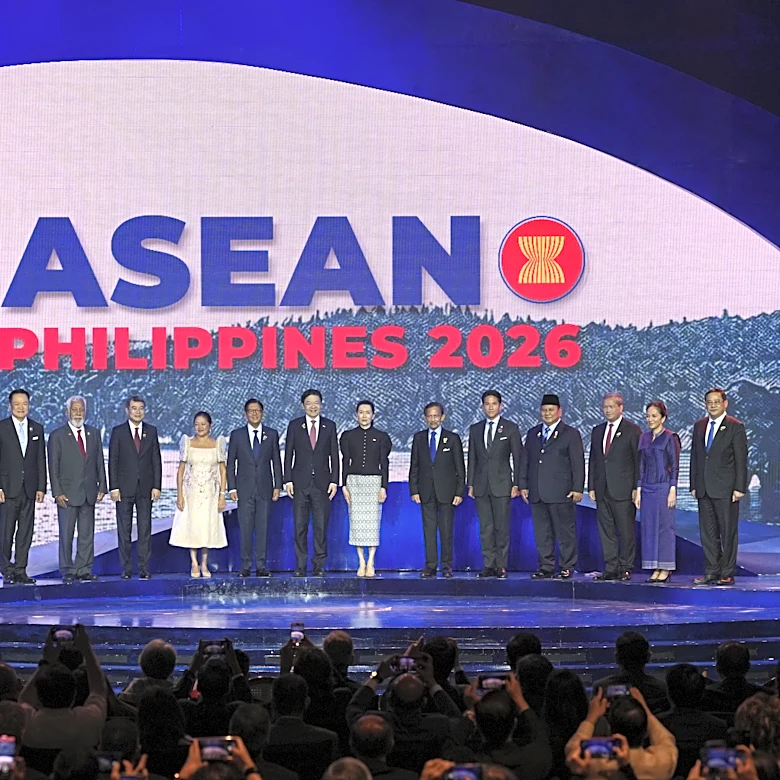
Philippine President Ferdinand Marcos Jr. and Brazilian President Luiz Inácio Lula da Silva have agreed to enhance cooperation across several key sectors, including trade, agriculture, energy, and defense. The agreement, reached in Manila, aims to expand
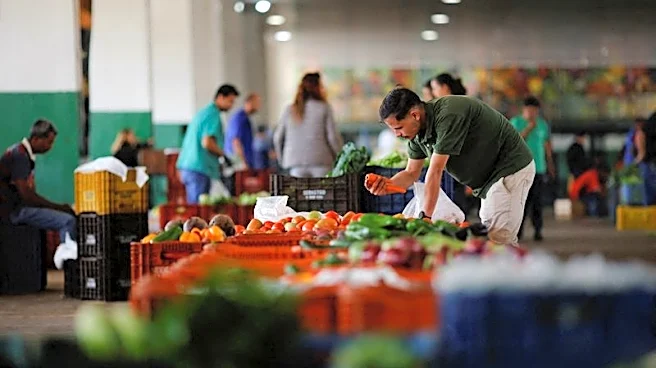
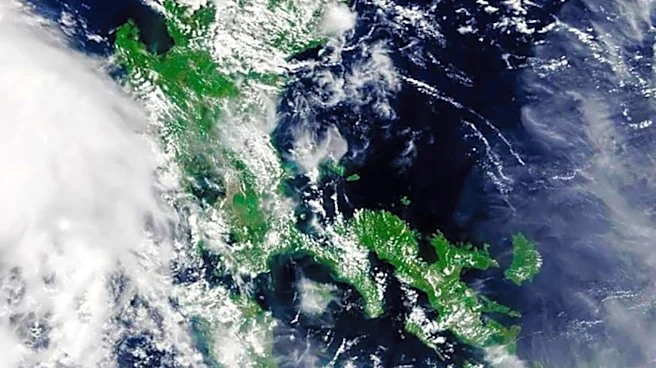
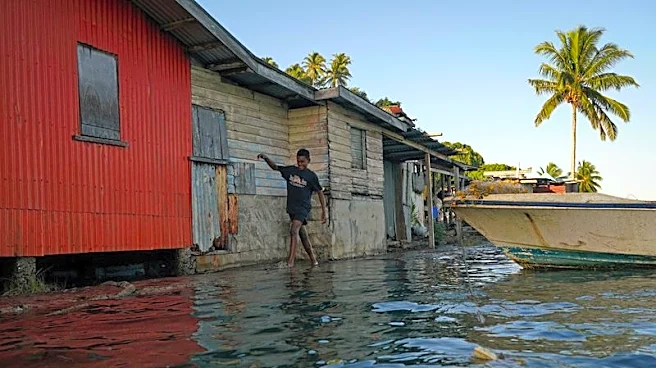
investment opportunities, create jobs, and bolster food and energy security for both nations. A significant focus of this collaboration is on agricultural technologies, with the Philippines seeking broader access to Brazilian expertise, particularly in livestock farming, veterinary medicine, and modern agricultural practices. This initiative is intended to contribute to the Philippines' food security and prepare the country for potential environmental challenges like a super El Niño. Discussions also covered renewable energy, biofuels, education, science and technology, and cooperation between law enforcement agencies, as reported by Anadolu Agency.
Why It's Important?
This deepened cooperation signifies a strategic move for both the Philippines and Brazil to strengthen their economies and address critical national needs. For the Philippines, gaining access to advanced Brazilian agricultural technologies and expertise in livestock farming and veterinary medicine could significantly enhance its food security and agricultural productivity. This is particularly crucial in the face of climate change and potential food supply disruptions. For Brazil, the agreement opens new avenues for trade and investment, allowing it to export its agricultural knowledge and technologies while potentially expanding its market reach. The focus on renewable energy and biofuels also aligns with global efforts towards sustainable development and energy independence, offering both countries opportunities to diversify their energy portfolios and reduce reliance on fossil fuels. The defense cooperation aspect could also lead to enhanced security capabilities and technological exchange.
What's Next?
Following the bilateral meeting, signed agreements aimed at expanding economic cooperation and technological exchange were presented. President Lula da Silva has extended an invitation to President Marcos Jr. to visit Brazil with a large business delegation, indicating a clear intention to explore further trade and investment opportunities. This visit, which was the first by a sitting Brazilian president to the Philippines, sets a precedent for continued high-level engagement. Future steps will likely involve the implementation of the agreed-upon initiatives, including specific programs for technology transfer in agriculture, joint ventures in renewable energy, and further discussions on defense industry collaboration. Both nations will work towards translating these agreements into tangible projects that benefit their respective populations and economies.
Beyond the Headlines
The collaboration between the Philippines and Brazil extends beyond immediate economic and security benefits, touching upon broader themes of South-South cooperation and climate resilience. By sharing agricultural technologies and expertise, particularly in livestock farming, the two nations are fostering a model of development that prioritizes self-sufficiency and adaptation to environmental challenges. This partnership could serve as an example for other developing nations seeking to enhance their food security and agricultural sustainability without solely relying on traditional Western partners. Furthermore, the emphasis on renewable energy and biofuels reflects a growing global recognition of the need to transition away from fossil fuels, highlighting a shared commitment to addressing climate change and promoting green technologies. The defense cooperation also underscores a trend towards diversified security partnerships in an increasingly complex geopolitical landscape.