





What's Happening?
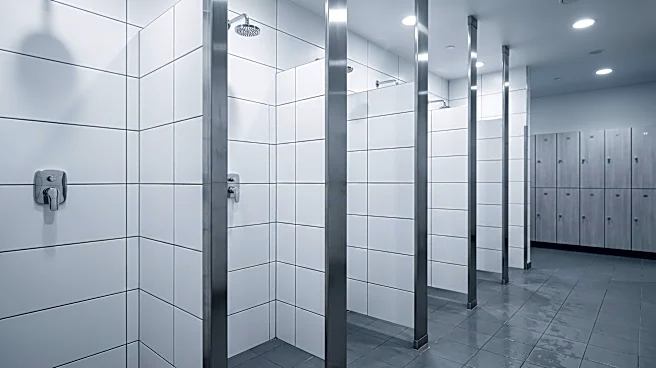
A hidden device was found in the shower area of a locker room at a Mass General Brigham research facility in Boston’s Longwood Medical Area on Wednesday morning. Boston police responded around 9:10 a.m. after individuals at the facility, located at 4
Blackfan Circle, reported discovering what they suspected was a hidden camera in the changing area. Police have taken possession of the device and are currently investigating who placed it there. Mass General Brigham confirmed that it immediately notified law enforcement, secured the affected area, and followed its established safety protocols. The space where the device was found is accessible only by badge and is restricted to researchers; patients and other staff do not have access to this specific area. While Mass General Brigham leases the facility for research, the building itself is owned by an outside company. The healthcare system has not yet confirmed the exact type of device found or whether it is indeed a camera, but is fully cooperating with the ongoing police investigation.
Why It's Important?
The discovery of a hidden device in a private area like a locker room raises significant concerns regarding privacy and security within research institutions and workplaces. For Mass General Brigham, a prominent healthcare and research organization, this incident could impact the trust of its employees and the broader scientific community. The fact that the area is badge-accessible and limited to researchers suggests a potential breach of internal security protocols or an act by an authorized individual, which could necessitate a review of access controls and surveillance policies. This event highlights the vulnerability of even restricted environments to unauthorized monitoring, prompting questions about the adequacy of current security measures in protecting personal privacy in professional settings. The outcome of the police investigation will be crucial in determining the nature of the device and the intent behind its placement, which could lead to policy changes across similar institutions to prevent future occurrences.
What's Next?
The Boston police investigation is ongoing to determine who placed the device and its exact nature. Mass General Brigham is fully cooperating with law enforcement, and the findings of this investigation will likely dictate the next steps for the institution. Depending on whether the device is confirmed to be a camera and the identity of the person responsible, there could be legal repercussions for the individual(s) involved. Mass General Brigham may also implement enhanced security measures, such as more frequent inspections of private areas or stricter access controls, to prevent similar incidents in the future. The incident could also prompt a broader review of privacy policies and security protocols within research facilities, potentially leading to new guidelines for safeguarding personal spaces in professional environments. The institution will likely communicate further details to its staff and the public as the investigation progresses.
Beyond the Headlines
This incident extends beyond a simple security breach, touching upon deeper issues of trust, surveillance, and the ethical responsibilities of institutions to protect their employees' privacy. In an era where digital surveillance technologies are increasingly accessible, the potential for misuse in private spaces becomes a significant concern. The discovery in a research lab locker room, a place typically considered secure and private, could erode the sense of safety and trust among researchers and staff. It also brings to light the challenges organizations face in balancing security needs with individual privacy rights. The incident may spark discussions about the psychological impact of potential surveillance on individuals, fostering an environment of unease or suspicion. Furthermore, it could influence the development of new legal precedents or corporate policies regarding privacy in the workplace, particularly concerning the use of hidden recording devices and the measures institutions must take to prevent such intrusions.