







What's Happening?
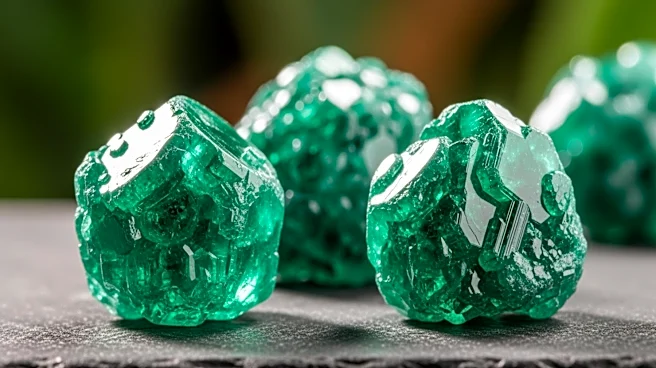
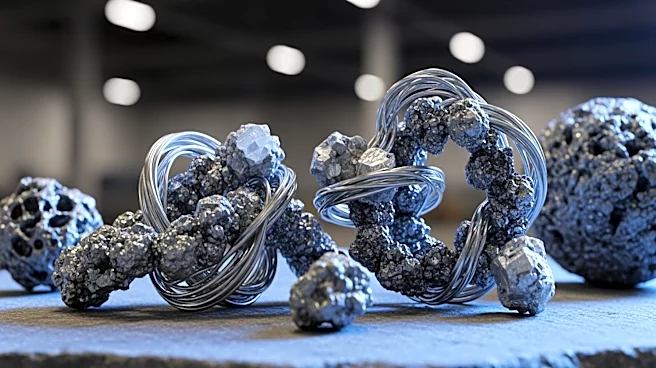
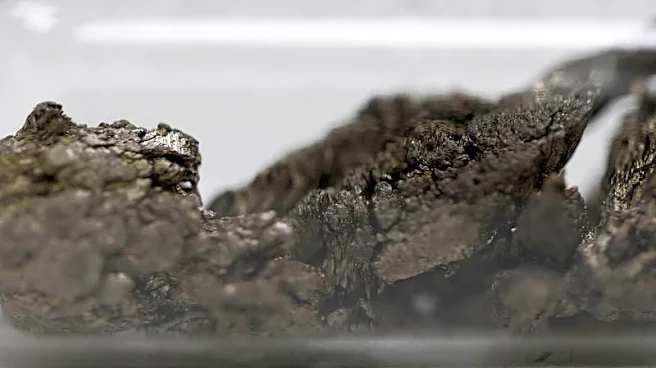
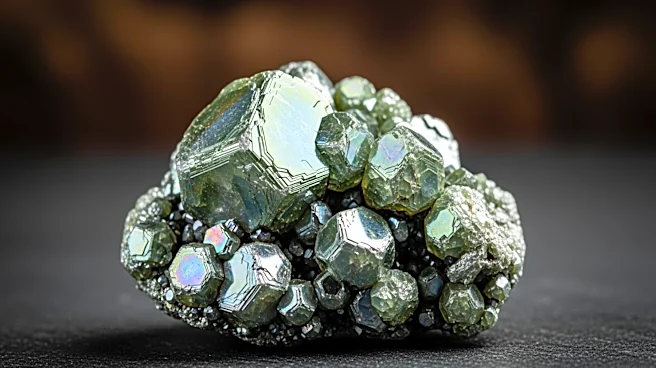
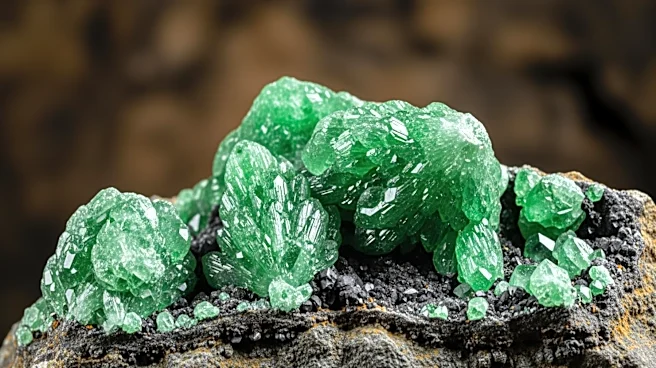
Brazil is experiencing a surge in interest for its rare earth metal reserves, which are the second largest in the world after China. The demand for these metals, crucial for the production of electric vehicles, artificial intelligence data centers, and robotics,
has doubled since 2015 and is expected to grow by over 30% by 2030. This has led to a significant increase in mining applications in Brazil, with 2,758 projects currently submitted to the country's mining agency. Companies like Meteoric Resources from Australia and USA Rare Earths are investing heavily in Brazilian mining projects. The latter recently acquired the only active rare earth mine in Brazil for $2.8 billion. Despite Brazil's rich reserves, the country has primarily focused on exporting raw materials without further processing, unlike China, which dominates the refining and production of permanent magnets.
Why It's Important?
The development of Brazil's rare earth metal industry is significant for several reasons. Firstly, it offers an opportunity for Brazil to become a major player in the global supply chain of critical materials needed for emerging technologies. This could reduce global dependency on China, which currently holds a near-monopoly on the refining and production of these metals. For the U.S., securing a stable supply of rare earth elements is crucial for national security and technological advancement, especially given past supply disruptions due to trade tensions with China. Additionally, the involvement of international companies in Brazil's mining sector could lead to economic growth and job creation within the country.
What's Next?
Brazil is looking to build its own production chains to add value to its raw materials, a move that requires long-term planning and investment. The country has a geological advantage with its ionic clay soils, which are easier to exploit. However, transitioning from raw material exportation to refining and production will take time. The Brazilian government and international investors will need to collaborate on infrastructure development and technology transfer to achieve this goal. The success of these efforts could position Brazil as a competitive alternative to China in the rare earth market.
Beyond the Headlines
The expansion of Brazil's rare earth industry could have broader implications for global trade dynamics and environmental policies. As countries seek to secure their supply chains for critical minerals, Brazil's role could shift from a raw material exporter to a key player in the global market. This transition could also influence environmental policies, as the mining and processing of rare earth metals require significant energy and water resources. Brazil's use of renewable energy in mining operations could set a precedent for sustainable practices in the industry.