





What's Happening?
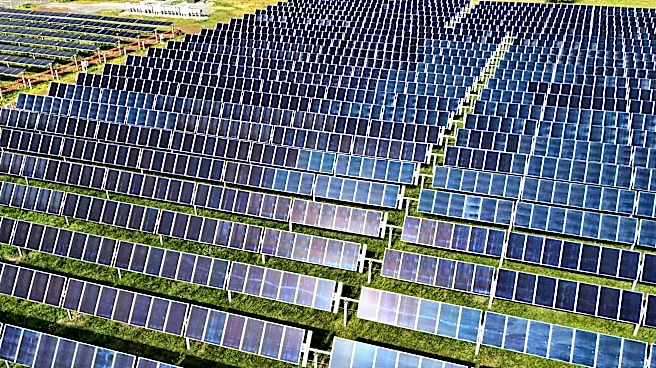
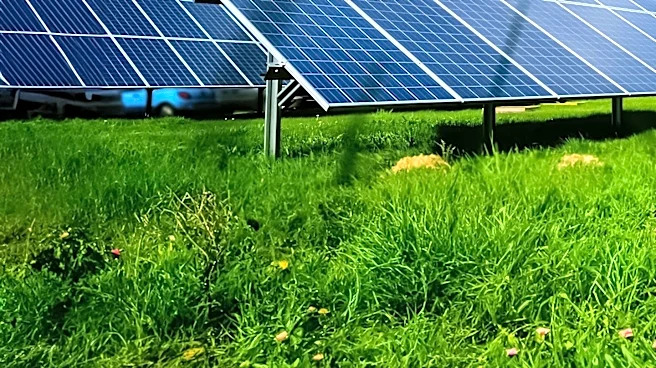
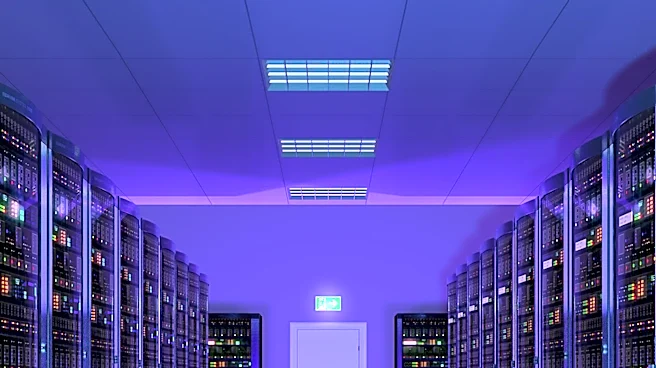
The state of Victoria, Australia, has introduced new regulations requiring all new data centers to secure their own renewable energy supply and storage. Announced by Premier Ben Carroll, these rules are part of a broader Sustainable Data Centre Action
Plan. In addition to renewable energy mandates, the proposed regulations stipulate that data centers must bear the costs of connection and network upgrades, and utilize recycled or non-drinking water for cooling purposes. The plan also prohibits the construction of data centers in residential zones, near schools and childcare centers, and in rural areas lacking adequate infrastructure. Furthermore, data center operators will be responsible for managing traffic during both construction and operation phases. These measures come in response to the rapidly increasing energy demand from data centers in Victoria and growing community concerns across Australia regarding the strain on land, water, and power resources. Currently, data centers in Victoria use less than 1% of the state's drinking water for cooling.
Why It's Important?
These proposed regulations in Victoria are significant as they represent a proactive governmental approach to managing the environmental impact of the rapidly expanding data center industry. By mandating self-sufficiency in renewable energy and the use of non-drinking water for cooling, Victoria aims to mitigate the sector's carbon footprint and conserve vital resources. This could set a precedent for other regions grappling with similar challenges, particularly as artificial intelligence (AI) growth fuels increased data center development. The rules also address community concerns by restricting data center locations, potentially reducing local infrastructure strain and environmental impact in sensitive areas. For data center operators like NEXTDC, AirTrunk, and CDC, these regulations will necessitate substantial investments in renewable energy infrastructure and water management systems, potentially increasing operational costs but also fostering innovation in sustainable practices. The move highlights a growing global trend where governments are balancing technological advancement with environmental stewardship.
What's Next?
The proposed rules are part of Victoria's Sustainable Data Centre Action Plan, which outlines expectations for data center development across planning, water, environment, and energy sectors. While the Australian government previously indicated it would set restrictions on data center resource use from 2027, Victoria's immediate action suggests a faster timeline for implementation at the state level. Data center operators in Victoria will need to adapt their development strategies to comply with these stringent requirements, focusing on integrating renewable energy solutions and advanced water recycling technologies. The regulations are expected to influence future investment decisions in the region, potentially attracting companies committed to sustainable practices. The success and impact of Victoria's plan could also serve as a model for other Australian states and international jurisdictions facing similar pressures from data center expansion and the need for sustainable development.
Beyond the Headlines
The Victorian government's initiative extends beyond immediate environmental concerns, touching upon broader issues of digital sovereignty and sustainable urban planning. By restricting data center locations and mandating self-sufficiency in resources, the policy implicitly acknowledges the critical infrastructure status of data centers and seeks to integrate them more responsibly into the urban and environmental fabric. This approach could lead to a re-evaluation of how essential digital infrastructure is developed and managed globally, pushing for greater accountability from tech companies regarding their environmental footprint. The emphasis on renewable energy and water conservation also aligns with global efforts to combat climate change, positioning Victoria as a leader in sustainable technology development. This could foster a competitive advantage for the region in attracting green tech investments and skilled labor, while also promoting a more resilient and environmentally conscious digital economy.