





What's Happening?
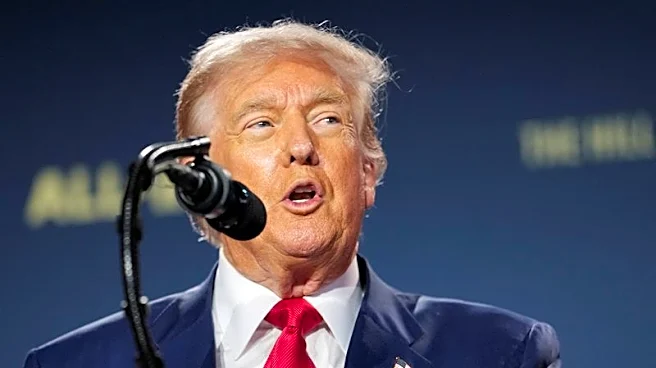
President Trump has circulated a draft peace agreement for the conflict with Iran among allies, including Israel, as both sides attempt to prevent further breaches of the ceasefire. The draft agreement proposes opening the Strait of Hormuz to commercial
shipping, lifting the U.S. blockade of Iranian ports, and granting Iran access to $12 billion in frozen assets. The agreement aims to initiate 60-day negotiations on Iran's nuclear program, including discussions on uranium enrichment and supervision by the International Atomic Energy Agency. However, the agreement's scope is contentious, particularly for Israel, as it defers firm nuclear commitments from Iran.
Why It's Important?
The draft agreement represents a significant diplomatic effort to resolve the conflict with Iran and stabilize the region. The proposal to open the Strait of Hormuz is crucial for global oil markets and economic stability. However, the agreement's success depends on the willingness of both sides to compromise and adhere to the terms. The involvement of international stakeholders, such as China and the UN, highlights the global implications of the conflict and the importance of multilateral diplomacy. The outcome of these negotiations could influence future U.S. foreign policy and regional dynamics.
What's Next?
The next steps involve finalizing the draft agreement and securing approval from key stakeholders, including Iran and its allies. The international community will closely monitor the negotiations, with potential reactions from regional powers influencing the process. The involvement of countries like China and Pakistan in mediating the agreement underscores the complexity of the negotiations and the need for a coordinated international response. The resolution of the conflict could set a precedent for future diplomatic engagements with Iran and other nations in the region.