


What's Happening?
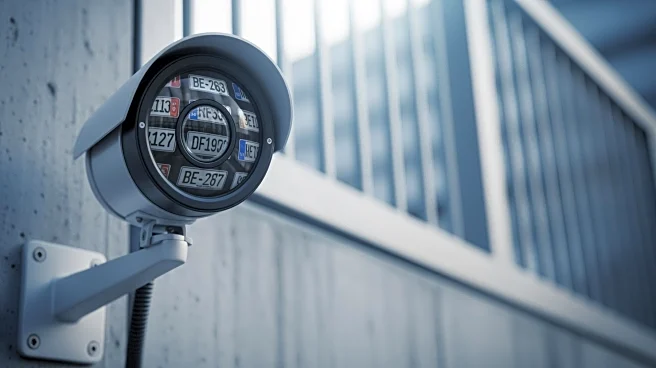
A network of hidden surveillance cameras has been discovered along California's border roads, raising significant privacy concerns. James Cordero, a volunteer with the nonprofit Border Angels, uncovered these cameras, which are part of a system that logs
license plates of vehicles passing through remote areas between San Diego and the Arizona state line. These cameras, hidden in trailers and construction barrels, were installed after California granted permits to federal agencies like the Border Patrol and the DEA. Privacy advocates argue that this surveillance program bypasses California's legal protections and intrudes on the privacy of residents who have committed no crimes. The Electronic Frontier Foundation (EFF) and other civil rights groups have called for the removal of these devices, citing their potential misuse and lack of transparency.
Why It's Important?
The installation of these surveillance cameras has sparked a debate over privacy and government overreach. Critics argue that the program conflicts with California's state laws designed to protect citizens' privacy and prevent unwarranted data collection. The cameras are said to primarily collect data on local residents rather than targeting criminals, raising concerns about civil liberties. This situation highlights the tension between state and federal authorities, especially in regions with significant immigration enforcement activities. The broader implications include potential misuse of collected data and the erosion of trust between communities and law enforcement agencies.
What's Next?
The EFF and other advocacy groups have urged California's government to revoke permits for these surveillance devices. The state's response could set a precedent for how privacy laws are enforced in the face of federal surveillance initiatives. If the state decides to act, it may lead to legal challenges or policy changes regarding the use of surveillance technology. Additionally, increased public awareness and pressure could influence future legislation aimed at strengthening privacy protections.
Beyond the Headlines
The discovery of these surveillance cameras underscores a broader issue of how technology is used in law enforcement and its impact on civil liberties. The lack of transparency and potential for data misuse could lead to a chilling effect on community activities, particularly for humanitarian groups working near the border. This situation also raises ethical questions about the balance between security and privacy, and the role of state versus federal authority in protecting citizens' rights.