






What's Happening?
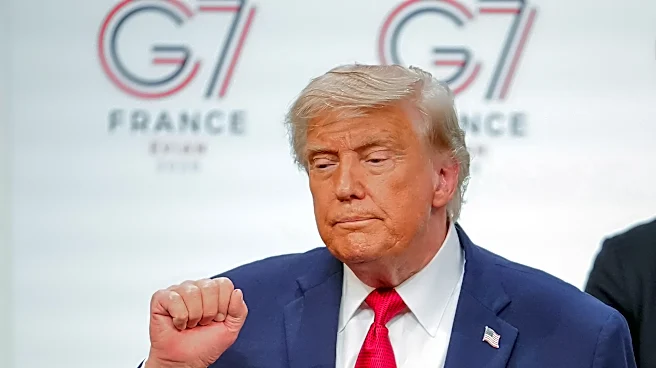
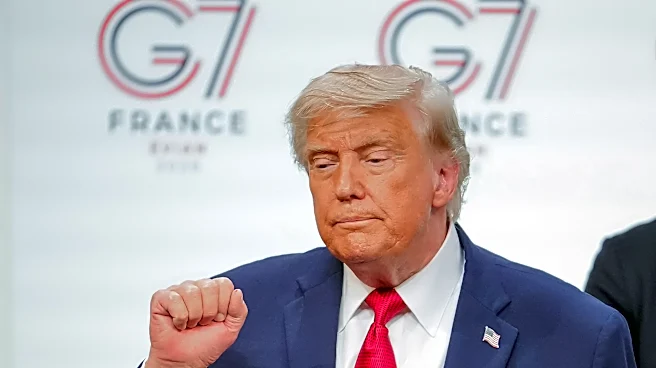
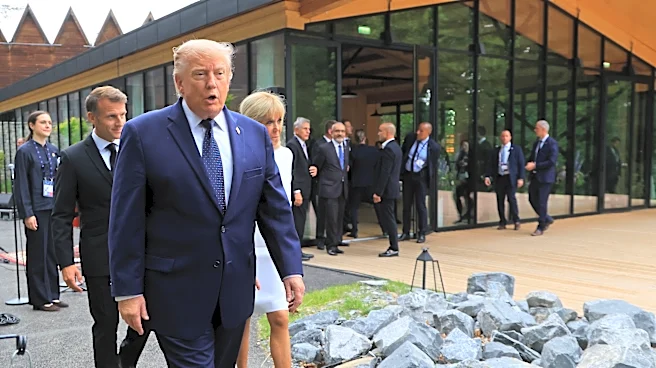
A growing number of foreign leaders have publicly criticized President Trump for his provocative remarks and policy decisions. Italian Prime Minister Giorgia Meloni recently rebuked Trump after he claimed she begged for a photo with him, highlighting
a pattern of world leaders speaking out against Trump's actions. French President Emmanuel Macron and British Prime Minister Keir Starmer have also expressed discontent with Trump's handling of international issues, such as the Iran war and NATO relations. Macron criticized Trump's comments about his wife and urged him to be more careful with his statements regarding the Iran conflict. Starmer condemned Trump's remarks about NATO troops in Afghanistan and his threats against Iran. These criticisms reflect a broader trend of allies challenging Trump's approach to foreign policy and his declining political influence.
Why It's Important?
The criticisms from foreign leaders underscore the growing tensions between the U.S. and its allies under President Trump's leadership. These public rebukes highlight the potential diplomatic rifts that could impact international relations and cooperation on global issues. The dissatisfaction with Trump's handling of the Iran war and his provocative statements could lead to strained alliances and hinder collaborative efforts on security and economic matters. As allies become more vocal in their opposition, it may signal a shift in how they engage with the U.S., potentially affecting trade, military cooperation, and geopolitical strategies. The international community's response to Trump's actions could influence future U.S. foreign policy and its role on the global stage.
What's Next?
As foreign leaders continue to voice their concerns, it is likely that diplomatic tensions will persist. The U.S. may face increased pressure to address these criticisms and reassess its foreign policy strategies. Allies may seek to strengthen their own alliances and reduce reliance on the U.S., potentially leading to a realignment of global power dynamics. The upcoming international summits and diplomatic meetings will be critical in determining how these relationships evolve and whether any resolutions can be reached. The U.S. administration may need to engage in more diplomatic dialogue to mend ties and address the concerns raised by its allies.