





What's Happening?
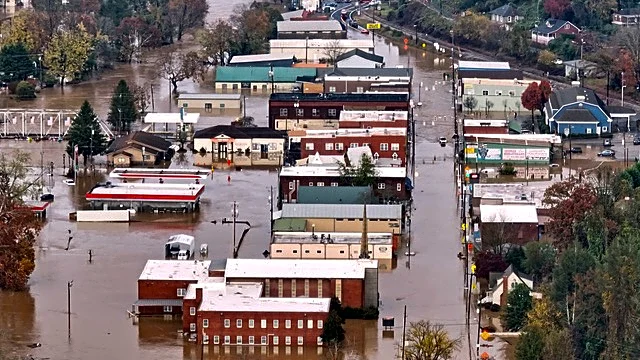
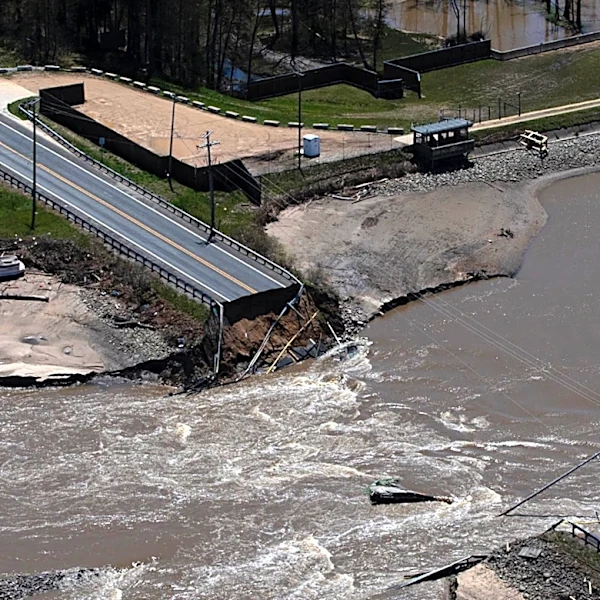
Heavy thunderstorms caused record-breaking flash flooding overnight in McCaysville, Georgia, and Copperhill, Tennessee, twin towns situated on the state border. The Toccoa River, which flows between the two communities, swelled to a record high of 18
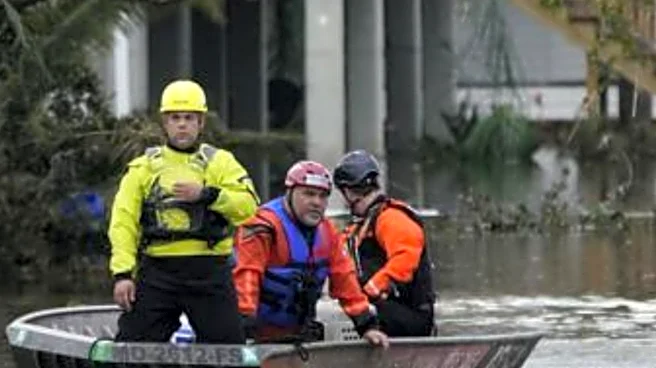
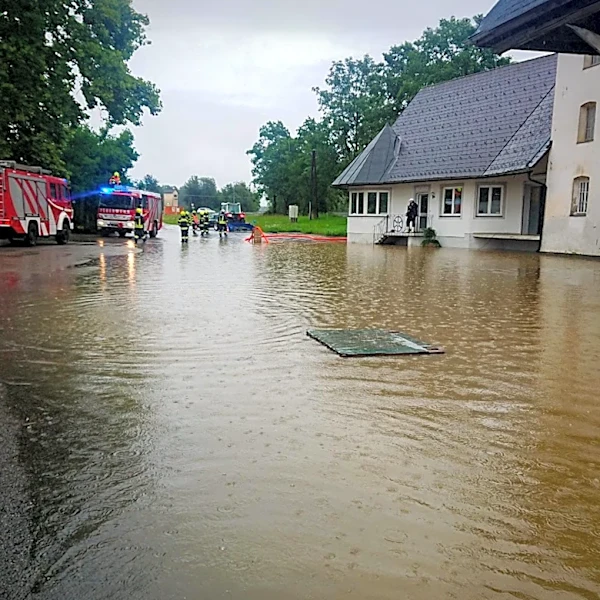
feet, exceeding the catastrophic flood level by 2 feet. This deluge, with some areas receiving 8 to 10 inches of rain, submerged buildings up to their rooflines in parts of downtown McCaysville and Copperhill. Emergency responders conducted at least 57 swift water rescues in Georgia and 68 in Tennessee, evacuating dozens of residents from homes and businesses. McCaysville Police Chief Michael Earley reported that one police car was swept away by the floodwaters. The flooding also led to power and cellphone outages, the shutdown of McCaysville's water treatment plant, and a boil water advisory. This event marks the second significant flood for McCaysville in three months, with the downtown area having been inundated in August as well.
Why It's Important?
The severe flooding in these border towns highlights the immediate and devastating impact of extreme weather events on small communities. The destruction of businesses, homes, and critical infrastructure, such as the police station and water treatment plant, poses significant economic and social challenges for residents. For business owners like Hugh Rogers of McCaysville Drug & Gun, who lost hundreds of thousands of dollars in inventory, the recovery process will be extensive and costly. The repeated nature of these floods, with McCaysville experiencing two major events in a short period, raises concerns about long-term resilience and the potential need for enhanced flood mitigation strategies. The disruption of essential services like water treatment and emergency communications further underscores the vulnerability of these areas to natural disasters, impacting public health and safety.
What's Next?
As floodwaters recede, residents and emergency crews face a substantial cleanup and recovery effort. Businesses and homes will require extensive repairs, and the affected communities will need to assess the full extent of the damage to infrastructure. The boil water advisory in McCaysville will remain in effect until the water treatment plant can be fully restored and water quality is deemed safe. Local authorities will likely evaluate current flood preparedness and response protocols, especially given the recent history of repeated flooding. There may be discussions about federal or state aid to assist with recovery and rebuilding efforts. The Tennessee Valley Authority (TVA) will continue to manage water levels at its hydroelectric dams on the Ocoee River, which the Toccoa River flows into, to mitigate further risks downstream.
Beyond the Headlines
The recurring flood events in McCaysville and Copperhill may signal broader implications related to changing weather patterns and climate resilience in mountainous regions. The intensity and frequency of such rainfall events could prompt a reevaluation of urban planning, zoning regulations, and infrastructure development in flood-prone areas. Communities might need to consider more robust flood defenses, early warning systems, and evacuation plans. The psychological toll on residents who have experienced multiple devastating floods in a short timeframe is also a significant, often overlooked, aspect. This situation could spark conversations about the economic viability of rebuilding in high-risk zones and the potential for long-term population displacement if such events become more common or severe.