
What's Happening?
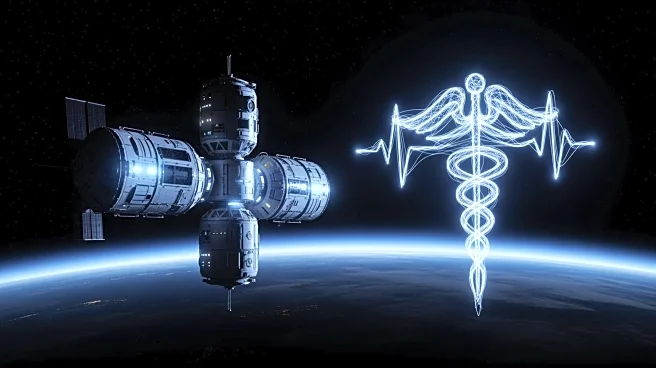
NASA has decided to return a four-person crew from the International Space Station (ISS) earlier than planned due to a serious medical condition affecting one of the astronauts. The mission, known as Crew-11,
was initially scheduled to last six months, with the crew returning next month. However, the medical issue has prompted NASA to cut the mission short by a month. The agency has not disclosed the identity of the affected astronaut or the specific medical condition, citing privacy concerns, but confirmed that the individual is in stable condition. This decision marks the first time in NASA's history that a mission has been ended early due to a medical issue. The crew, which includes NASA astronauts Zena Cardman and Mike Fincke, Japanese astronaut Kimiya Yui, and Russian cosmonaut Oleg Platonov, will be returning to Earth soon. NASA officials have stated that this is not an emergency evacuation and emphasized their commitment to astronaut health.
Why It's Important?
The early return of the Crew-11 mission underscores the challenges and risks associated with long-duration space missions. The decision to prioritize the health of astronauts highlights NASA's commitment to safety, but it also raises questions about the potential impact on ongoing scientific experiments and maintenance tasks aboard the ISS. The reduction in crew size may lead to delays in certain operations, as the remaining astronauts will need to focus on essential station maintenance until the next crew arrives. This incident also brings attention to the importance of medical preparedness and the ability to handle health issues in space, which is crucial for future missions, especially those planned for deeper space exploration.
What's Next?
NASA is expected to provide an update within 48 hours regarding the timeline for the crew's return. The agency will likely assess the impact of the early return on the ISS's operations and adjust plans for upcoming missions accordingly. The next crew is scheduled to arrive next month, which should help resume normal operations and continue scientific research. NASA's handling of this situation may also influence future protocols for medical emergencies in space, potentially leading to enhanced medical support systems and procedures for astronauts.