

What's Happening?
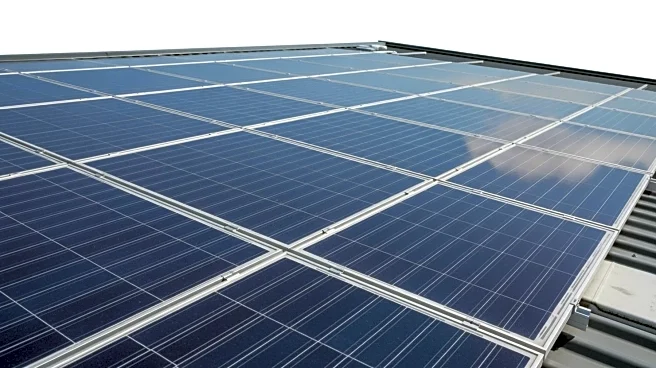
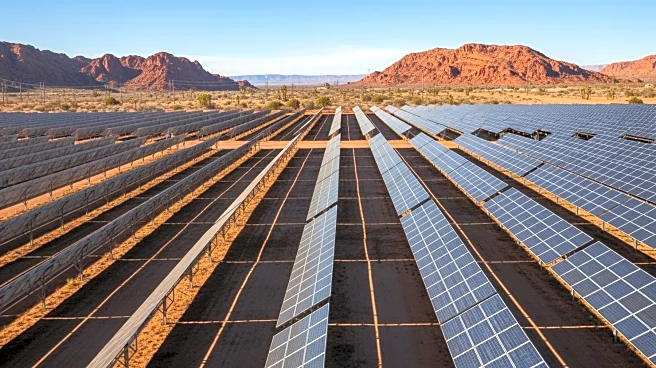
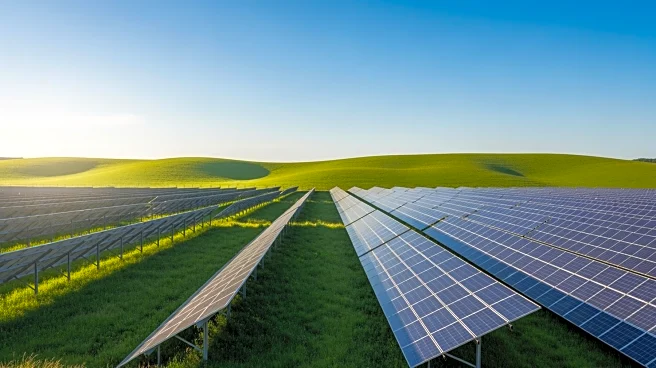
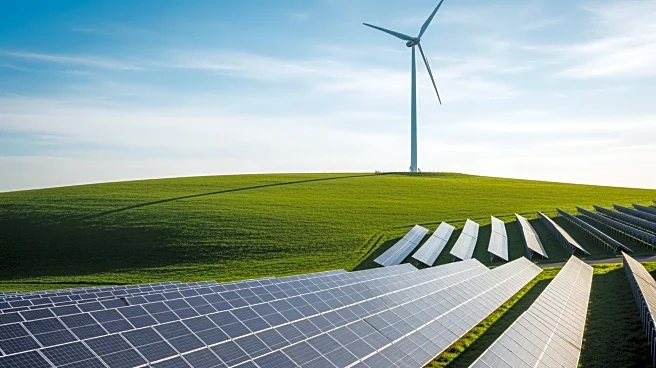
Oʻahu is focusing on expanding its renewable energy capacity, with a particular emphasis on onshore wind as a complement to solar power. The island requires approximately 6,000 GWh of electricity annually, and while solar energy is the largest renewable resource,
wind energy is being considered to balance the energy supply, especially during non-solar hours. Existing onshore wind farms like Kawailoa Wind, Kahuku Wind, and Nā Pua Makani provide about 120 MW of capacity, with potential for repowering to increase output. The island's wind resources are shaped by the trade wind climate, offering a steady flow of air that can be harnessed for energy. However, onshore wind development faces constraints due to environmental sensitivities and community opposition, particularly in scenic areas. Despite these challenges, modest expansions in onshore wind capacity are seen as feasible and beneficial for diversifying Oʻahu's energy mix.
Why It's Important?
The expansion of onshore wind energy on Oʻahu is significant as it contributes to the island's goal of achieving a more sustainable and resilient energy system. By complementing solar power, wind energy can help reduce reliance on fossil fuels and enhance energy security. The potential repowering of existing wind farms with modern turbines could increase energy output without expanding the physical footprint, making it a cost-effective solution. This development is crucial for meeting the island's energy demands while minimizing environmental impact. Additionally, the focus on renewable energy aligns with broader efforts to combat climate change and transition to a clean energy economy, setting an example for other regions with similar geographic and environmental challenges.
What's Next?
Oʻahu's energy strategy will likely continue to prioritize the integration of renewable resources, with onshore wind playing a supportive role. Future steps may include repowering existing wind farms and exploring additional sites for development, while addressing environmental and community concerns. The island may also consider the potential of floating offshore wind, although economic and logistical challenges currently limit its feasibility. Policymakers and energy planners will need to balance the expansion of renewable energy with the preservation of Oʻahu's natural landscapes and biodiversity. Continued investment in solar, battery storage, and demand management will be essential to achieving a reliable and sustainable energy system.
Beyond the Headlines
The development of renewable energy on Oʻahu has broader implications for energy policy and environmental conservation. The island's approach to balancing energy needs with ecological preservation could serve as a model for other regions facing similar challenges. The integration of wind and solar energy highlights the importance of diversifying energy sources to enhance grid resilience and reduce carbon emissions. Additionally, the focus on repowering existing infrastructure rather than expanding into new areas reflects a commitment to sustainable development. This strategy not only supports energy independence but also contributes to global efforts to mitigate climate change.