






What's Happening?
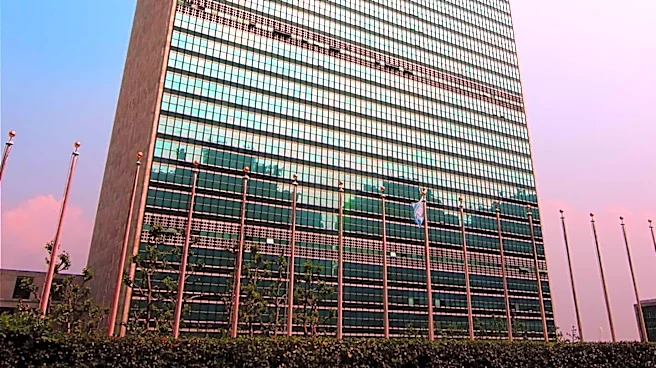
The United States, represented by Deputy Representative Tammy Bruce, presented its new national Counterterrorism Strategy at the UN Security Council. The strategy identifies three priority threats: narco-terrorists and transnational gangs, legacy Islamist
terrorists, and violent left-wing extremists. The U.S. emphasized the ongoing threat posed by ISIL, al-Qa'ida, and their affiliates, particularly in Africa and Afghanistan. The strategy also addresses the growing exploitation of emerging technologies by terrorist groups and highlights the importance of international cooperation in disrupting terrorist activities and financing.
Why It's Important?
The U.S. Counterterrorism Strategy reflects the evolving nature of global security threats and the need for comprehensive approaches to address them. The focus on narco-terrorists and transnational gangs highlights the intersection of organized crime and terrorism, which poses significant challenges to national and international security. The emphasis on emerging technologies underscores the need for updated governance frameworks to counter the evolving tactics of terrorist groups. The strategy's call for international cooperation aligns with broader efforts to enhance global security and stability.
What's Next?
The U.S. is expected to continue its active participation in international counter-terrorism initiatives, focusing on disrupting terrorist activities and financing. The strategy's emphasis on emerging technologies will require ongoing cooperation with international partners to develop effective governance frameworks. The U.S. will likely prioritize efforts to strengthen information sharing and collaboration with other countries to address the complex challenges posed by terrorist groups and transnational criminal organizations.