








What's Happening?
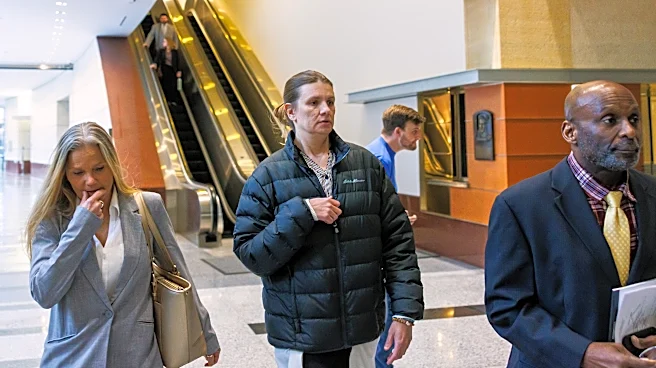
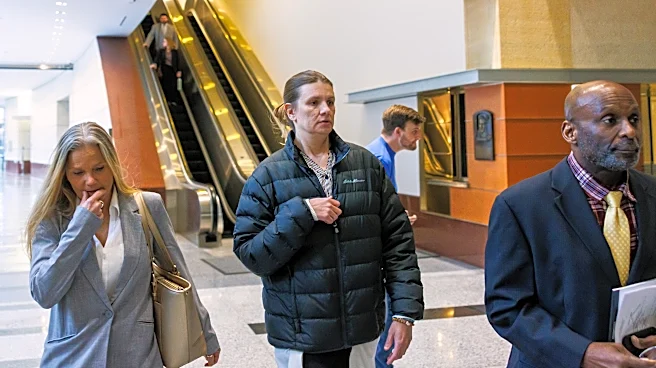
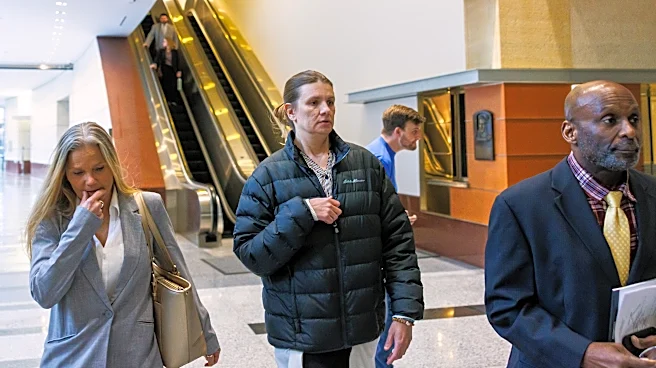
Aimee Bock, the leader of the Minnesota nonprofit Feeding Our Future, has been sentenced to over 41 years in prison for her role in a $250 million COVID-19 pandemic relief fraud scheme. The scheme involved exploiting a federal child nutrition program
by creating fake food distribution sites and claiming to serve meals to children. Bock, along with her co-defendant Salim Ahmed Said, was found guilty of conspiracy, wire fraud, and bribery. The fraud was part of a larger operation involving 70 individuals, with many already pleading guilty. The funds, intended for child nutrition, were instead used for personal luxury purchases.
Why It's Important?
This case underscores the critical need for robust oversight of federal relief programs, especially those expanded during emergencies like the COVID-19 pandemic. The misuse of funds highlights systemic vulnerabilities that can be exploited, leading to significant financial losses and undermining public trust. The sentencing of Bock and others involved serves as a deterrent to potential fraudsters and emphasizes the importance of accountability in nonprofit management. The case also raises questions about the effectiveness of current regulatory frameworks in preventing such large-scale fraud.
What's Next?
The sentencing may lead to increased scrutiny and potential reforms in how federal relief funds are distributed and monitored. Other defendants in the case are expected to face legal proceedings, which could result in further convictions and sentences. The scandal may prompt government agencies and nonprofits to implement stricter compliance measures to prevent future fraud. Additionally, the case could influence public policy discussions on improving transparency and accountability in the nonprofit sector.