







What's Happening?
The Denver Post newsroom is gearing up for comprehensive coverage of the 2026 election, focusing on delivering real-time results and in-depth analysis from Colorado and across the nation. The publication will source its results directly from the Secretary
of State’s office, with reporters and photographers deployed to cover candidates on the ground. Editors and the digital team will meticulously verify all numbers to ensure accuracy. The Denver Post will also rely on the Associated Press for race calls. Executive Editor Lee Ann Colacioppo highlighted the importance of local news in providing unique candidate interviews and analysis, distinguishing their coverage from AI-generated content. The newsroom anticipates that winners for some contests may not be clear on election night, extending their coverage into the following week.
Why It's Important?
This extensive election coverage by The Denver Post underscores the critical role of local journalism in a democratic process. By committing to on-the-ground reporting, direct data verification, and in-depth analysis, the publication aims to provide its readership with reliable and nuanced information, which is particularly vital in an era where misinformation can proliferate. The emphasis on human-led reporting over AI-generated content highlights a commitment to journalistic integrity and the unique value that local reporters bring to understanding complex political landscapes. This effort is crucial for informing Colorado voters about state and national races, ballot propositions, and local measures, thereby fostering an engaged and well-informed electorate. The potential for delayed results in some contests further stresses the need for continuous, trustworthy reporting.
What's Next?
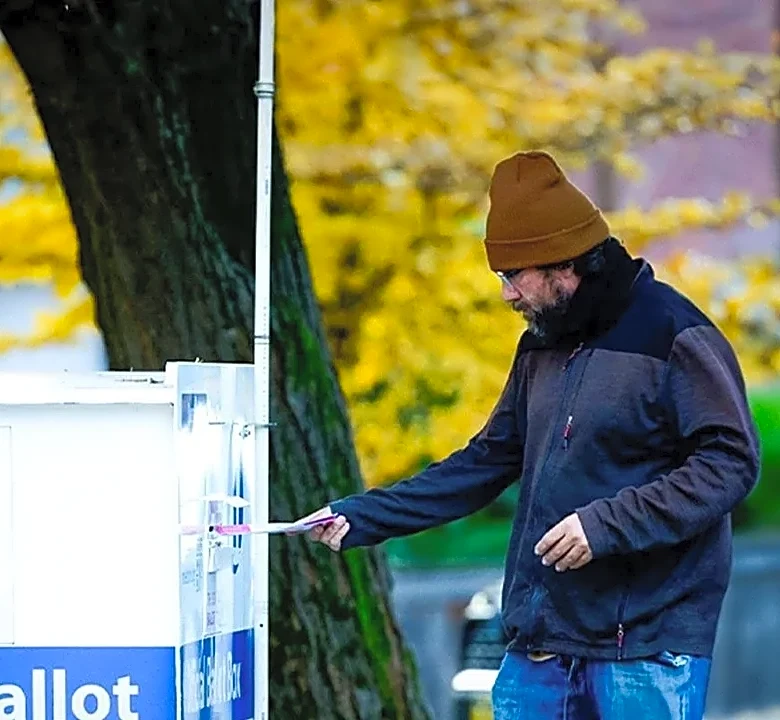
The Denver Post will provide continuous updates on election night, November 3, after polls close in Colorado at 7 p.m. MST. Their election results pages will update regularly with returns from the Colorado Secretary of State. Reporters will frequently update stories on key races, including governor, attorney general, secretary of state, House and Senate contests, and the Denver City Council’s vacancy election. Coverage will also extend to ballot propositions and amendments concerning immigration, crime, transgender youth, and natural gas, as well as local ballot measures in Denver, Aurora, and Douglas County, and school mill levy overrides. On the morning of November 4, the publication will release analysis on Colorado's voting patterns and the status of uncalled races, with results pages continuing to update until all ballots are counted. Readers can access this coverage through their website, app, breaking news emails, and the 'The Spot' politics newsletter.
Beyond the Headlines
The Denver Post's explicit rejection of AI-generated results for election coverage signals a broader conversation within the media industry about the role of artificial intelligence in journalism, particularly concerning sensitive and critical events like elections. This stance reinforces the value of human oversight, critical thinking, and ethical considerations in reporting, which AI currently cannot replicate. It also highlights the ongoing challenge for news organizations to maintain trust and credibility in a rapidly evolving digital landscape. By emphasizing the human element—reporters on the ground, editors double-checking numbers—The Denver Post is not only providing election results but also making a statement about the enduring importance of traditional journalistic practices in an increasingly automated world. This approach could influence how other local news outlets position themselves regarding AI integration in their reporting.