





What's Happening?
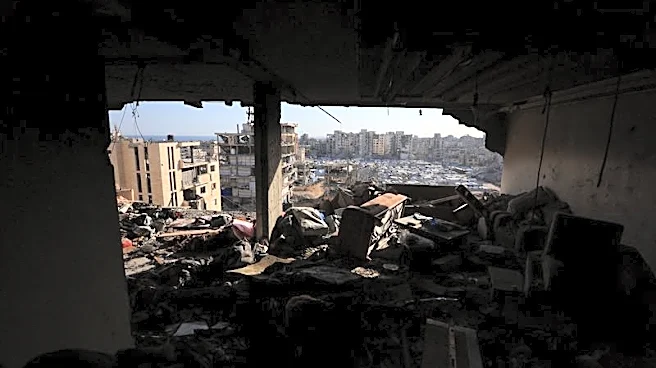
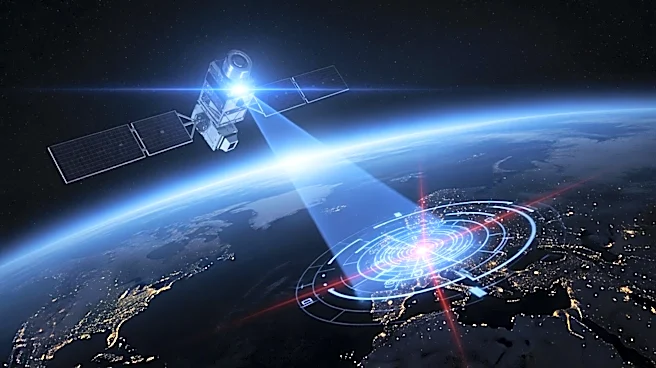
President Trump announced that the Space Force is employing 'very powerful cameras' to monitor Iran's destroyed nuclear sites. This surveillance aims to detect any attempts by Iran to access enriched uranium buried deep underground. Trump emphasized that the U.S.
has comprehensive coverage of the area, ensuring that any movement would be detected. Despite the capability to retrieve the material, Trump dismissed the need for immediate action, citing the complexity and risks involved in such an operation. The announcement follows a report suggesting Iran's increased risk of developing nuclear weapons due to the inability of nuclear regulators to inspect the sites.
Why It's Important?
The use of Space Force technology to monitor Iran's nuclear sites underscores the strategic importance of surveillance in national security. This development highlights the U.S.'s commitment to preventing nuclear proliferation, particularly in volatile regions. The decision not to retrieve the uranium reflects a cautious approach, balancing the potential benefits against the risks of military engagement. This situation also illustrates the ongoing geopolitical tensions between the U.S. and Iran, with implications for international diplomacy and regional stability.
What's Next?
Future actions may involve diplomatic negotiations to address the concerns over Iran's nuclear capabilities. The U.S. might also consider enhancing its surveillance and intelligence operations to ensure continued monitoring. The international community, including the U.N., may seek to re-establish inspection protocols to mitigate the risks of nuclear proliferation. The situation could influence U.S. foreign policy and defense strategies, particularly in the Middle East.